Swimming is one of the most rewarding activities for fitness, recreation, and relaxation. Whether you’re a competitive swimmer, casual pool-goer, or open water enthusiast, the right pair of swim goggles can transform your underwater experience from frustrating to fantastic.

Choosing the perfect swim goggles isn’t just about protecting your eyes—it’s about enhancing visibility, ensuring comfort during long sessions, and boosting your confidence in the water. With countless options available, from racing goggles to recreational models, understanding what features matter most will help you make an informed decision that suits your specific swimming needs.
🏊 Why Quality Swim Goggles Matter More Than You Think
Many swimmers underestimate the importance of investing in proper swim goggles. The right pair does far more than keep water out of your eyes. Quality goggles protect against chlorine irritation, UV rays in outdoor settings, and help maintain clear vision underwater, which is essential for navigation and safety.
Poor-quality goggles can lead to uncomfortable pressure around the eyes, constant leaking, fogging that disrupts your swimming rhythm, and even headaches from improper fit. These issues can discourage you from swimming regularly or prevent you from reaching your performance goals.
Professional swimmers understand that goggles are as essential as their swimsuit. The difference between a good swim and a great one often comes down to having equipment that works seamlessly with your body, allowing you to focus entirely on technique and enjoyment rather than constantly adjusting uncomfortable eyewear.
Understanding Different Types of Swim Goggles
The swimming goggles market offers various designs, each engineered for specific purposes and swimming environments. Knowing the differences will help narrow down your choices significantly.
Racing and Competition Goggles
These goggles feature a streamlined, low-profile design that minimizes drag through the water. They typically have smaller eye cups that sit closer to your face and thinner straps. Racing goggles prioritize speed and hydrodynamics over comfort during extended wear, making them ideal for competitive swimmers and those focused on performance training.
The tight seal of racing goggles can feel intense initially, but this design prevents water entry even during flip turns and powerful starts. However, they’re not recommended for casual swimming sessions lasting more than an hour due to the increased pressure around the eyes.
Recreational and Fitness Goggles
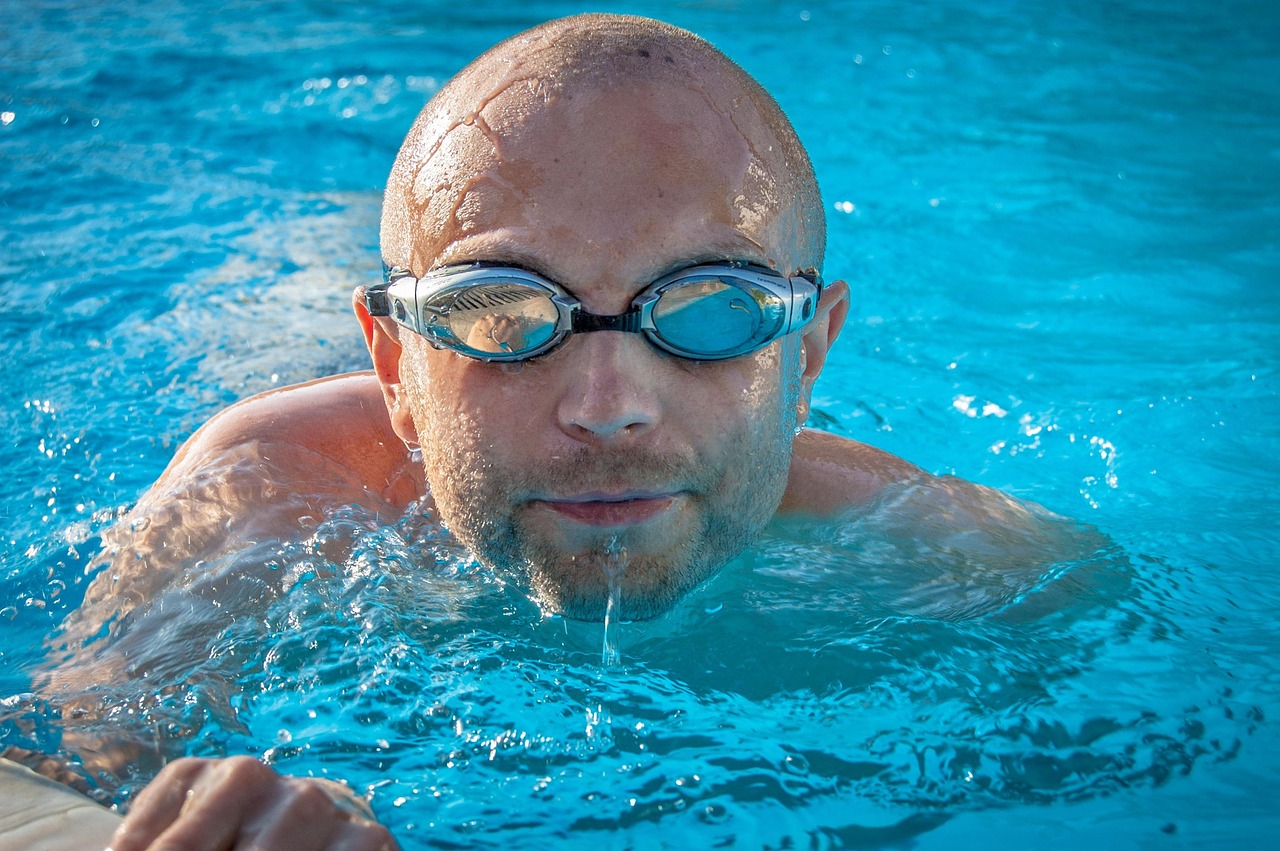
Designed for comfort during longer swimming sessions, recreational goggles feature larger eye cups with softer gaskets and wider straps. They distribute pressure more evenly around the eye socket, reducing the likelihood of discomfort during extended use.
These goggles work wonderfully for fitness swimmers, water aerobics participants, and anyone swimming primarily for health and enjoyment. They often come with adjustable features and extra cushioning that makes them suitable for swimmers of all levels.
Open Water and Triathlon Goggles
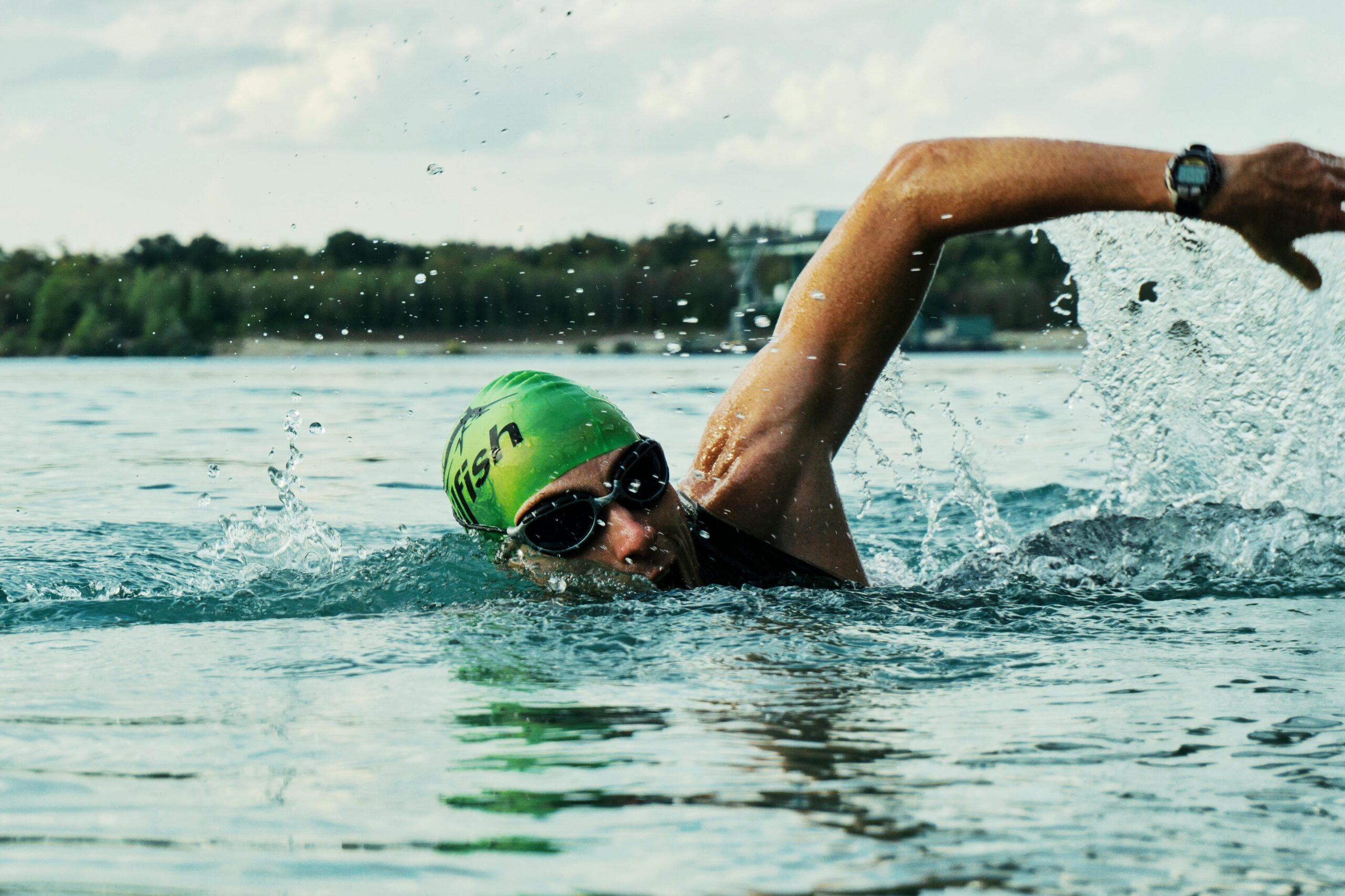
Swimming in lakes, oceans, or rivers requires specialized goggles with enhanced visibility and protection. Open water goggles typically feature larger lenses that provide a wider field of vision, helping swimmers navigate and spot landmarks or buoys from a distance.
Many models include tinted or polarized lenses to reduce glare from the sun and water surface. The straps are usually wider and more secure to withstand waves and rougher conditions. Some triathlon-specific goggles are designed for quick removal during transitions.
Swimming Masks
Swimming masks offer the largest viewing area, covering more of the face than traditional goggles. They’re excellent for snorkeling, recreational swimming, and anyone who feels claustrophobic in standard goggles. The increased volume inside masks makes them less suitable for competitive swimming but perfect for leisurely exploration underwater.
🔍 Essential Features to Consider When Choosing Swim Goggles
Lens Technology and Visibility
The lens is the most critical component of your goggles, directly affecting your underwater vision. Clear lenses work best for indoor pool swimming, offering maximum light transmission and natural color perception. They’re versatile and suitable for most swimming conditions.
Tinted lenses reduce brightness and are ideal for outdoor swimming in sunny conditions. Different tint colors serve various purposes: blue and gray tints work well in bright sunlight, amber or yellow enhance contrast in low-light conditions, and mirrored coatings provide maximum glare reduction for open water swimming.
Photochromic lenses automatically adjust their tint based on light conditions, offering versatility for swimmers who transition between indoor and outdoor environments. While more expensive, they eliminate the need to own multiple pairs of goggles.
Anti-Fog Coating
Fogging is one of the most common complaints among swimmers. Quality goggles feature anti-fog coating applied to the inner lens surface, which prevents condensation from forming when warm air from your face meets the cooler lens.
This coating degrades over time, especially if you touch the inside of the lenses or use abrasive cleaning methods. To maintain anti-fog effectiveness, rinse goggles with cool water after each use and allow them to air dry. Never wipe the inside of the lenses with towels or fingers.
Some swimmers use anti-fog sprays or solutions as the factory coating diminishes, extending the useful life of their goggles. However, starting with high-quality anti-fog technology ensures better performance from the beginning.
UV Protection
For outdoor swimmers, UV protection is non-negotiable. Prolonged exposure to ultraviolet rays can damage your eyes, even underwater. Quality swim goggles for outdoor use should offer 100% UVA and UVB protection, clearly indicated on the product specifications.
Don’t assume all tinted lenses provide UV protection—the tint and UV coating are separate features. Clear lenses can have excellent UV protection, while some colored lenses may not. Always verify this specification before purchasing goggles for outdoor swimming.
Fit and Seal Quality
The perfect fit creates a watertight seal without excessive pressure. When testing goggles, gently press them against your face without using the strap. They should create suction and stay in place for a few seconds. If they fall off immediately, they’re too large or the wrong shape for your face.
The gasket material significantly impacts comfort and seal effectiveness. Silicone gaskets are most common, offering durability and hypoallergenic properties. Softer silicone provides more comfort but may not last as long, while firmer silicone offers better durability and seal but can feel more intense during wear.
Face shape varies considerably among individuals, and goggle manufacturers design their products with different facial contours in mind. Asian fit goggles, for instance, feature a flatter nose bridge, while European designs often accommodate higher nose bridges. Finding the right match for your facial structure prevents leaking and discomfort.
Strap Design and Adjustability
The strap should hold goggles securely without creating excessive pressure. Wider straps distribute pressure more evenly and are generally more comfortable for extended wear. Split straps offer additional stability and are popular among competitive swimmers.
Easy adjustment mechanisms make a significant difference in user experience. Look for goggles with side adjustment systems that you can modify while wearing them. Rear adjustment clips should be easy to operate but secure enough that they won’t slip during swimming.
Interchangeable nose bridges provide customization options for achieving the perfect fit. This feature is particularly valuable if you fall between standard sizes or have unique facial proportions.
💡 How to Test Goggles for the Perfect Fit
Testing goggles properly before purchase prevents buyer’s remorse and ensures you select a pair that truly works for your face. Follow this systematic approach when evaluating potential goggles.
First, perform the suction test without the strap. Press the goggles gently against your face and release. They should stay in place through suction alone for at least three to five seconds. If they fall off immediately, the seal isn’t right for your face shape.
Next, put on the goggles with the strap and adjust it to a comfortable tightness. The goggles should feel secure but not painful. Pay attention to pressure points around your eye sockets, nose bridge, and temples. Any sharp discomfort during this test will only worsen during actual swimming.
Check your field of vision by looking in different directions. You should have clear peripheral vision without significant obstruction. Move your head as you would while swimming to ensure the goggles remain stable and don’t shift position.
If possible, simulate swimming movements such as turning your head quickly from side to side. Quality goggles will maintain their position and seal even during dynamic motion.
Maintenance Tips to Extend Your Goggles’ Lifespan 🛠️
Proper care dramatically extends the functional life of your swim goggles. Rinse them thoroughly with fresh, cool water immediately after each swim session to remove chlorine, salt, or other chemicals that degrade materials over time.
Store goggles in a protective case rather than tossing them loose in your swim bag where they can get scratched or crushed. Keep them away from direct sunlight and heat sources, which can warp frames and damage lens coatings.
Never touch the inside of the lenses with your fingers, as skin oils break down anti-fog coating. If you must clean them, use only gentle water spray or products specifically designed for swim goggles.
Replace your goggles when you notice persistent fogging that doesn’t respond to anti-fog treatments, cracks in the frame or lenses, stretched straps that no longer provide adequate tension, or deteriorated gaskets that leak consistently.
Special Considerations for Different Swimming Activities
Pool Training and Lap Swimming
Frequent pool swimmers benefit from goggles that balance comfort with performance. Since you’ll wear them for extended periods, prioritize fit and cushioning over absolute hydrodynamic efficiency. Clear or lightly tinted lenses work best for indoor pools where lighting is controlled.
Consider having two pairs—one for regular training and another for more intense speed work. This approach lets you use comfortable goggles for technique work and warm-ups while switching to more performance-oriented models for interval training.
Competitive Swimming
Racers need goggles that won’t fail during crucial moments. Low-profile racing goggles with secure straps and reliable seals are essential. Many competitive swimmers use mirrored lenses to prevent opponents from seeing their eyes and reading their racing strategy.
Practice with your competition goggles regularly so they feel natural on race day. Break them in gradually if they’re new, and always bring a backup pair to competitions in case of equipment failure.
Open Water and Triathlon Swimming
Visibility is paramount in open water environments. Choose goggles with larger lenses and consider polarized or tinted options to handle varying light conditions and reduce glare from the water surface.
Extra-secure straps prevent goggles from being knocked off by waves or during starts with multiple swimmers. Some open water swimmers prefer brightly colored straps for visibility and safety purposes.
Recreational and Family Swimming
Casual swimmers benefit most from comfortable, user-friendly goggles that don’t require constant adjustment. Larger eye cups with soft gaskets provide all-day comfort for poolside play and leisurely swimming.
For children, proper fit is crucial as adult goggles will leak and discourage them from swimming. Youth-specific goggles feature smaller frames designed for developing facial structures.
🎯 Common Goggle Problems and Solutions
Even with quality goggles, swimmers occasionally encounter issues. Understanding how to address these problems saves money and frustration.
Persistent leaking: Usually indicates incorrect fit or adjustment. Try repositioning the goggles slightly higher or lower on your face, adjusting strap tension, or switching to a different nose bridge size if your model offers this option. If problems persist, the goggle design may not match your face shape.
Constant fogging: While anti-fog coating deteriorates naturally, premature fogging often results from touching the lens interior or improper storage. Try anti-fog spray or drops, and ensure you’re not wiping the inside of lenses with towels. Some swimmers use diluted baby shampoo as an effective anti-fog solution.
Red marks and discomfort: Indicates excessive strap tension. Loosen the straps gradually until the goggles stay in place without creating painful pressure. The seal should come from the gasket against your face, not from overtightening the strap.
Poor visibility or distortion: Scratched lenses compromise vision quality and safety. This damage is irreversible, indicating it’s time for replacement goggles. Prevent scratches by always using a protective case and keeping goggles away from rough surfaces.
Making Your Final Decision
Selecting the perfect swim goggles combines understanding your specific needs, trying different options, and being willing to invest in quality equipment. Consider where you’ll swim most frequently, how long your typical sessions last, and what features matter most to your swimming goals.
Don’t be swayed solely by price or brand recognition. A more expensive pair isn’t necessarily better if it doesn’t fit your face properly. Conversely, budget options may lack durability or important features like adequate UV protection or effective anti-fog coating.
Many specialty swim shops allow you to try on multiple brands and styles, providing valuable hands-on experience before purchasing. Take advantage of return policies if ordering online, testing goggles in actual swimming conditions within the return window.
Remember that finding your perfect goggles may require trying several pairs. Once you discover a model that works well for you, consider purchasing a backup pair, especially if you swim frequently or competitively.
Diving Into Your Best Swimming Experience
The right swim goggles transform swimming from a vision-impaired struggle into a clear, comfortable experience where you can focus entirely on technique, fitness, or simply enjoying the water. By understanding the various types, essential features, and how to assess fit properly, you’re equipped to make an informed decision that enhances every swim session.
Whether you’re pursuing competitive goals, maintaining fitness, or introducing your family to swimming, the clarity and comfort provided by well-chosen goggles make every moment in the water more enjoyable and productive. Take time to find your perfect pair—your eyes and your swimming performance will thank you for the investment.