
Breathing is something we do constantly without thinking, yet most of us have never learned to breathe properly. This automatic process holds tremendous power to transform your mental clarity, emotional balance, and physical health.

In our fast-paced world filled with stress and distractions, mastering your breath can be the missing link to achieving deeper relaxation, sharper focus, and enhanced overall well-being. Ancient practices from yoga and meditation have long recognized what modern science is now confirming: conscious breathing is one of the most accessible and powerful tools for self-regulation and healing.
🌬️ Why Breathing Matters More Than You Think
Your breath is the bridge between your conscious and unconscious mind. It’s the only autonomic function that you can control voluntarily, making it a unique gateway to influence your nervous system, emotions, and mental state. When you’re stressed, your breathing becomes shallow and rapid. When you’re calm, it becomes slow and deep.
The beauty of breathwork lies in its bidirectional relationship with your state of mind. Not only does your emotional state affect your breathing, but changing your breathing pattern can directly alter your emotional and physical state. This powerful connection makes breath control an essential skill for anyone seeking to improve their quality of life.
Research has shown that proper breathing techniques can lower blood pressure, reduce anxiety, improve sleep quality, enhance cognitive performance, and even boost immune function. These aren’t just marginal improvements—many people report life-changing results from consistent breathwork practice.
Understanding Your Breathing Anatomy
Before diving into specific techniques, it’s helpful to understand the basic mechanics of breathing. Your respiratory system consists primarily of the lungs, diaphragm, and various muscles that facilitate the expansion and contraction of your chest cavity.
The diaphragm is a dome-shaped muscle located below your lungs. When you breathe properly, this muscle contracts and moves downward, creating space for your lungs to expand and fill with air. This is called diaphragmatic breathing or belly breathing, and it’s the natural way babies and animals breathe.
Unfortunately, many adults have shifted to chest breathing—a shallow breathing pattern that uses the upper chest muscles rather than the diaphragm. This inefficient method delivers less oxygen, creates more tension, and triggers stress responses in the body. Relearning to breathe with your diaphragm is foundational to all effective breathwork.
The Difference Between Chest and Belly Breathing
Chest breathing is characterized by visible shoulder and upper chest movement with minimal expansion of the abdomen. It’s often associated with stress, anxiety, and the fight-or-flight response. This shallow breathing pattern can actually perpetuate feelings of anxiety and tension.
Belly breathing, on the other hand, involves minimal upper body movement while the abdomen expands outward on the inhale and contracts inward on the exhale. This deeper breathing pattern activates the parasympathetic nervous system, promoting relaxation and calmness.
🧘 Essential Breathing Techniques for Beginners
Now that you understand the importance and mechanics of proper breathing, let’s explore some fundamental techniques that can transform your daily experience. These methods are simple enough for complete beginners yet powerful enough to create significant shifts in your well-being.
Diaphragmatic Breathing: Your Foundation Practice
This is where everyone should start. Diaphragmatic breathing retrains your body to use its natural, efficient breathing mechanism. To practice, lie on your back with one hand on your chest and one on your belly. As you breathe in through your nose, focus on expanding your belly while keeping your chest relatively still. The hand on your abdomen should rise higher than the hand on your chest.
Exhale slowly through your mouth, feeling your belly naturally fall. Practice this for five to ten minutes daily until it becomes second nature. Over time, you’ll find yourself naturally breathing this way throughout the day, even without conscious effort.
Box Breathing: The Technique for Focus and Calm
Box breathing, also known as square breathing, is used by Navy SEALs, athletes, and high-performers worldwide to maintain composure under pressure. This technique involves breathing in four equal parts, creating a “box” pattern that balances your nervous system.
Here’s how to practice box breathing:
- Inhale through your nose for a count of four
- Hold your breath for a count of four
- Exhale through your mouth for a count of four
- Hold empty for a count of four
- Repeat the cycle for several minutes
This technique is particularly effective before important meetings, exams, or any situation where you need to center yourself and enhance focus. The equal timing creates a rhythmic pattern that occupies your mind and prevents racing thoughts.
4-7-8 Breathing: Your Natural Sleep Aid
Developed by Dr. Andrew Weil, the 4-7-8 breathing technique is remarkably effective for inducing relaxation and promoting sleep. This method lengthens your exhale, which activates the parasympathetic nervous system and signals your body that it’s safe to rest.
To practice this technique, place the tip of your tongue against the ridge of tissue behind your upper front teeth. Exhale completely through your mouth, then close your mouth and inhale quietly through your nose for four counts. Hold your breath for seven counts, then exhale completely through your mouth for eight counts. This completes one cycle. Repeat for four full cycles.
Many practitioners report falling asleep before completing all four cycles, making this an invaluable tool for insomnia and nighttime anxiety.
💪 Breathwork for Energy and Vitality
While calming techniques are essential, breathwork can also be used to energize your body and sharpen your mind. These practices are perfect for starting your day or overcoming afternoon fatigue.
Bellows Breath: Quick Energy Boost
Also known as Bhastrika in yoga traditions, bellows breath is a vigorous technique that increases oxygen flow and stimulates your sympathetic nervous system. Sit comfortably with a straight spine and take several deep breaths to prepare. Then, begin forceful, rhythmic breathing through your nose, keeping your inhales and exhales equal in length and intensity.
Your belly should pump in and out rapidly. Start with just 10-15 breaths and gradually increase as you build comfort with the technique. This practice should leave you feeling alert, awake, and energized. Avoid this technique if you have high blood pressure, heart conditions, or are pregnant.
Alternate Nostril Breathing: Balance and Clarity
This ancient yogic practice, called Nadi Shodhana, balances the left and right hemispheres of your brain while calming your nervous system. Use your right thumb to close your right nostril and inhale through your left nostril. At the top of your inhale, close your left nostril with your ring finger, release your right nostril, and exhale through the right side.
Inhale through the right nostril, then close it and exhale through the left. This completes one full cycle. Continue for five to ten minutes. This technique is excellent for mental clarity, reducing anxiety, and preparing for meditation or focused work.
🎯 Integrating Breathwork Into Your Daily Life
The real power of breathwork emerges when you integrate these practices into your daily routine. Occasional practice yields some benefits, but consistent application creates lasting transformation in your nervous system and overall health.
Morning Breath Ritual
Start your day with five minutes of energizing breathwork like bellows breath or simply practicing deep diaphragmatic breathing. This sets a positive tone for the day, oxygenates your body, and activates your mind before the demands of daily life begin.
Consider pairing your morning breathwork with other healthy habits like stretching, hydration, or journaling to create a comprehensive morning routine that supports your well-being.
Midday Reset Practices
When afternoon fatigue hits or stress begins to accumulate, take a three-to-five-minute breathing break. Box breathing or 4-7-8 breathing works wonderfully for midday resets, helping you release tension and return to your tasks with renewed focus and energy.
Set reminders on your phone or use dedicated breathing apps to help you remember these midday check-ins. Many people find that just two or three conscious breathing breaks throughout the day significantly improve their productivity and mood.
Evening Wind-Down Protocol
Use calming breathing techniques like 4-7-8 breathing or extended exhale breathing to transition from your active day into a restful evening. Practice these techniques 30-60 minutes before bed to signal your body that it’s time to shift into recovery mode.
This consistent evening practice can dramatically improve sleep quality, reduce nighttime anxiety, and help you wake feeling more refreshed and restored.
📊 Tracking Your Progress and Building Consistency
Like any skill, breathwork improves with consistent practice. Tracking your practice helps maintain motivation and allows you to observe the cumulative benefits over time.
| Week | Focus Area | Practice Time | Technique |
|---|---|---|---|
| 1-2 | Foundation Building | 5 minutes daily | Diaphragmatic Breathing |
| 3-4 | Stress Management | 10 minutes daily | Box Breathing + 4-7-8 |
| 5-6 | Energy & Balance | 15 minutes daily | Add Bellows Breath + Alternate Nostril |
| 7+ | Integration | Multiple sessions | Mix techniques based on needs |
Consider keeping a simple journal noting how you feel before and after each practice session. Over weeks and months, patterns will emerge showing you which techniques work best for specific situations and challenges in your life.
🚀 Common Mistakes and How to Avoid Them
As you begin your breathwork journey, being aware of common pitfalls can help you progress more smoothly and safely.
Forcing the Breath
One of the most common mistakes is trying too hard or forcing your breathing into unnatural patterns. Your breath should always feel comfortable and sustainable. If you feel dizzy, anxious, or strained, you’re pushing too hard. Back off and return to a more comfortable pace.
Remember that breathwork is a gentle practice of awareness and regulation, not a forceful manipulation of your respiratory system.
Irregular Practice
Practicing breathwork sporadically yields minimal benefits. The nervous system responds to consistent training over time. Even just five minutes daily produces far better results than an occasional 30-minute session. Make breathwork a non-negotiable part of your daily routine, just like brushing your teeth.
Ignoring Your Body’s Signals
Always listen to your body during breathwork. If a particular technique causes discomfort, dizziness, or anxiety, stop and return to normal breathing. Some practices aren’t appropriate for everyone, particularly those with respiratory conditions, pregnancy, or certain medical conditions.
Consult with healthcare providers if you have any concerns about whether specific breathing techniques are appropriate for your individual situation.
🌟 The Long-Term Journey: What to Expect
Breathwork is not a quick fix but rather a foundational practice that yields compounding benefits over time. In the first few weeks, you’ll likely notice improved ability to manage acute stress and anxiety. Your sleep may improve, and you’ll develop greater awareness of your breathing patterns throughout the day.
After one to three months of consistent practice, many people report significant shifts in their baseline anxiety levels, emotional regulation, and overall sense of well-being. Your capacity to remain calm under pressure grows, and you develop a reliable tool for self-regulation in any situation.
Long-term practitioners often describe breathwork as transformative, creating fundamental changes in how they experience life. The nervous system becomes more resilient, the mind grows clearer, and a deep sense of inner peace becomes more accessible, regardless of external circumstances.
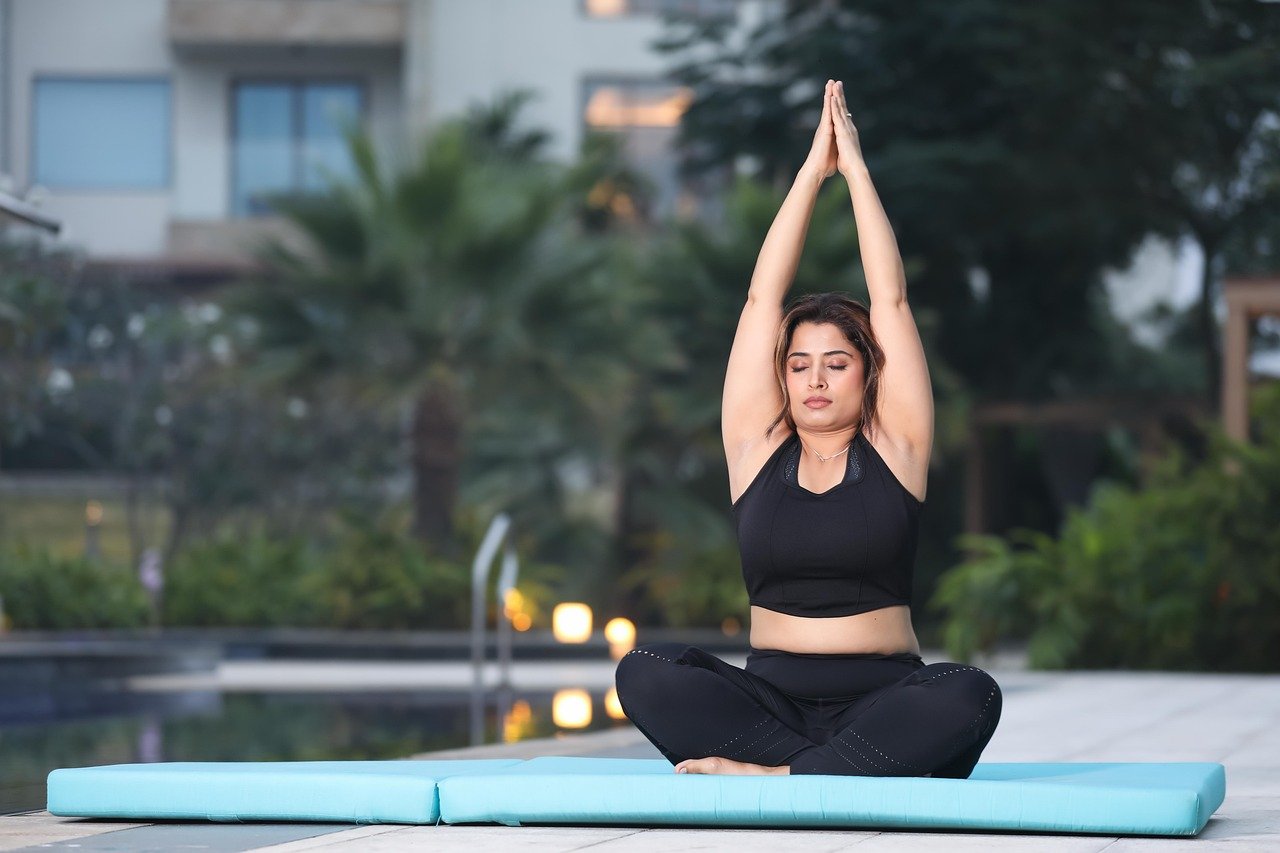
🌈 Embracing Your Breath as a Lifelong Companion
Your breath has been with you since your first moment of life and will accompany you until your last. Learning to work consciously with this constant companion opens doors to greater health, happiness, and personal mastery that few other practices can match.
The techniques shared here are just the beginning of a rich tradition of breathing practices from cultures around the world. As you develop your practice, you may feel called to explore more advanced techniques, work with experienced teachers, or dive deeper into the science and spirituality of breathwork.
What matters most is that you begin. Start today with just five minutes of conscious breathing. Notice how you feel. Return tomorrow and do it again. Over time, these small daily investments in your breath will yield profound returns in every area of your life.
Your journey to mastering your breath begins with a single conscious inhale. The power to transform your focus, deepen your relaxation, and enhance your overall well-being is already within you, flowing in and out with every breath. All you need to do is pay attention and practice. The rest will unfold naturally, one breath at a time.