Swimming transforms from struggle to effortless glide when breath and stroke synchronize perfectly. This coordination separates elite performers from those fighting against the water, creating efficiency that propels you forward with minimal energy waste.

Whether you’re training for competition or pursuing personal fitness goals, mastering breathing rhythm unlocks unprecedented performance levels. The connection between oxygen intake and stroke mechanics determines everything from endurance to speed, yet most swimmers overlook this fundamental relationship.
🌊 Understanding the Science Behind Breathing and Stroke Coordination
The human body requires consistent oxygen delivery to maintain peak athletic performance. When swimming, this need becomes complicated by the aquatic environment that restricts natural breathing patterns. Your muscles consume oxygen at accelerated rates during vigorous swimming, creating an urgent demand that proper breathing must satisfy.
Stroke mechanics and respiratory rhythm create a symbiotic relationship. Each movement through the water affects your breathing capacity, while breathing patterns influence stroke efficiency. Poor coordination disrupts both systems, forcing your body to work harder while delivering less forward propulsion.
Elite swimmers exhibit breathing patterns that appear effortless because their neurological pathways have developed automatic coordination. This automation frees mental resources for strategy and technique refinement while maintaining optimal oxygen exchange. Building these pathways requires deliberate practice and conscious attention to timing.
The Foundation: Establishing Your Natural Rhythm
Every swimmer possesses a unique natural rhythm influenced by lung capacity, stroke rate, and metabolic demands. Discovering this baseline provides the foundation for optimization. Begin by swimming at comfortable pace while counting strokes between breaths without forcing any particular pattern.
Your natural rhythm reveals itself through consistency. Track breathing patterns across multiple sessions, noting when breathing feels effortless versus labored. This awareness highlights the sweet spot where oxygen supply matches demand without creating unnecessary resistance or interrupting stroke flow.
Identifying Your Breathing Pattern Preferences
Different strokes and intensities require varied breathing approaches. Freestyle swimmers typically breathe every two, three, or four strokes, while backstrokers maintain more consistent breathing due to face position. Breaststroke integrates breathing into each cycle, and butterfly demands precise timing with arm recovery.
Experimentation reveals which patterns suit your physiology and goals. Bilateral breathing (alternating sides) promotes balanced development and improved body rotation, though some swimmers perform better with unilateral patterns that maximize comfort and efficiency.
💪 Building Coordination Through Progressive Training
Developing seamless coordination requires systematic progression from basic awareness to automatic integration. Rushing this process creates compensatory patterns that limit long-term development. Patient, structured training builds neural pathways that transform conscious effort into unconscious excellence.
Begin with stationary breathing exercises that establish rhythm without stroke complexity. Practice exhaling fully underwater through nose or mouth, then rotating to inhale quickly and completely. This foundational skill prevents breath-holding and carbon dioxide buildup that trigger panic responses.
Drill Progressions for Rhythm Mastery
Single-arm drills isolate breathing mechanics from full stroke complexity. Swimming with one arm extended allows focused attention on rotation timing, head position, and breath duration. Alternate arms every 25 meters, gradually reducing rest intervals as coordination improves.
Catch-up drills force deliberate timing by requiring one arm to wait while the other completes its stroke cycle. This exaggerated pause creates space for breathing integration, making the relationship between body rotation and air exchange explicit rather than rushed.
The following progression builds coordination systematically:
- Week 1-2: Breathing exercises without swimming movement, establishing rhythm
- Week 3-4: Single-arm drills with focus on timing and head position
- Week 5-6: Catch-up drills integrating full stroke mechanics
- Week 7-8: Bilateral breathing patterns at various stroke counts
- Week 9-10: Speed variations maintaining consistent breathing rhythm
- Week 11-12: Competition pace with automatic breathing coordination
🎯 Optimizing Breath Timing for Different Swimming Styles
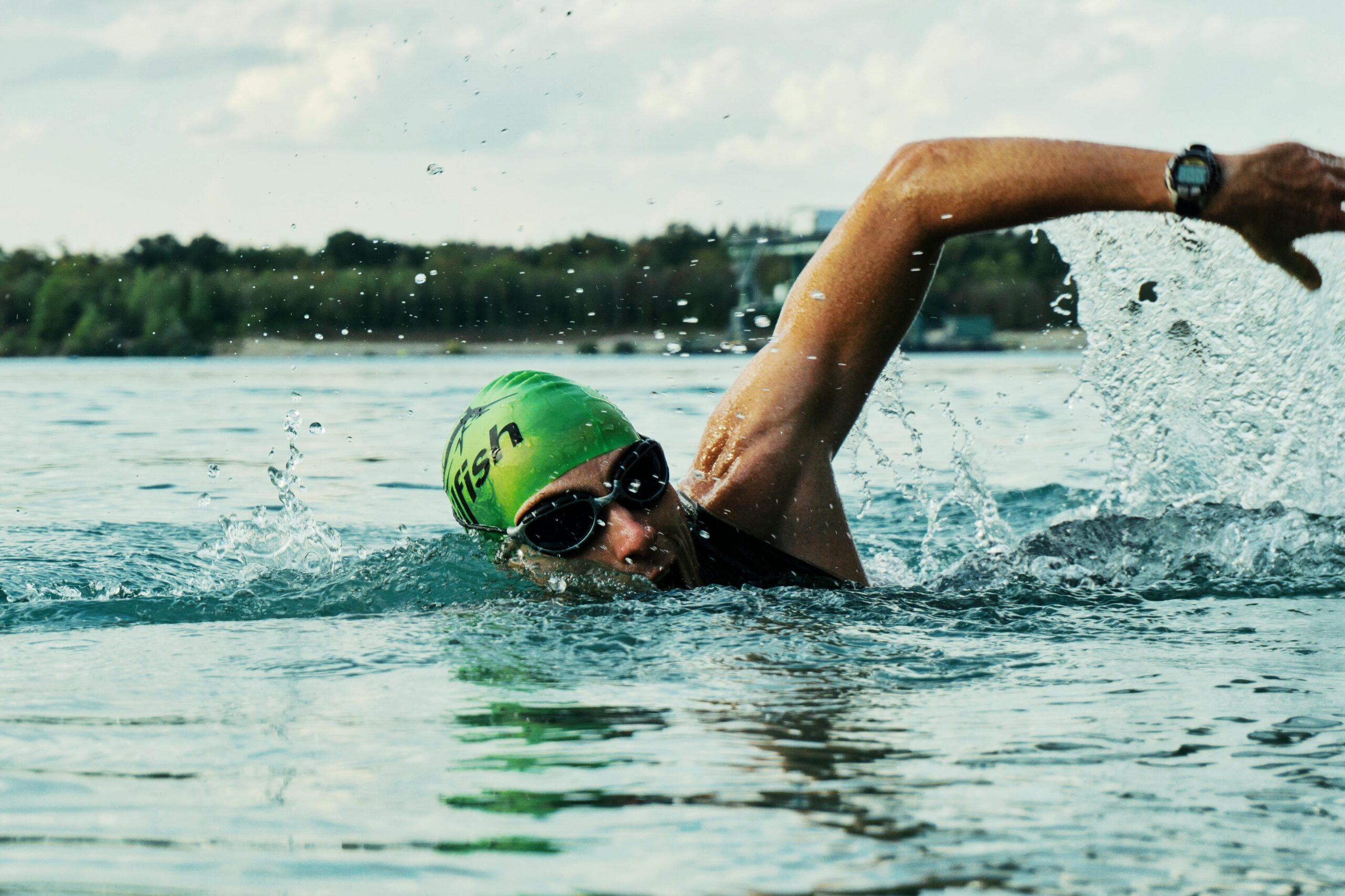
Each competitive stroke demands specific breathing coordination strategies. Freestyle offers the most flexibility but requires precise rotation timing. The breath should begin as the recovering arm passes your head, utilizing body rotation rather than excessive head lifting that creates drag.
Backstroke breathing seems simpler since your face remains above water, yet timing still matters. Coordinate inhalation with one arm’s recovery and exhalation with the opposite arm to maintain rhythmic flow. Avoid holding breath or breathing continuously, which disrupts stroke rhythm and reduces power.
Butterfly Breathing: The Ultimate Coordination Challenge
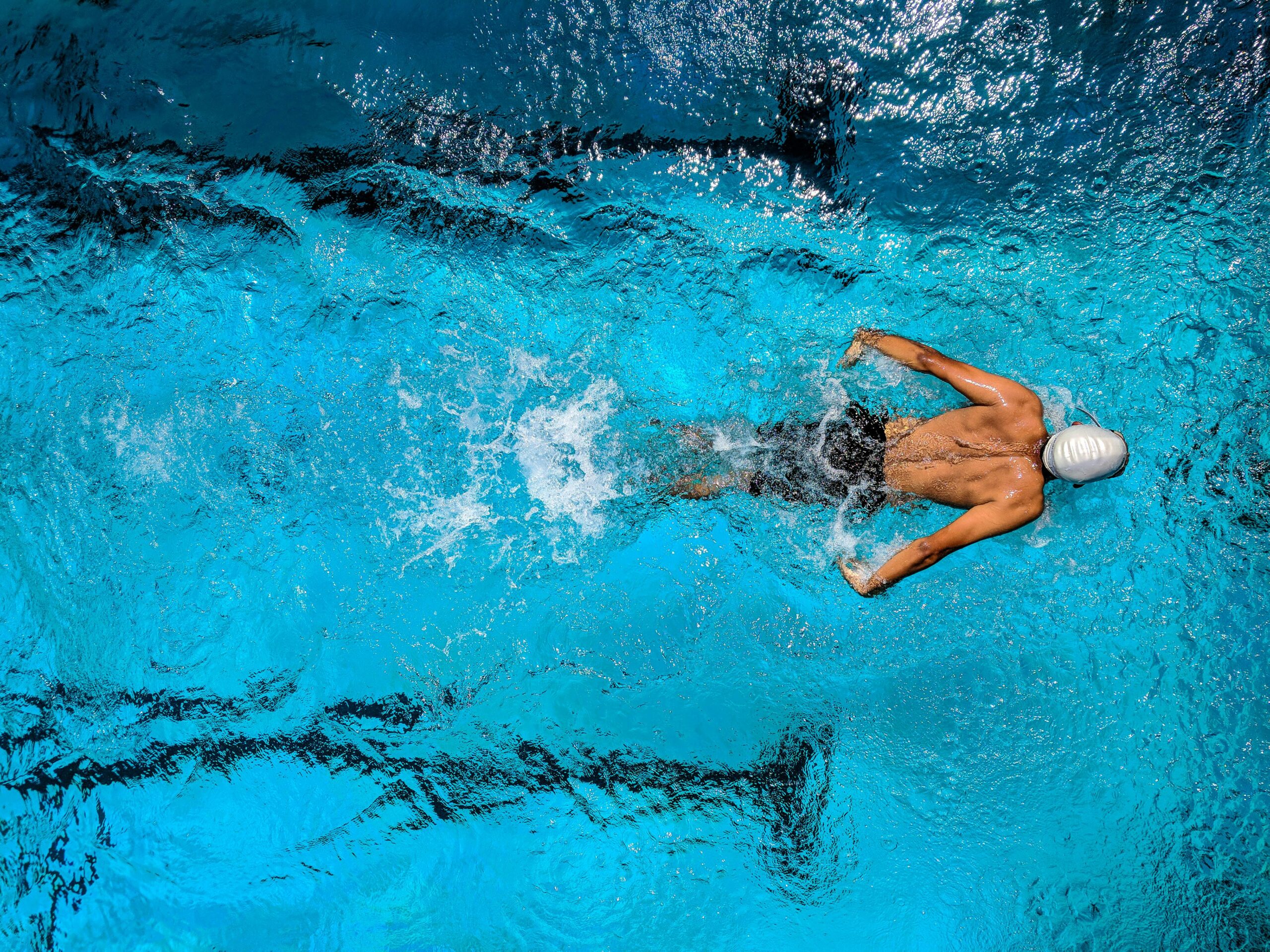
Butterfly presents the greatest breathing challenge due to its demanding timing requirements. The breath occurs during arm recovery when your body rises naturally from the undulation. Lifting too early or late disrupts the wave-like motion that defines efficient butterfly technique.
Most butterfly swimmers breathe every stroke at lower intensities and every other stroke during sprints. The key involves minimal head lift, with eyes looking slightly forward rather than up, maintaining spine alignment and reducing drag significantly.
Breaststroke: Integrated Breathing Mechanics
Breaststroke naturally incorporates breathing into each stroke cycle, making coordination simpler but still requiring precision. As your hands sweep outward and you pull your body forward, your head rises above water. The breath occurs during this brief window before streamlining for the glide phase.
Common mistakes include lifting too high, looking forward instead of down, and delaying the breath until after arms begin recovery. Proper timing maintains horizontal body position while accomplishing necessary gas exchange efficiently.
The Mental Game: Programming Automatic Responses
Conscious breathing control eventually becomes limiting when speed increases or fatigue accumulates. Elite performance requires programming automatic responses that maintain coordination without active thought. This mental programming develops through visualization, repetition, and progressive overload.
Visualization creates neural activation patterns similar to actual swimming. Spend five minutes before each session mentally rehearsing perfect breathing coordination, feeling the rotation, sensing the air exchange, and experiencing the effortless rhythm. This mental practice accelerates physical skill development.
Meditation and Breathing Awareness
Dry-land meditation focusing on breath awareness enhances aquatic breathing control. Practice counting breath cycles, maintaining steady rhythm despite distractions, and recovering quickly when patterns break. These skills transfer directly to maintaining composure during challenging swimming situations.
Mindfulness practices teach non-judgmental observation of breathing patterns. Rather than forcing correction, simply notice when coordination slips and gently return to optimal rhythm. This approach reduces tension and anxiety that often worsen breathing difficulties.
📊 Tracking Progress and Making Adjustments
Systematic measurement reveals progress that might otherwise go unnoticed. Track stroke count per length, breathing frequency, perceived exertion, and maintained pace across various breathing patterns. This data illuminates which approaches yield best results for your unique physiology.
| Breathing Pattern | Stroke Count (25m) | Average Pace | RPE (1-10) | Efficiency Score |
|---|---|---|---|---|
| Every 2 strokes | 18-20 | 0:22 | 6 | Good |
| Every 3 strokes | 16-18 | 0:20 | 5 | Excellent |
| Every 4 strokes | 17-19 | 0:21 | 7 | Moderate |
| Bilateral (3/5) | 17-18 | 0:21 | 6 | Very Good |
This sample data demonstrates how breathing every three strokes produces optimal efficiency for this hypothetical swimmer, balancing oxygen delivery with minimal stroke disruption. Your personal data will reveal different optimal patterns based on individual characteristics.
🏊♂️ Advanced Techniques for Peak Performance
Once foundational coordination becomes automatic, advanced techniques unlock additional performance gains. Hypoxic training—swimming with reduced breathing frequency—builds tolerance to carbon dioxide accumulation and enhances oxygen utilization efficiency. Implement cautiously with proper progression to avoid negative adaptations.
Start with short hypoxic sets like 8x25m breathing every 5 strokes with full recovery. Gradually increase distance and reduce rest as adaptation occurs. Never push to dizziness or panic, which indicates excessive stress that hinders rather than helps development.
Race-Specific Breathing Strategies
Competition demands different breathing approaches than training. Sprint events benefit from reduced breathing frequency to maximize speed, while distance events require sustainable rhythms that maintain oxygen delivery throughout. Practice race-pace breathing patterns specifically during training to make them automatic under competition pressure.
Open water swimming introduces additional variables like waves, sighting, and positioning that affect breathing rhythm. Practice bilateral breathing to handle water approaching from either side, and develop quick-breath techniques that minimize disruption when sighting to navigate.
Common Mistakes That Sabotage Coordination
Holding breath between breaths ranks among the most common and destructive habits. This creates carbon dioxide buildup that triggers breathlessness and panic. Continuous exhalation underwater eliminates this problem, ensuring fresh oxygen replaces stale air with each breath.
Excessive head lifting creates significant drag while disrupting body position and stroke mechanics. The breath requires minimal head rotation—just enough to clear mouth from water. Your head should rotate with your body rather than lifting independently.
Timing Errors and Correction Strategies
Breathing too late in the stroke cycle forces rushed inhalation and incomplete exhalation. The breath should begin as your hand enters water on the breathing side, utilizing natural body rotation that occurs during this phase. Practice with tempo trainers to establish consistent timing.
Breathing too early, before body rotation reaches optimal angle, requires excessive neck strain and head lift. This timing error typically stems from breath-holding anxiety. Focus on continuous exhalation to eliminate urgency that prompts premature breathing.
🔧 Troubleshooting Persistent Coordination Challenges
Some swimmers struggle with coordination despite consistent practice. Video analysis reveals subtle technique flaws that verbal coaching alone cannot identify. Record underwater footage from multiple angles, comparing your technique against elite swimmers to identify specific differences.
Flexibility limitations sometimes prevent proper rotation necessary for comfortable breathing. Incorporate shoulder mobility exercises, thoracic spine rotation drills, and hip flexibility work to enable full body rotation that makes breathing effortless rather than forced.
Equipment That Aids Development
Strategic equipment use accelerates coordination development. Pull buoys isolate upper body mechanics, allowing focused breathing practice without kick coordination complexity. Fins provide propulsion that reduces effort, creating mental space for breathing rhythm attention.
Snorkels offer controversial but valuable training tools. While some coaches avoid them fearing dependency, short-term snorkel use allows stroke technique refinement without breathing disruption. Once mechanics improve, remove the snorkel and integrate breathing into the refined stroke pattern.
Integrating Breathing Coordination Into Complete Training Plans
Breathing work shouldn’t exist in isolation but rather integrate throughout comprehensive training. Every warmup provides breathing drill opportunities that prepare neuromuscular systems for coordinated performance. Dedicate 10-15 minutes of each session specifically to breathing-focused work.
Periodization applies to breathing development just as it does to strength and endurance. Base phases emphasize technique and coordination establishment. Build phases add intensity while maintaining rhythm. Peak phases refine race-specific breathing patterns under competition stress.
Weekly Training Structure Example
- Monday: Technique focus with breathing drills and single-arm work
- Tuesday: Endurance swim maintaining consistent breathing patterns
- Wednesday: Sprint intervals with race-pace breathing strategies
- Thursday: Recovery swim with mindful breathing awareness
- Friday: Mixed pace work alternating breathing patterns
- Saturday: Long swim testing breathing coordination under fatigue
- Sunday: Active recovery or rest
💡 The Psychology of Breathing Confidence
Mental confidence in breathing ability transforms performance dramatically. Anxiety about air access creates tension that disrupts coordination and increases oxygen consumption unnecessarily. Building confidence requires gradual exposure to challenging situations that prove your capability.
Progressive distance increases without breathing frequency changes demonstrate improved efficiency. Swimming 400m with every-three-stroke breathing when previously only managing 100m proves adaptation and builds psychological resilience for competition challenges.
Breathing Coordination Across Different Training Environments
Pool swimming provides controlled conditions ideal for developing precise coordination. Open water introduces variables that test adaptability: waves disrupting rhythm, sun glare affecting sighting timing, and wetsuit restriction altering breathing mechanics. Practice breathing coordination in various environments to build robust skills that transfer across contexts.
Cold water affects breathing patterns through initial shock response and sustained physiological changes. Acclimatization protocols that gradually expose you to cooler temperatures while maintaining breathing rhythm prevent panic responses during cold water competition.
🎓 Learning From Elite Swimmers and Coaches
Studying world-class swimmers reveals common breathing coordination characteristics. Most maintain remarkably still head positions with minimal rotation, utilizing full body roll to access air efficiently. Their breathing appears almost invisible, creating no noticeable speed reduction.
Elite breathing patterns demonstrate impressive consistency despite intensity variations. Whether sprinting or distance swimming, their rhythm remains steady and controlled, adapted appropriately for the effort level but never rushed or panicked.
Working with experienced coaches accelerates development through expert feedback and personalized adjustments. Coaches identify subtle technique flaws invisible to swimmers themselves, providing specific corrections that eliminate inefficiencies and optimize coordination.
Sustaining Progress and Continuing Development
Breathing coordination improvement never truly ends. Even elite swimmers continuously refine timing and efficiency throughout careers. Maintain deliberate practice incorporating breathing focus rather than allowing unconscious habits to deteriorate hard-earned skills.
Regular technique check-ins every 4-6 weeks ensure coordination remains optimal as fitness improves and training demands increase. Video yourself periodically, comparing current technique against previous recordings to identify regression or celebrate continued improvement.
The journey to perfect breathing coordination rewards patience and persistence. Small improvements accumulate into transformative performance gains that make swimming feel effortless and joyful. Your commitment to mastering this fundamental skill unlocks swimming’s full potential, propelling you toward goals once thought impossible.