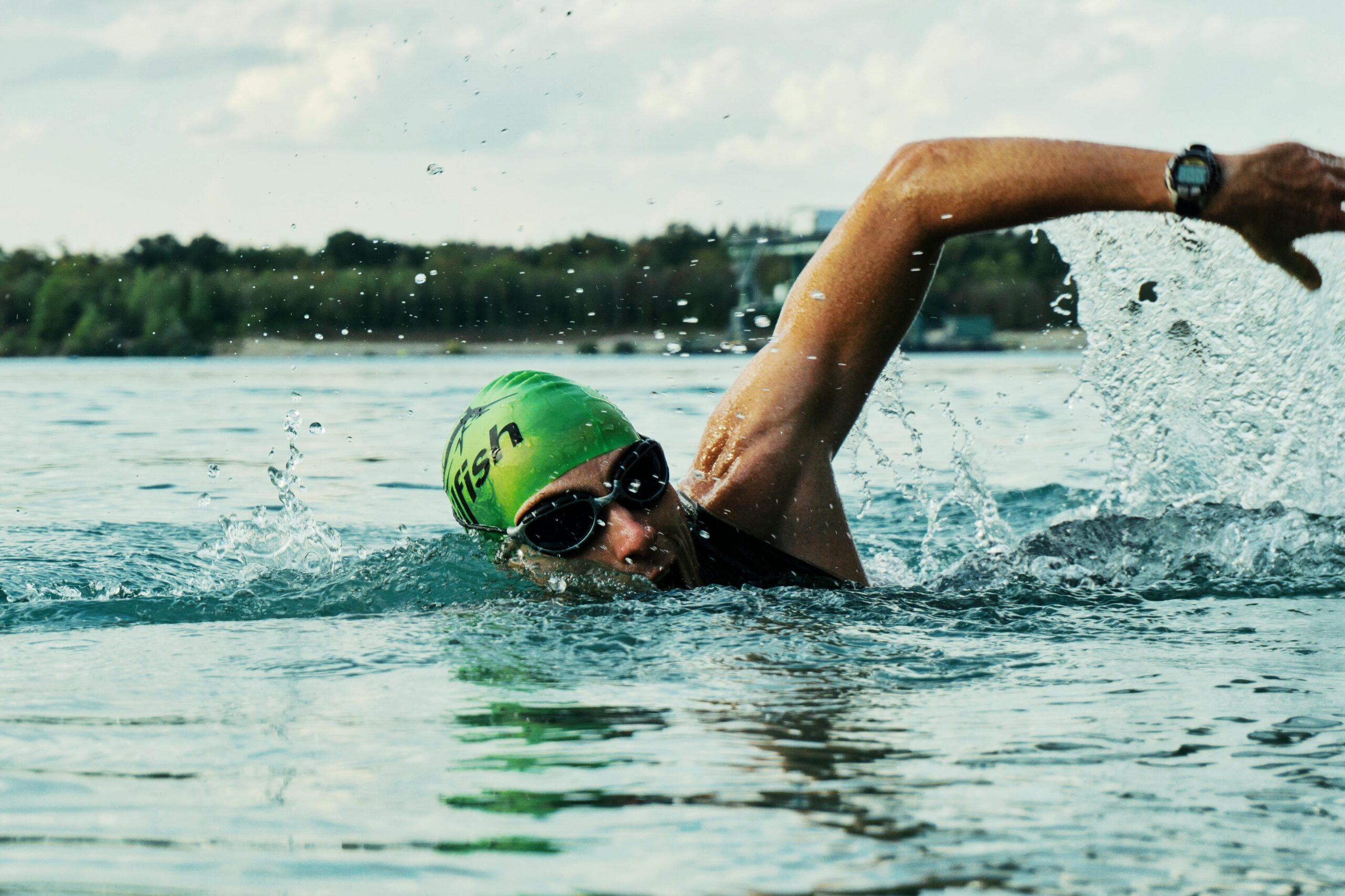
Peak performance isn’t just about pushing harder—it’s also about recovering smarter. The routines you practice after intense learning or training sessions can determine whether knowledge sticks or fades away.

In our achievement-driven culture, we often celebrate the grind while overlooking a critical component of mastery: the cooldown. Just as athletes need recovery protocols to build strength, learners require strategic cooldown routines to consolidate skills and maintain mental sharpness. This article explores evidence-based cooldown techniques that transform temporary learning into lasting expertise.
🧠 Why Your Brain Needs a Cooldown Period
Your brain doesn’t stop working when you finish studying or practicing. Neuroscience research reveals that memory consolidation—the process of converting short-term memories into long-term storage—continues long after you’ve closed the books. This process intensifies during rest periods, particularly during sleep, but the immediate post-learning window is equally crucial.
When you engage in intensive learning, your brain creates neural pathways. Think of these pathways like wet cement—they need time to harden before they can support reliable retrieval. Jumping immediately to another demanding task is like walking across that wet cement, disrupting the formation process.
The phenomenon called “interference” occurs when new information conflicts with recently learned material. Without proper cooldown routines, your brain struggles to separate and organize different pieces of information, leading to confusion and reduced retention. Strategic cooldown periods create mental space for your brain to organize, categorize, and strengthen these new neural connections.
The Science Behind Retention and Recovery
Research from cognitive psychology demonstrates that retention rates dramatically improve when learning sessions include structured recovery periods. A study published in Psychological Science found that participants who took deliberate breaks after learning retained 30% more information after one week compared to those who continued without rest.
This improvement isn’t about laziness—it’s about biology. During cooldown periods, your brain engages in a process called “neural replay,” where it spontaneously reactivates the patterns associated with what you just learned. This replay happens faster than real-time, allowing your brain to practice and reinforce new skills without conscious effort.
Additionally, cooldown routines help manage cognitive load. When your working memory is overwhelmed, learning efficiency plummets. Strategic recovery allows your mental resources to replenish, ensuring you’re ready for the next learning session with full cognitive capacity.
📋 Essential Components of an Effective Cooldown Routine
Not all recovery time is created equal. An effective cooldown routine incorporates specific elements designed to maximize retention while promoting mental clarity. Here’s what research suggests should be included:
Physical Movement and Gentle Activity
Light physical activity serves as an excellent transition from intense mental work. A ten-minute walk, gentle stretching, or basic yoga poses increase blood flow to the brain, delivering oxygen and nutrients that support memory consolidation. Movement also triggers the release of brain-derived neurotrophic factor (BDNF), a protein that supports neuron growth and learning.
The key is keeping the activity gentle. Intense exercise can elevate stress hormones and compete for cognitive resources. Instead, opt for rhythmic, low-intensity movements that calm your nervous system while keeping your body engaged.
Reflection and Mental Review
Spending five to ten minutes in quiet reflection dramatically improves retention. This doesn’t mean intensive review—instead, let your mind wander through what you’ve learned without forcing it. Ask yourself simple questions: What was most interesting? What connections did I notice? What felt challenging?
This reflective practice activates the brain’s default mode network, which plays a crucial role in memory consolidation and creative problem-solving. By giving your mind permission to freely associate, you strengthen the neural networks surrounding your new knowledge.
Strategic Note-Taking or Journaling
Writing a brief summary of what you’ve learned—in your own words—forces your brain to process information at a deeper level. This retrieval practice strengthens memory traces and reveals gaps in understanding. Keep it simple: three to five sentences capturing the main points or your biggest insights.
Avoid copying notes verbatim. The translation process from someone else’s words to your own requires deeper cognitive processing, which enhances retention. This brief writing session also provides a record you can review later, creating multiple opportunities for reinforcement.
⏰ Timing Your Cooldown for Maximum Impact
When you cool down matters almost as much as how you cool down. Research on the spacing effect shows that memory benefits from distributed practice with intervals between sessions. Your cooldown routine should bridge these intervals effectively.
Immediate Post-Learning Window
The first 10-30 minutes after learning represent a critical consolidation period. During this window, prioritize activities that don’t demand significant cognitive resources. This is the perfect time for physical movement, hydration, or light social interaction. Avoid checking emails, scrolling social media, or starting another demanding task.
If you’re learning multiple subjects or skills in one day, insert a 15-20 minute cooldown between topics. This buffer reduces interference and gives each subject its own consolidation space. Consider using this time for a brief mindfulness exercise or a change of environment—even moving to a different room can help your brain create distinct memory contexts.
Evening Cooldown Practices
Your pre-sleep routine offers powerful opportunities for retention enhancement. During sleep, your brain rehearses and reorganizes information learned during the day. You can prime this process with an evening cooldown that includes brief review (5-10 minutes maximum), relaxation techniques, and consistent sleep hygiene.
Avoid intense review right before bed, as this can interfere with sleep quality. Instead, engage in light recall—mentally walking through the day’s key learnings without stress or testing yourself. This gentle activation cues your brain about which memories deserve prioritization during sleep.
🎯 Customizing Cooldowns for Different Learning Types
Different skills and subjects benefit from tailored cooldown approaches. Physical skills, conceptual knowledge, and creative work each involve distinct cognitive processes that respond to specific recovery techniques.
Cooldowns for Physical and Motor Skills
When learning physical skills—whether playing an instrument, practicing sports techniques, or developing fine motor skills—your cooldown should include gentle repetition and visualization. After intense practice, spend a few minutes performing the movement at reduced speed and intensity, focusing on form rather than performance.
Follow this with mental rehearsal: close your eyes and visualize yourself performing the skill perfectly. Research on motor learning shows that mental practice during cooldown periods enhances physical performance, as your brain activates similar neural pathways used during actual movement.
Cooldowns for Conceptual and Analytical Learning
After tackling complex concepts, mathematics, or analytical problems, your brain benefits from connecting new information to existing knowledge frameworks. Use your cooldown to create mental maps, identify patterns, or generate analogies that link new concepts to familiar ideas.
Teaching the concept to an imaginary student or explaining it aloud to yourself serves as excellent cooldown practice. This retrieval and translation process deepens understanding while revealing areas that need reinforcement. Keep it brief—five minutes is sufficient for this active recall without causing mental fatigue.
Cooldowns for Creative and Language Learning
Creative work and language acquisition thrive on incubation periods. After intensive creative practice or language study, engage in passive exposure rather than active work. Listen to music in your target language, observe art related to your creative field, or simply let your mind drift.
For language learners, using spaced repetition apps during cooldown can be effective, as these tools are designed for brief, low-intensity review sessions that enhance retention without overwhelming cognitive resources.
💪 Building Consistency: Making Cooldowns a Non-Negotiable Habit
Knowledge of effective cooldown techniques means little without consistent implementation. Like brushing your teeth, cooldown routines deliver benefits through regular practice rather than occasional application.
Start Small and Scale Gradually
If cooldown routines are new to you, begin with just five minutes after each learning session. Choose one simple activity—a short walk, a few deep breaths, or brief note-taking. Once this becomes automatic, gradually expand your routine with additional elements.
Attempting elaborate cooldown protocols from day one often leads to abandonment. Build the habit first, optimize the content later. Consistency trumps complexity when establishing new practices.
Create Environmental Triggers
Design your learning space to prompt cooldown behavior. Keep walking shoes by your desk, position a journal in plain sight, or set up a dedicated “cooldown corner” with comfortable seating. These environmental cues reduce decision fatigue and make the transition from learning to recovery feel natural.
If you study digitally, use apps that prompt breaks or track study sessions. The act of closing one app and opening your cooldown tracker serves as a ritual that signals the transition to recovery mode.
🔄 Advanced Cooldown Strategies for Accelerated Mastery
Once you’ve established basic cooldown habits, consider incorporating advanced techniques that further enhance retention and skill development.
Interleaved Practice During Cooldown
Rather than completely stopping your focus on learned material, briefly expose yourself to related but distinct content. If you’ve been studying Spanish grammar, spend your cooldown listening to a Spanish podcast or observing photos labeled in Spanish. This interleaved exposure strengthens connections without causing interference.
The key is keeping this exposure passive and enjoyable. Your cooldown shouldn’t feel like continued work—it should feel like a pleasant transition that happens to reinforce your learning.
Social Processing and Discussion
Explaining what you’ve learned to someone else—even briefly—during your cooldown activates different cognitive pathways than solo review. This social processing helps identify gaps in understanding and creates emotional memories that enhance retention.
If no one’s available, record yourself explaining the concept on your phone. The act of verbalizing for an audience (even an imaginary one) requires organization and clarity that deepen understanding.
Strategic Distraction Techniques
Paradoxically, certain types of distraction during cooldown can enhance creativity and problem-solving related to what you’ve learned. Engaging in mildly absorbing activities—like watering plants, organizing your space, or doodling—keeps your conscious mind occupied while allowing your subconscious to process new information.
This technique proves particularly valuable when you’ve encountered a challenging problem or concept. The answer often surfaces during these gentle distractions as your brain continues working on the problem below conscious awareness.
📊 Measuring the Impact of Your Cooldown Routine
To maintain motivation and refine your approach, track how cooldown routines affect your retention and performance. Create a simple tracking system that doesn’t become a burden itself.
Consider testing yourself on material learned with cooldowns versus material learned without them. After one week, compare retention rates. Many learners discover dramatic differences—often retaining 40-50% more information when they use structured cooldown periods.
Pay attention to subjective measures too: How do you feel after learning sessions with and without cooldowns? Do you experience less mental fatigue? Can you focus better during subsequent sessions? These qualitative observations are just as valuable as quantitative data.
🌟 Optimizing Your Energy and Attention Through Strategic Recovery
Effective cooldown routines do more than boost retention—they transform your entire approach to learning and skill development. By respecting your brain’s natural consolidation processes, you work with your biology rather than against it.
The most successful learners aren’t those who push hardest—they’re those who balance intensity with intelligent recovery. Your cooldown routine represents an investment in sustainable high performance, protecting you from burnout while accelerating genuine mastery.
Think of cooldown routines as the interest on your learning investment. Every session represents your principal deposit—the effort you put into studying or practicing. The cooldown period is where that investment compounds, generating returns far exceeding the initial effort through enhanced retention and deeper understanding.

Turning Knowledge Into Lasting Expertise
Mastery isn’t built in marathon sessions of relentless practice—it’s constructed through cycles of challenge and recovery. The cooldown routines you establish today will determine which skills and knowledge remain accessible years from now.
Start with one simple cooldown practice after your next learning session. Notice how your mind feels. Pay attention to your retention when you review the material days later. Let these observations guide you in developing a personalized cooldown routine that fits your schedule, learning style, and goals.
Your brain is already primed to consolidate and retain information—cooldown routines simply create the optimal conditions for these natural processes to flourish. By implementing these strategies consistently, you’re not just learning more effectively; you’re building a foundation for lifelong learning excellence that keeps you sharp, engaged, and continuously growing.
The difference between those who master their fields and those who merely dabble often comes down to these hidden practices—the routines that happen after the main work appears finished. Your cooldown isn’t an afterthought; it’s where the real transformation occurs, where temporary learning becomes permanent expertise.