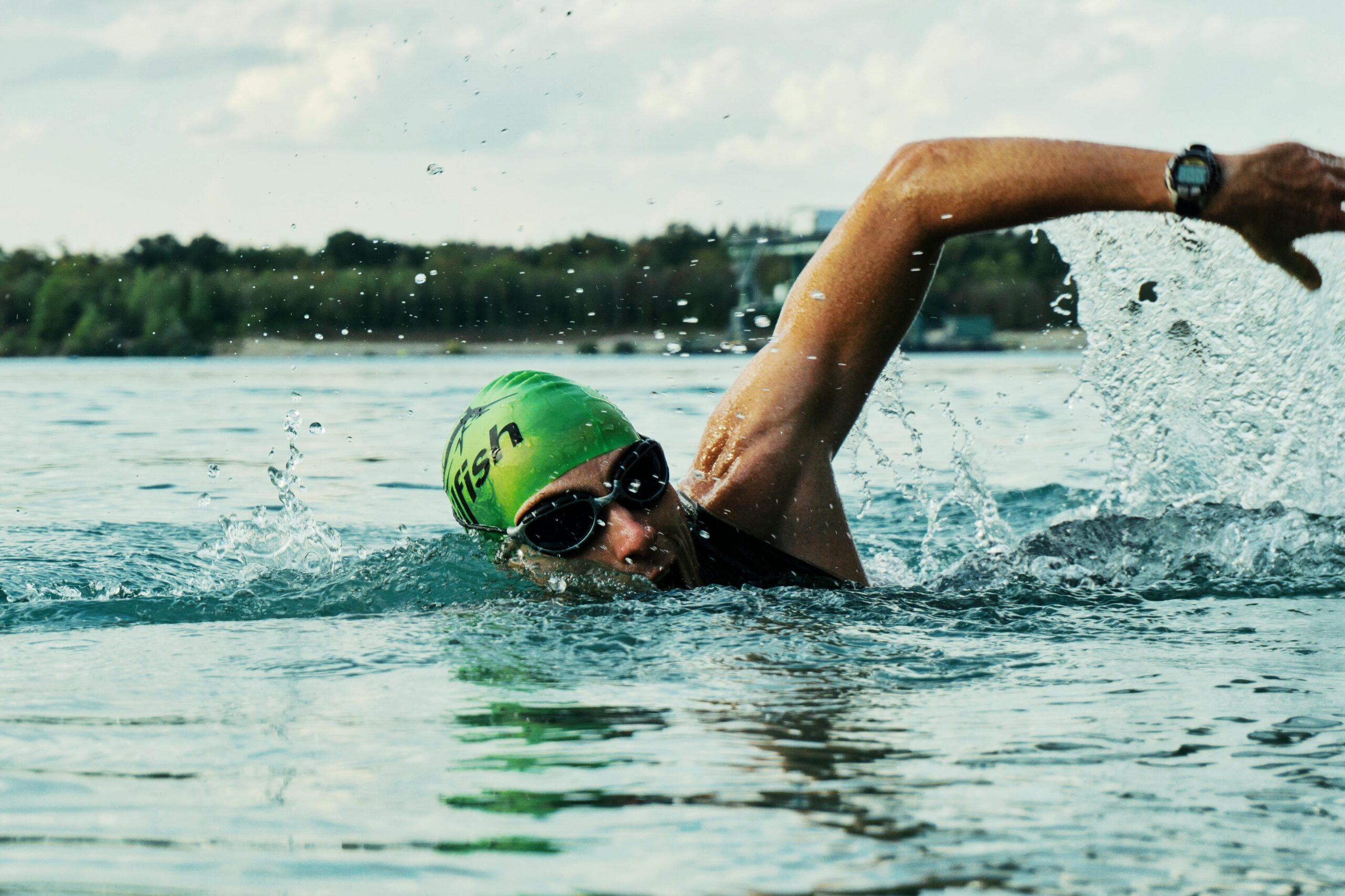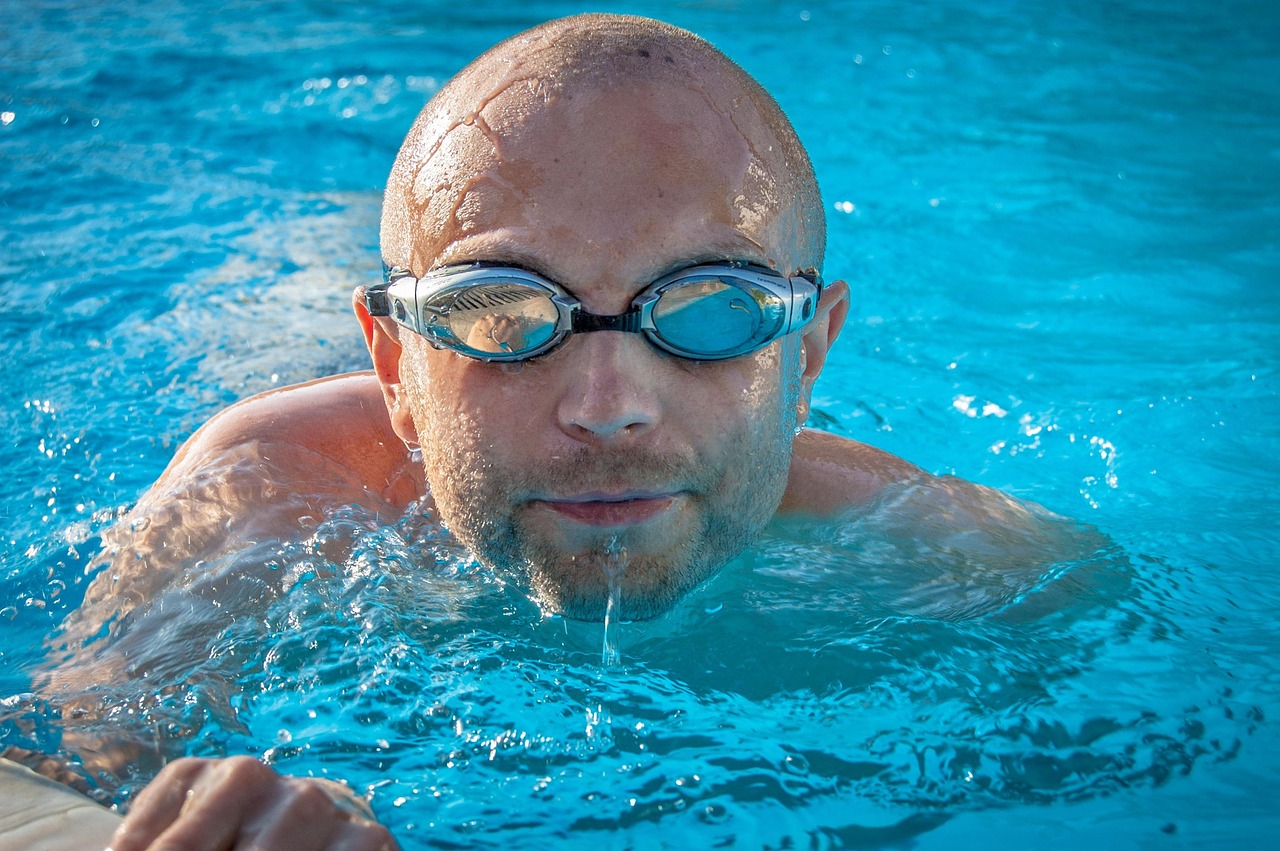
Race day can be thrilling yet overwhelming for swimmers of all levels. Having a comprehensive packing checklist ensures you arrive prepared, confident, and ready to perform at your absolute best.

Whether you’re competing in your first local meet or preparing for a championship event, forgetting essential items can derail your entire race day experience. A well-organized packing strategy eliminates last-minute stress and allows you to focus entirely on your performance. Creating a systematic approach to race preparation separates successful swimmers from those constantly scrambling at the pool deck.
🏊♀️ The Foundation: Essential Swim Gear You Cannot Forget
Your competition swimsuit is the most critical item on your packing list. Many swimmers pack a backup suit as insurance against unexpected tears or malfunctions. Competition suits differ significantly from training suits, designed specifically for speed and performance rather than durability during long practice sessions.
Goggles deserve special attention in your pre-race preparation. Pack at least two pairs—your primary competition goggles and a reliable backup. Test both pairs before race day to ensure proper fit and visibility. Different lighting conditions at various venues mean having tinted and clear lens options can provide a competitive advantage.
Your swim cap should match meet requirements, often bearing your team colors or logo. Many competitive swimmers bring multiple caps, including a latex or silicone backup. For swimmers with long or thick hair, packing extra hair ties and bobby pins prevents frustrating adjustments during competition.
Documentation and Administrative Essentials 📋
Meet sheets and heat sheets guide your entire competition day schedule. Print physical copies despite digital availability, as technology failures happen at the most inconvenient times. Highlight your events with specific heat and lane assignments for quick reference throughout the meet.
Valid identification and membership cards are mandatory at most sanctioned competitions. USA Swimming members should carry their current membership card, while international competitors need appropriate federation documentation. Some meets require specific health clearances or parental consent forms for minors, so review entry requirements weeks before competition.
Emergency contact information should be readily accessible to coaches and officials. Include medical information about allergies, medications, or conditions that officials might need during emergencies. Store this information in waterproof sleeves or bags to prevent damage from pool deck moisture.
Nutrition Strategy: Fueling Peak Performance ⚡
Strategic nutrition separates good performances from great ones. Pack easily digestible snacks that provide sustained energy without causing gastrointestinal distress. Bananas, granola bars, trail mix, and energy gels work well between events, while avoiding heavy, greasy, or unfamiliar foods prevents stomach issues.
Hydration requirements extend beyond simple water consumption. Electrolyte drinks help maintain proper mineral balance during long competition days with multiple events. Freeze water bottles overnight so they gradually thaw throughout the day, providing cold refreshment during warm meets.
Many swimmers follow specific pre-race meal timing protocols. Pack foods that align with your tested nutrition strategy rather than experimenting with new items on competition day. Consider packing a small cooler with ice packs to keep perishable items fresh, especially during outdoor or multi-day competitions.
Recovery and Warm-Up Tools for Optimal Preparation 🎯
Proper warm-up equipment maximizes your physical readiness before racing. Resistance bands offer excellent poolside activation exercises when warm-up pool access is limited. Foam rollers help release muscle tension, though full-size versions may be impractical for travel.
Kickboards and pull buoys might be available at the venue, but bringing personal equipment ensures familiarity and availability. Some swimmers prefer specific buoyancy levels or shapes that affect their warm-up routine. Portable training equipment like hand paddles can supplement limited warm-up opportunities.
Stretching aids including resistance bands and massage balls facilitate proper cool-down after races. Many competitive swimmers incorporate specific mobility tools into their pre-race preparation routine. However, remember that meet regulations may restrict certain equipment on the pool deck during competition.
Technology and Timing: Staying on Schedule ⏱️
A reliable waterproof watch helps track warm-up intervals and monitor rest periods between events. Digital watches with lap timers provide valuable feedback during warm-up swims. Some swimmers prefer simple analog watches to avoid technological complications on race day.
Smartphones serve multiple purposes at swim meets, from heat sheet access to performance video recording. Pack charging cables and portable battery packs since meets often span many hours with limited electrical outlet access. Waterproof cases protect expensive devices from inevitable pool deck splashes.
Music can be a powerful psychological tool for pre-race preparation. Create race day playlists that energize or calm you depending on individual preferences. Wireless earbuds work better than traditional headphones in wet environments, though remember to remove them well before your race begins.
Comfort Items That Make Long Meets Manageable 🛋️
Extended competition days require thoughtful comfort planning. A large, absorbent towel provides a clean surface for sitting between events, while a smaller towel works for quick drying after races. Microfiber towels dry quickly and pack compactly, making them popular among traveling swimmers.
Warm clothing layers prove essential regardless of season. Indoor pool temperatures vary dramatically, and swimmers cool down quickly after exiting the water. Pack a comfortable sweatshirt, warm-up pants, and dry socks to maintain body temperature between events. Some swimmers bring slippers or sandals specifically for pool deck use.
Sunscreen becomes critical at outdoor meets, where reflection off water intensifies UV exposure. Apply waterproof, high-SPF sunscreen regularly throughout the day, even on cloudy days. Lip balm with SPF protection prevents painful chapped lips from sun, chlorine, and wind exposure.
Personal Hygiene and Grooming Necessities 🧴
Chlorine exposure during warm-ups and races affects skin and hair. Pack travel-sized shampoo, conditioner, and body wash for post-competition showers. Swimmers with sensitive skin benefit from gentle, chlorine-removing products that restore natural moisture levels.
Deodorant, face wipes, and dry shampoo help maintain freshness during long competition days. Many venues have limited shower facilities, making quick-cleaning products valuable for maintaining comfort. Feminine hygiene products should be readily accessible for athletes who might need them unexpectedly.
Some competitive swimmers follow specific grooming protocols before major competitions. Razors, shaving cream, and nail clippers might be necessary for last-minute preparations. However, any significant body hair removal should occur well before race day to allow skin recovery time.
Medical and First Aid Preparation 🏥
A compact first aid kit addresses minor injuries and ailments without disrupting competition. Include adhesive bandages, antibiotic ointment, pain relievers, and any personal prescription medications. Blister treatments help swimmers dealing with equipment rubbing or calluses from training intensity.
Eye drops specifically designed for swimmers provide relief from chlorine irritation. Ear drops help prevent swimmer’s ear during multi-day competitions with numerous water exposures. Antacid tablets can alleviate unexpected digestive discomfort from pre-race nerves or food sensitivities.
Swimmers with known allergies should carry appropriate medications including EpiPens if prescribed. Asthma inhalers belong in easily accessible locations rather than buried in packed bags. Inform coaches about any medical conditions requiring monitoring or intervention during competition.
Mental Preparation Tools and Psychological Aids 🧠
Many elite swimmers incorporate visualization techniques into race preparation. Bringing a journal for pre-race notes, affirmations, or goal reminders helps maintain mental focus. Some athletes benefit from reviewing technical cues or race strategies written during training cycles.
Stress management tools vary by individual preference. Some swimmers pack fidget devices, stress balls, or other tactile objects that provide calming effects. Breathing exercise cards or meditation apps help manage pre-race anxiety for swimmers who struggle with competition nerves.
Motivational items like inspirational quotes, photos of training partners, or small tokens from supporters provide psychological comfort. These personal touches remind swimmers why they committed to the sport and trained so intensely for competition moments.
Team Spirit and Social Considerations 🎉
Swim meets blend individual performance with team camaraderie. Pack team apparel including t-shirts, sweatshirts, or accessories that demonstrate club pride. Many teams coordinate colors or themes for major competitions, creating unified visual presence and psychological support.
Small items for entertaining teammates during long meets help maintain positive energy. Card games, travel-sized board games, or other quiet activities fill downtime between events. However, remember that some competitions enforce strict pool deck regulations about permissible activities.
Consider bringing small encouragement items for teammates competing in challenging events. Notes of support, favorite snacks, or simple high-fives create positive team culture and reduce individual performance pressure through shared experience.
Venue-Specific Preparations and Adaptations 🏢
Research competition venues before packing to address specific facility characteristics. Outdoor meets require additional sun protection, while indoor championships might need extra layers against air conditioning. Long-course versus short-course competitions affect warm-up strategies and equipment needs.
Some venues have limited seating or require athletes to remain in designated areas. Portable chairs or stadium cushions increase comfort during extended waits between events. Check venue regulations about allowable items before packing bulky comfort equipment.
Parking availability, distance from parking to venue entrance, and locker room access influence packing strategy. Wheeled bags or backpacks with proper weight distribution prevent fatigue from carrying equipment across large facility complexes.
Post-Race Recovery Planning for Multi-Day Events 🌙
Championships spanning multiple days require recovery planning beyond single-day meets. Pack extra training suits for warm-down swims and additional towels for daily use. Compression garments help reduce muscle soreness between competition sessions.
Evening recovery protocols might include specific nutritional supplements, protein shakes, or recovery drinks. Some swimmers pack portable massage tools, foam rollers, or lacrosse balls for hotel room recovery sessions. Adequate sleep requires comfortable travel pillows or white noise apps for unfamiliar sleeping environments.
Laundry planning becomes necessary during extended championships. Pack extra suits and towels to avoid mid-meet washing needs, or research nearby laundry facilities if staying multiple days. Quick-drying fabrics and efficient packing maximize limited luggage space.
Creating Your Personalized Packing System 📦
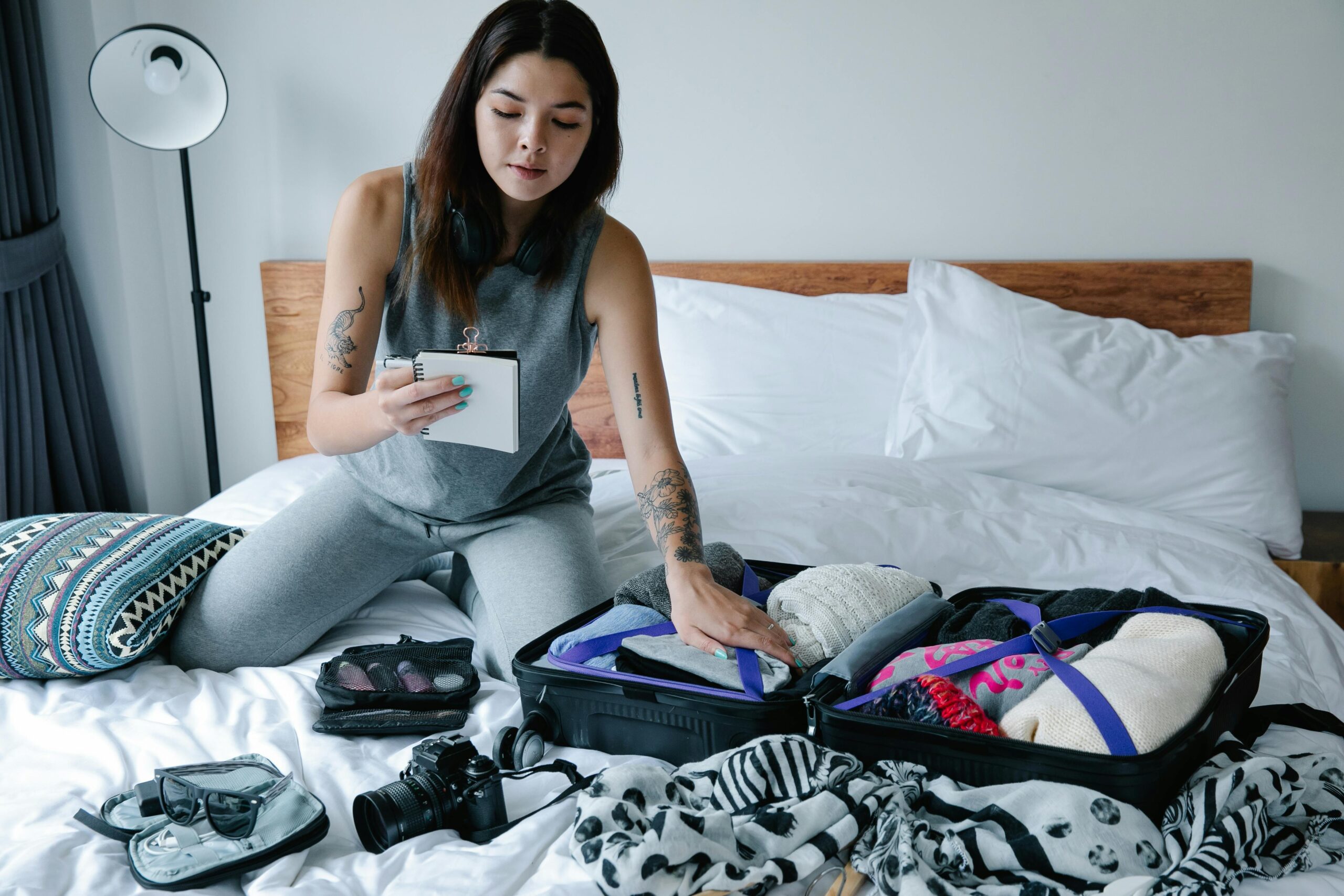
Developing a consistent packing routine eliminates last-minute forgotten items. Create a master checklist on your phone or computer that you review before every competition. Many swimmers maintain a partially packed meet bag with duplicate items that never get unpacked between competitions.
Organize equipment by category using separate bags or packing cubes. Keep nutrition items separate from wet swimwear, and store electronics in protective, waterproof containers. Clear bags facilitate quick visual inventory checks and help meet security requirements at some venues.
Pack strategically by frequency of use. Items needed immediately upon arrival should be easily accessible, while post-competition gear can be stored deeper in bags. Some swimmers use color-coded bags or labels identifying contents without opening multiple compartments.
The Night-Before Final Check: Ensuring Nothing Gets Left Behind ✅
Complete final packing the evening before competition rather than race morning. Rushed morning preparations inevitably result in forgotten essentials. Lay out everything on a clean surface, checking each item against your master list methodically.
Charge all electronic devices overnight so they’re fully powered for meet day. Fill water bottles and freeze appropriate drinks so they’re ready immediately. Prepare grab-and-go breakfast items that require no morning preparation, reducing rush and potential forgetfulness.
Set multiple alarms ensuring adequate travel time to the venue. Account for traffic, parking challenges, and warm-up time before your first event. Arriving early reduces stress and provides buffer time for unexpected complications like forgotten items you can potentially retrieve or replace.
Race Day Morning: Final Preparations and Mental Readiness 🌅
Morning routines significantly impact competition performance. Eat your tested pre-race meal at the appropriate time based on your first event. Double-check that all packed bags are loaded before leaving home—a final walk-through prevents leaving prepared items behind.
Some swimmers benefit from light stretching or movement before traveling to meets. Others prefer staying relaxed and conserving energy. Understand your personal optimal preparation routine through trial and error during less important competitions.
Use travel time for mental preparation rather than cramming physical warm-ups. Review race strategies, visualize successful performances, and listen to your carefully prepared playlist. Arrive at the venue with calm confidence, knowing your thorough preparation eliminated preventable stressors.
Mastering Meet Day Success Through Preparation Excellence 🏆
Competitive swimming success extends far beyond pool training. Meticulous pre-race packing transforms chaotic competition days into smoothly executed performances. Every item on your checklist serves a specific purpose—maintaining physical readiness, supporting mental preparation, or ensuring logistical efficiency.
The most successful swimmers recognize that controlling controllable factors creates confidence. You cannot control competitors, officiating decisions, or facility conditions, but you absolutely control your preparation quality. A comprehensive packing strategy demonstrates professionalism and commitment to excellence in every aspect of competitive swimming.
Start developing your personalized packing system today rather than waiting until the next important competition. Test different organizational methods, identify essential personal items, and refine your checklist after each meet based on experience. Your future racing self will thank you for the investment in preparation excellence.
Remember that packing checklists evolve as you gain competition experience and discover personal preferences. Junior swimmers need different items than senior competitors, and sprint specialists pack differently than distance swimmers. Continuously adapt your approach based on individual needs, competition levels, and lessons learned from previous meets.
Swimming success stems from countless small decisions made long before touching the starting block. Your pre-race packing checklist represents one of many controllable factors separating good performances from truly great ones. Embrace systematic preparation as part of your competitive identity, and watch how reduced stress translates directly into improved racing results.