
Feeling drained by midday? You’re not alone. Modern life demands constant energy, yet most of us struggle to maintain vitality throughout the day due to poor hydration and inadequate nutrition.

The connection between what you consume and how you feel is undeniable. Your body is essentially a complex machine that requires the right fuel to function optimally. Without proper hydration and nutritious foods, you’ll experience fatigue, brain fog, and decreased productivity. Understanding how to properly fuel your body isn’t complicated, but it does require awareness and consistent habits that support your energy levels from morning until night.
💧 Why Hydration Is Your Energy Foundation
Water comprises approximately 60% of your body weight and plays a crucial role in virtually every bodily function. When you’re even mildly dehydrated, your energy levels plummet, cognitive function declines, and physical performance suffers significantly.
Dehydration affects your blood volume, making your heart work harder to pump oxygen and nutrients to your organs and muscles. This extra effort translates directly into fatigue. Research shows that losing just 1-2% of your body weight through fluid loss can impair concentration, increase perceived effort during physical activities, and negatively impact mood.
Recognizing Dehydration Before It’s Too Late
Many people mistake thirst for hunger or simply ignore early warning signs. Your body sends signals long before severe dehydration sets in. Dark yellow urine is one of the most obvious indicators that you need more fluids. Other symptoms include dry mouth, headaches, dizziness, and that general feeling of sluggishness that creeps in during the afternoon.
Don’t wait until you’re thirsty to drink water. Thirst is actually a late-stage dehydration signal. By the time you feel parched, your body has already been operating in a deficit for some time, affecting your energy and mental clarity.
🥤 Smart Hydration Strategies That Actually Work
Drinking eight glasses of water daily is common advice, but your actual needs depend on numerous factors including body size, activity level, climate, and overall health. A better approach is to aim for approximately half your body weight in ounces of water each day as a baseline.
Start your morning with a large glass of water before coffee or breakfast. Your body has been fasting and dehydrating for 6-8 hours during sleep. Rehydrating first thing jumpstarts your metabolism and helps you feel more alert naturally. Keep a reusable water bottle with you throughout the day as a visual reminder to drink consistently.
Beyond Plain Water: Hydrating Foods and Beverages
You don’t need to rely solely on water for hydration. Many foods contribute significantly to your daily fluid intake. Watermelon, cucumbers, strawberries, cantaloupe, lettuce, celery, and tomatoes all contain over 90% water content. Incorporating these into your meals and snacks helps you stay hydrated while providing essential vitamins and minerals.
Herbal teas, coconut water, and even coffee in moderation contribute to hydration. While caffeine has mild diuretic properties, the fluid in coffee more than compensates for any water loss. Just avoid excessive caffeine intake, which can interfere with sleep quality and create an energy rollercoaster effect.
🍎 The Power of Proper Nutrition for Sustained Energy
Hydration alone won’t solve your energy problems if you’re fueling your body with the wrong foods. The modern diet, heavy in processed foods and simple sugars, creates dramatic blood sugar fluctuations that leave you energized one moment and crashed the next.
Complex carbohydrates, lean proteins, healthy fats, and fiber-rich foods provide steady, sustained energy throughout the day. These nutrients digest slowly, preventing the spike-and-crash cycle associated with refined sugars and processed snacks.
Building Your Energy-Boosting Plate
Every meal should include a balance of macronutrients. Think of your plate in thirds: one-third lean protein (chicken, fish, tofu, legumes), one-third complex carbohydrates (whole grains, sweet potatoes, quinoa), and one-third vegetables. Add a serving of healthy fats from sources like avocado, nuts, seeds, or olive oil.
This balanced approach stabilizes blood sugar levels and provides your body with the diverse nutrients it needs for energy production at the cellular level. Protein helps repair and build tissues, carbohydrates fuel your brain and muscles, and fats support hormone production and nutrient absorption.
⏰ Timing Your Fuel for Maximum Energy
When you eat matters almost as much as what you eat. Your body operates on circadian rhythms that influence digestion, hormone release, and energy utilization. Aligning your eating patterns with these natural cycles optimizes energy levels throughout the day.
Never skip breakfast, despite what intermittent fasting trends might suggest for everyone. A nutritious morning meal kickstarts your metabolism and provides the fuel your brain needs for focus and decision-making. Include protein to stabilize blood sugar and prevent mid-morning crashes.
Strategic Snacking for Afternoon Vitality
The notorious afternoon slump happens partly due to natural circadian dips, but poor lunch choices exacerbate the problem. Heavy, carbohydrate-rich lunches require significant digestive energy, leaving you sleepy. Opt for lighter, balanced meals during midday.
If you need an afternoon snack, choose combinations that provide both quick and sustained energy. Apple slices with almond butter, Greek yogurt with berries, or hummus with vegetables offer protein, healthy fats, and fiber that prevent energy crashes while satisfying hunger.
☕ The Truth About Caffeine and Energy Drinks
Caffeine isn’t inherently problematic, but relying on it as your primary energy source creates dependency and diminishing returns. Your body adapts to regular caffeine intake, requiring more to achieve the same alertness effect over time.
If you enjoy coffee or tea, consume them strategically. Avoid caffeine first thing in the morning when cortisol levels naturally peak. Instead, wait 60-90 minutes after waking for maximum effectiveness. Cut off caffeine consumption at least 6 hours before bedtime to protect sleep quality.
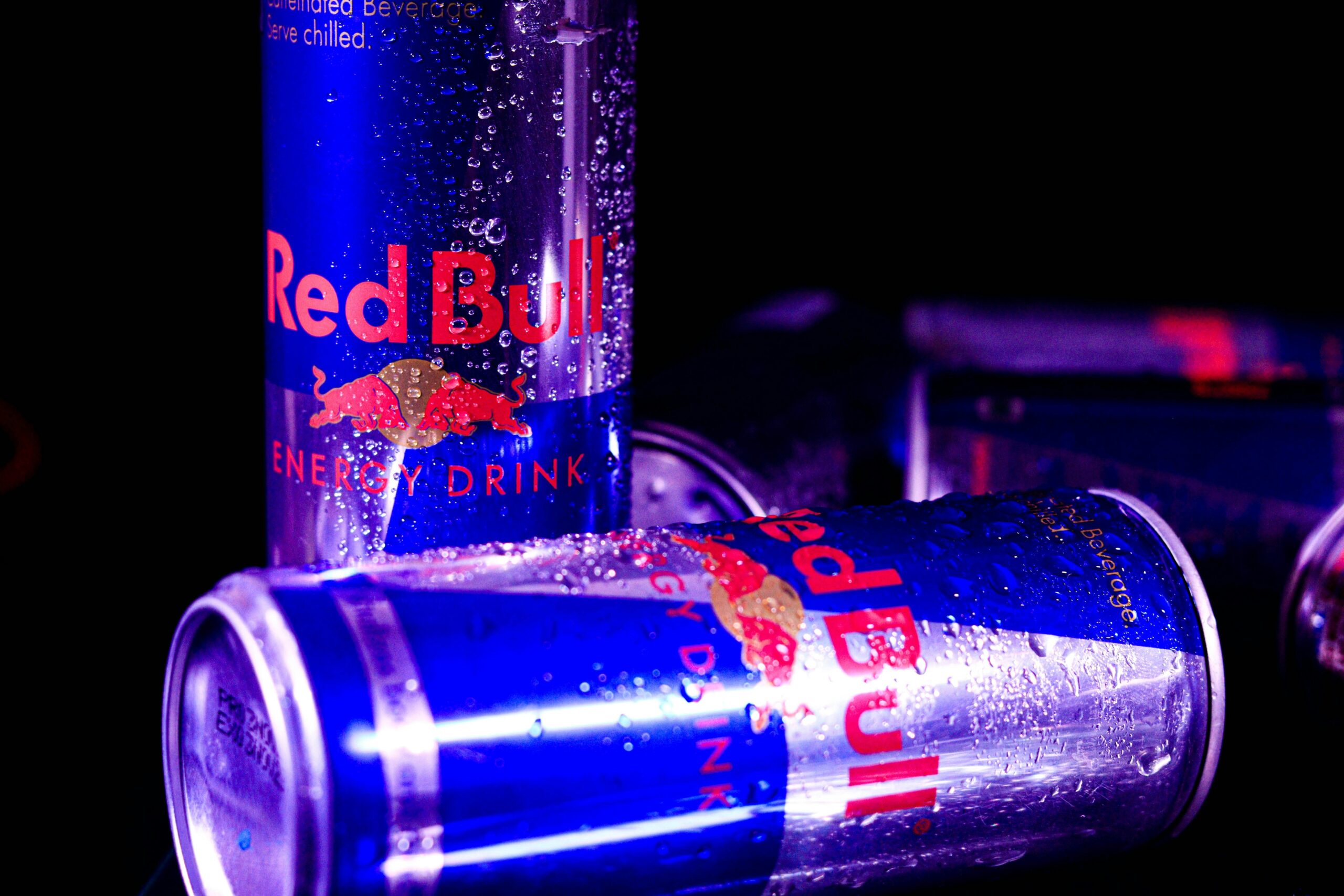
Energy drinks pose more significant concerns due to extremely high caffeine content combined with excessive sugars or artificial sweeteners. The temporary boost comes with harsh crashes and potential health risks including heart palpitations, anxiety, and sleep disruption.
🏃 Movement: The Surprising Energy Multiplier
It seems counterintuitive, but expending energy through physical activity actually generates more energy. Exercise increases oxygen circulation, releases endorphins, improves sleep quality, and enhances overall metabolic function. Regular movement is one of the most effective natural energy boosters available.
You don’t need intense gym sessions to reap these benefits. A 20-minute walk during lunch, taking stairs instead of elevators, or doing quick stretching sessions throughout the day significantly impacts energy levels. Movement breaks are especially important if you work at a desk, where prolonged sitting reduces circulation and contributes to fatigue.
Energizing Exercise Without Exhaustion
The key is finding your sweet spot—enough activity to invigorate without overtaxing your body. Moderate-intensity activities like brisk walking, cycling, swimming, or yoga classes provide energy benefits without requiring excessive recovery time.
Morning exercise can set a positive, energized tone for your entire day. However, evening workouts help some people decompress and sleep better. Experiment to discover what timing works best for your schedule and energy patterns.
😴 Sleep: The Ultimate Energy Reset
No amount of healthy eating or hydration can compensate for chronic sleep deprivation. During sleep, your body repairs tissues, consolidates memories, regulates hormones, and recharges for the next day. Consistently getting 7-9 hours of quality sleep is non-negotiable for sustained energy.
Create a sleep-conducive environment by keeping your bedroom cool, dark, and quiet. Establish a consistent sleep schedule, even on weekends, to regulate your circadian rhythm. Avoid screens for at least an hour before bed, as blue light suppresses melatonin production and delays sleep onset.
📱 Technology Tools for Tracking Hydration and Nutrition
Modern technology offers helpful tools for building better hydration and nutrition habits. Hydration reminder apps send notifications throughout the day, helping you maintain consistent fluid intake. Many allow you to log different beverages and track your progress toward daily goals.
Nutrition tracking apps help you understand exactly what you’re eating, revealing patterns you might not otherwise notice. While you don’t need to track every meal forever, doing so for a few weeks provides valuable insights into your dietary habits and areas for improvement.
🧘 Stress Management for Energy Conservation
Chronic stress is an enormous energy drain. When you’re constantly in fight-or-flight mode, stress hormones like cortisol remain elevated, disrupting sleep, digestion, and energy production. Managing stress isn’t optional if you want consistent vitality.
Incorporate stress-reduction practices into your daily routine. Meditation, deep breathing exercises, journaling, time in nature, or engaging in hobbies all help lower stress hormones and preserve energy. Even five minutes of focused breathing can reset your nervous system and restore mental clarity.
The Mind-Body Energy Connection
Your thoughts and emotions directly impact physical energy. Negative thinking patterns, worry, and rumination are mentally exhausting and translate into physical fatigue. Practicing gratitude, maintaining social connections, and engaging in activities that bring joy all contribute to higher energy levels.
Your mindset toward energy itself matters too. Believing you’re an energetic person and expecting to feel vital throughout the day can become a self-fulfilling prophecy. Your expectations influence behaviors, which then reinforce those expectations in a positive cycle.
🌟 Creating Your Personalized Energy Plan
Everyone’s optimal energy strategy looks slightly different based on individual factors like age, activity level, health conditions, and lifestyle demands. The key is experimenting with various approaches and paying attention to how your body responds.
Start by addressing the fundamentals: hydration, balanced nutrition, adequate sleep, and regular movement. Once you’ve established these foundation habits, fine-tune based on your unique needs. Some people thrive on three meals daily, while others prefer smaller, more frequent eating occasions.
Tracking What Works for You
Keep a simple energy journal for two weeks. Note what you eat and drink, when you consume it, your activity level, sleep quality, and energy levels throughout the day. Patterns will emerge showing which behaviors boost your energy and which drain it.
This personalized data is more valuable than generic advice because it’s based on your actual experience. You might discover that certain foods consistently cause afternoon crashes, or that morning workouts leave you feeling energized all day.
🎯 Small Changes, Big Energy Results
Transforming your energy levels doesn’t require a complete lifestyle overhaul. Small, consistent changes compound over time into significant results. Start with one or two strategies that feel most manageable and build from there.
Perhaps you begin by simply drinking a glass of water upon waking and another before each meal. Or maybe you commit to a 10-minute walk after lunch. These seemingly minor adjustments create momentum and confidence for additional healthy changes.
Remember that progress isn’t linear. Some days you’ll feel amazing, and others you’ll struggle despite doing everything right. That’s normal. The goal is creating sustainable habits that support consistent energy most of the time, not perfection every single day.
Your body is remarkably responsive to the care you provide. By prioritizing hydration, eating nutrient-dense foods, moving regularly, managing stress, and getting adequate sleep, you’re investing in the most valuable asset you have—your health and vitality. The energy you cultivate through these practices enables you to show up fully in your relationships, career, and personal pursuits, making every day more productive and enjoyable. Start today with one simple change, and watch as your energy levels transform your entire life experience. 💪