Every surfer knows that feeling: the sun is shining, the waves are calling, and you’re ready to paddle out for an epic session. But before you rush into the water, taking time to check your wetsuit and gear can make the difference between a fantastic day and a potentially dangerous situation.

Whether you’re a seasoned wave rider or just starting your surfing journey, proper equipment maintenance and pre-surf checks are essential for both safety and performance. The ocean is unpredictable, and your gear is your first line of defense against cold water, potential injuries, and equipment failures that could cut your session short or put you at risk.
🏄 Why Pre-Surf Gear Checks Matter More Than You Think
Many surfers underestimate the importance of systematic gear inspection before hitting the waves. A small tear in your wetsuit might seem insignificant in the parking lot, but once you’re out in cold water for an hour, that tiny rip becomes a freezing waterway that can lead to hypothermia. Similarly, a loose leash attachment or damaged fin can create serious safety hazards when you’re in the impact zone.
Professional surfers and water safety experts universally agree that preventative equipment checks should be as routine as waxing your board. These inspections take only a few minutes but can prevent hours of discomfort, expensive repairs, or worse—medical emergencies. By developing a consistent pre-surf ritual that includes thorough gear examination, you’re investing in longer-lasting equipment and safer surfing experiences.
The Complete Wetsuit Inspection Protocol 🤿
Your wetsuit is arguably your most important piece of surf equipment after your board. It regulates your body temperature, provides buoyancy, and offers protection from the elements. Here’s how to ensure it’s surf-ready before every session.
Checking Seams and Stitching
Start your inspection at the seams, where most wetsuit failures occur. Run your fingers along all seam lines, paying special attention to high-stress areas like shoulders, armpits, and the crotch region. Look for any separation, loose threads, or areas where the stitching appears to be pulling apart. Even minor seam damage can quickly worsen once exposed to saltwater and physical stress.
Blindstitched and taped seams should show no signs of peeling tape or exposed stitching. If you notice any issues, these can often be repaired with wetsuit cement or neoprene tape before they become major problems. Don’t ignore small separations—they grow exponentially larger with each surf session.
Neoprene Integrity Assessment
Hold your wetsuit up to the light and look for thin spots or areas where the neoprene appears compromised. Check around the knees, elbows, and chest area where contact with the board is most frequent. These high-wear zones naturally thin over time, but excessive wear means reduced insulation and impending tears.
Flexibility is another key indicator of neoprene health. Stretch the material gently in various directions—it should return to its original shape smoothly without staying deformed. Stiff, brittle neoprene that has lost its elasticity won’t provide adequate flexibility for paddling and won’t insulate effectively.
Zipper and Closure Systems
Test all zippers multiple times before your session. Back zippers, chest zips, and arm/leg zippers should glide smoothly without catching or sticking. Apply zipper lubricant or beeswax if movement feels rough. Check the zipper flap for proper seal—this prevents water flushing, which defeats the wetsuit’s thermal properties.
For zip-free suits with overhead entry, inspect the neck seal for tears or excessive stretching. These seals should fit snugly without being uncomfortably tight. Velcro closures should still grip firmly; if they’ve lost their hold, they may need replacement or reinforcement.
Essential Leash Safety Checks 🔗
Your surf leash is a critical safety device that keeps your board from becoming a dangerous projectile and prevents you from being separated from your flotation device in strong currents. Never compromise on leash inspection.
Cord Condition and Wear Patterns
Examine the entire length of your leash cord for cuts, nicks, or areas of excessive wear. Pay particular attention to the section that wraps around your ankle or calf, as this area experiences constant friction. The urethane cord should be smooth and consistent in diameter throughout—any thin spots or rough areas indicate it’s time for replacement.
Test the cord’s elasticity by stretching it gently. It should extend smoothly and return to its coiled shape without remaining stretched. A leash that has lost its elasticity won’t perform properly during wipeouts and may snap under stress.
Swivel Functionality
The swivels at both ends of your leash prevent tangling and are crucial for safety. Spin each swivel to ensure smooth, unrestricted rotation. Any grinding, sticking, or rough movement suggests internal corrosion or sand buildup. Rinse swivels thoroughly with fresh water and apply a small amount of silicone lubricant if needed.
Check the connections between swivels and the leash cord. These attachment points endure tremendous force during wipeouts, and any signs of separation or weakening mean immediate replacement is necessary.
Rail Saver and Ankle Cuff Inspection
The rail saver protects your board from damage during pulls and impacts. Examine the velcro strap and the padded section for wear, ensuring the velcro still grips securely and the padding isn’t compressed or torn. The string connection to your board should be in perfect condition—this is literally the link between you and your board.
Your ankle cuff should fit comfortably with secure velcro closure. Check the neoprene padding for compression damage or tears, and ensure the key pocket (if present) closes properly. A loose ankle cuff can slip off during intense wipeouts, defeating the entire purpose of wearing a leash.
Board Maintenance: The Foundation of Your Session 🏄♂️
Even the most skilled surfer can’t perform well on a poorly maintained board. Regular inspection prevents equipment failure and helps identify potential issues before they ruin your day.
Structural Integrity Check
Run your hands over the entire surface of your board, feeling for soft spots that might indicate water intrusion or delamination. Press gently on the deck and rails—the board should feel uniformly firm. Any spongy areas suggest the foam core has absorbed water and requires immediate repair to prevent further damage.
Inspect the nose, tail, and rails closely for dings, cracks, or pressure dents. Even hairline cracks can allow water penetration, which adds weight and compromises structural integrity. Address all damage with proper repair materials or take your board to a professional ding repair specialist before surfing.
Fin System Verification
Whether you use FCS, Futures, or longboard box systems, ensure all fins are properly secured before entering the water. For removable fin systems, check that grub screws are tightened adequately (but not over-tightened, which can strip threads). Wiggle each fin to confirm there’s no movement in the boxes.
Examine fins for cracks, chips, or sharp edges that could cause injury. The fin bases should sit flush with the board’s surface without gaps. Any looseness in the fin boxes themselves may require professional repair, as fins that release during surfing create dangerous situations and lost equipment.
Wax and Traction Pad Condition
Good traction is essential for control and safety. Your wax job should provide adequate grip without being so built up that it creates an uneven surface. If the wax has become dirty, smooth, or unresponsive, scrape it off and apply fresh layers appropriate to the water temperature.
Traction pads should be firmly adhered with no lifted corners or edges that could catch your foot. Check the kick tail and arch for wear—if the texture has worn smooth, the pad won’t provide adequate grip and may need replacement.
Additional Safety Gear Essentials 🛡️
Beyond the basics, several other pieces of equipment contribute to a safe and enjoyable surf session. Don’t overlook these important items.
Surf Booties and Gloves
If you surf in cold water, check your booties for holes, particularly in the sole and toe areas. Split seams in booties lead to painfully cold feet that can cut your session short and potentially cause numbness that affects your ability to paddle safely back to shore. Ensure the ankle closures seal properly to prevent water flushing.
Neoprene gloves should maintain flexibility and have intact seams. Test the grip on your palms—worn-through material reduces your ability to hold onto your board during duck dives and paddling.
Hood Inspection for Cold Water Sessions
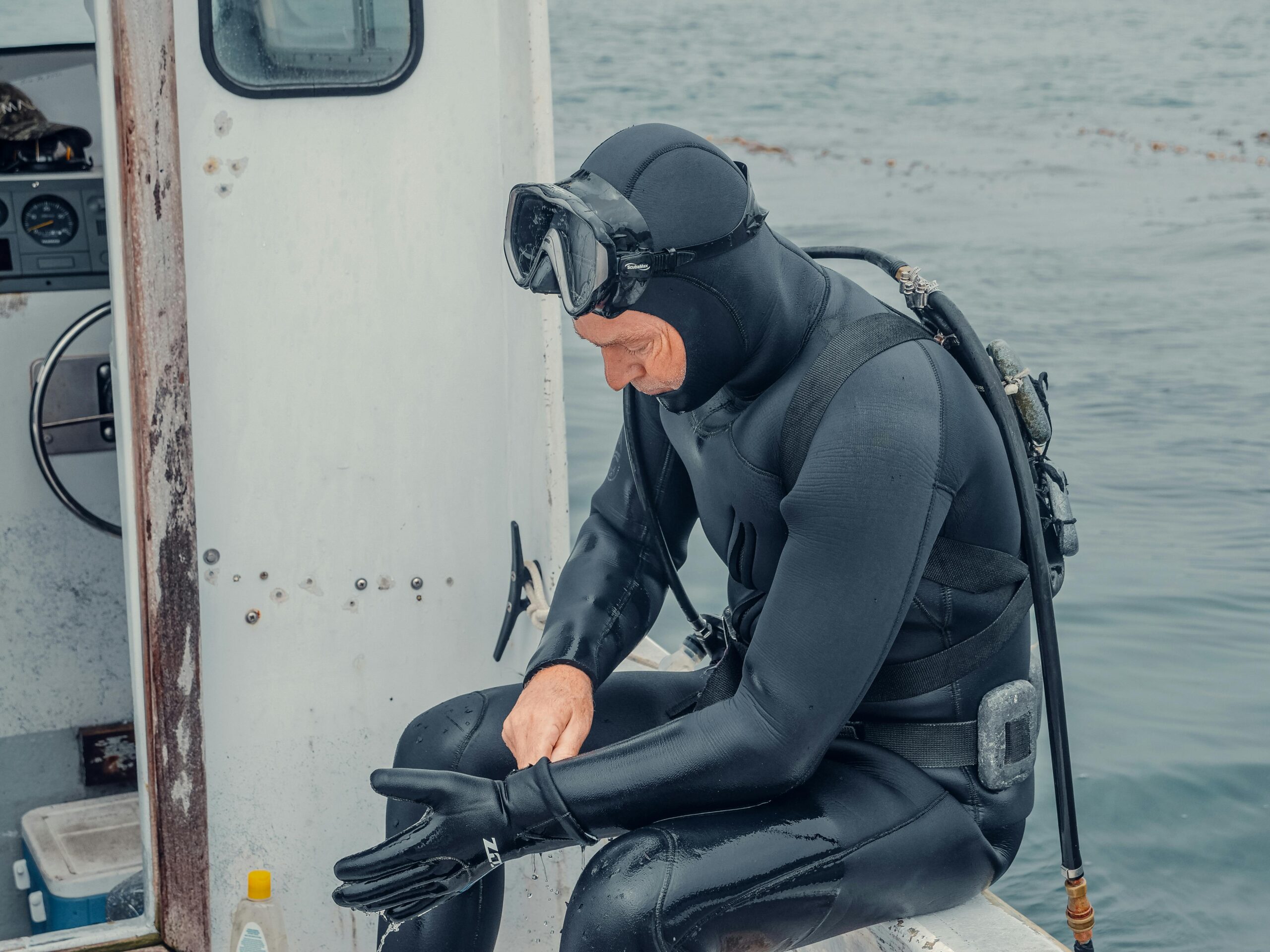
Hoods protect against hypothermia by maintaining head warmth where significant heat loss occurs. Check the neck seal for tears and ensure the hood fits snugly without restricting breathing or vision. The chinstrap should secure comfortably without choking, and the bib should tuck properly inside your wetsuit to prevent water entry.
Impact Vests and Flotation Devices
For those surfing bigger waves or who want extra protection, impact vests should be inspected for compromised foam padding and secure fastening systems. All straps should be in good condition, and the vest should fit snugly without restricting movement. Ensure any flotation elements are properly sealed and haven’t been punctured.
Creating Your Pre-Surf Checklist System ✅
Developing a consistent routine ensures you never miss critical safety checks. Here’s a practical approach to systematic gear inspection:
- Conduct a detailed monthly inspection of all equipment, documenting any wear or damage
- Perform a quick visual check before every surf session, even if you surfed the day before
- Keep a repair kit in your car with wetsuit cement, duct tape, spare fins, and a leash
- Rinse all gear with fresh water after every session to prevent salt and sand damage
- Store equipment properly—hang wetsuits on wide hangers, keep boards in bags or racks
- Replace critical safety items like leashes annually or after any questionable incident
- Document your equipment’s age and usage to anticipate replacement needs
Weather and Water Conditions Assessment 🌊
Equipment checks are only part of surf safety. Understanding current conditions helps you determine if your gear is appropriate for the session ahead.
Check surf forecasts, water temperature, wind conditions, and tide charts before heading out. Ensure your wetsuit thickness matches the water temperature—a 3/2mm suit won’t provide adequate protection in 50-degree water, regardless of its condition. Consider whether current conditions exceed your skill level or equipment capabilities.
Look for warning signs like rip current alerts, marine life warnings, or hazardous surf advisories. Even with perfectly maintained equipment, some conditions simply aren’t worth the risk. Smart surfers know when to sit one out and wait for better conditions.
Post-Session Equipment Care for Longevity 🧼
Proper post-surf maintenance extends equipment life and ensures your gear is ready for the next session. Immediately after surfing, rinse everything thoroughly with fresh water, paying special attention to zippers, velcro, and fin boxes where salt and sand accumulate.
Hang your wetsuit inside-out initially to dry the interior, then flip it to dry the outside. Never leave neoprene in direct sunlight or hot cars, as excessive heat degrades the material. Store your wetsuit on a wide hanger to prevent shoulder creasing and maintain shape.
Inspect your board again after each session—new dings can occur that weren’t present before. Address any damage immediately before water penetration causes more extensive problems. Remove wax buildup regularly and check that your leash and fins remain secure.
When to Repair Versus Replace Your Gear 🔧
Knowing when equipment has reached the end of its serviceable life is crucial for safety. Small wetsuit tears can be patched, but extensive seam failure or severely compressed neoprene means it’s time for a new suit. A general rule: if repairs cost more than 40% of replacement value, invest in new gear instead.
Leashes should be replaced at the first sign of cord damage or after any incident where the leash was severely stressed. This isn’t an area to economize—leashes are relatively inexpensive compared to the safety they provide. Boards can often be repaired unless structural damage is severe, but don’t surf on a compromised board while waiting for repairs.
Listen to your equipment. If something doesn’t feel right or looks questionable, trust your instincts. The ocean demands respect, and proper equipment maintenance is part of that respect—for the waves, for other surfers, and for your own safety.
Building Smart Surf Habits for Long-Term Safety 🎯
The most experienced watermen and waterwomen share a common trait: they never compromise on equipment checks and safety protocols. This mindset doesn’t develop overnight but becomes ingrained through consistent practice and awareness.
Make gear inspection as automatic as checking your car’s mirrors before driving. Create a mental checklist that runs through wetsuit, leash, board, and conditions every single time. Share safety knowledge with fellow surfers, especially beginners who may not understand the importance of proper equipment maintenance.
Document your equipment’s history—when purchased, how frequently used, and any repairs or issues. This information helps you anticipate replacement needs and identify patterns that might indicate usage problems or manufacturing defects.
Remember that conditions change throughout your session. What seemed like a manageable swell in the morning may build through the afternoon. Always maintain awareness of your surroundings, your physical state, and your equipment’s performance. If something feels off with your gear mid-session, don’t hesitate to head in and address it rather than pushing through and risking injury or equipment failure.
The ocean will always be there tomorrow. Prioritizing safety and proper equipment maintenance ensures you’ll be there too, ready for countless more epic sessions. Every minute spent on thorough gear checks is an investment in longer equipment life, better performance, and most importantly, your safety in an environment that, while beautiful and exhilarating, demands constant respect and preparation.