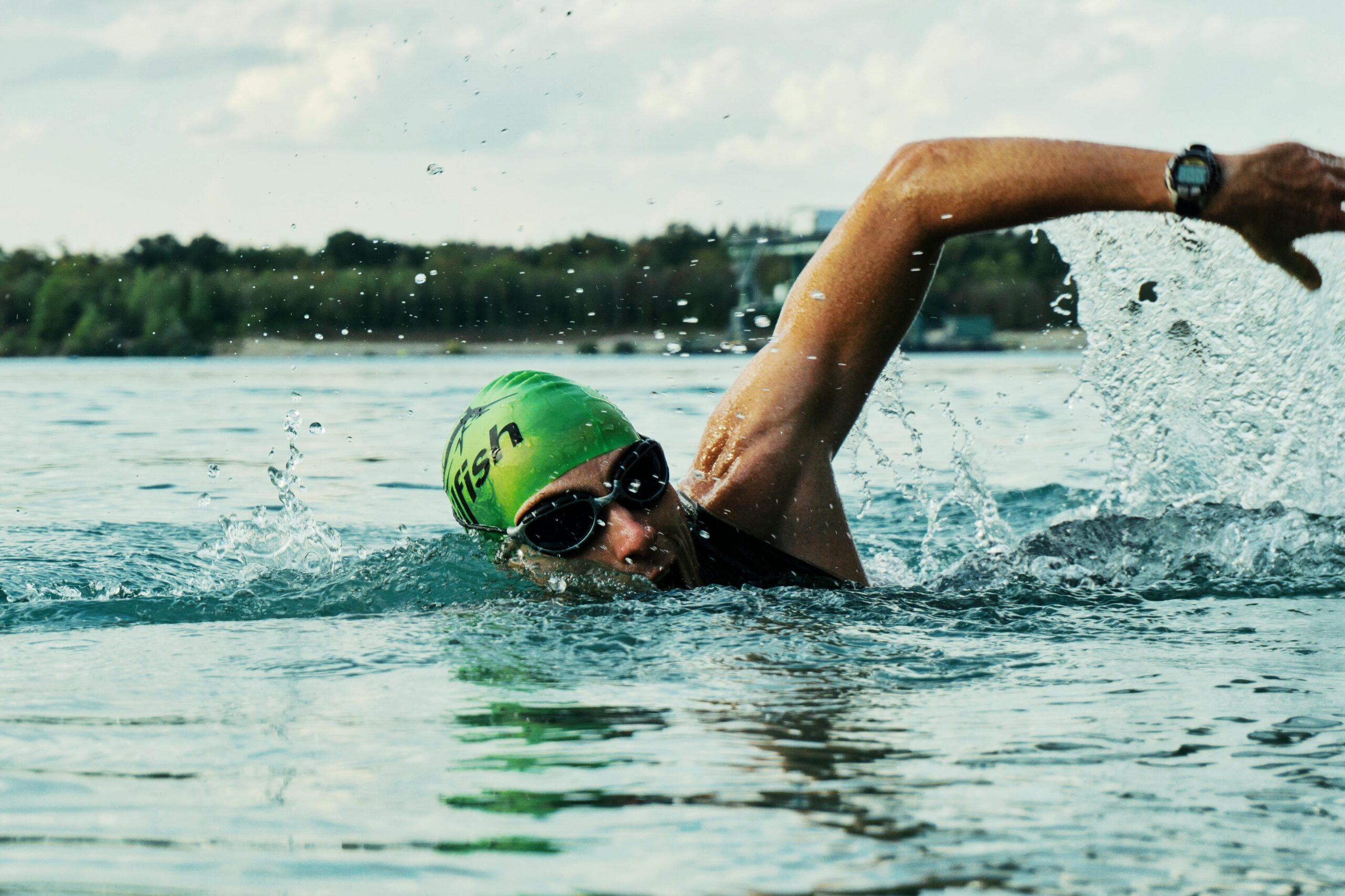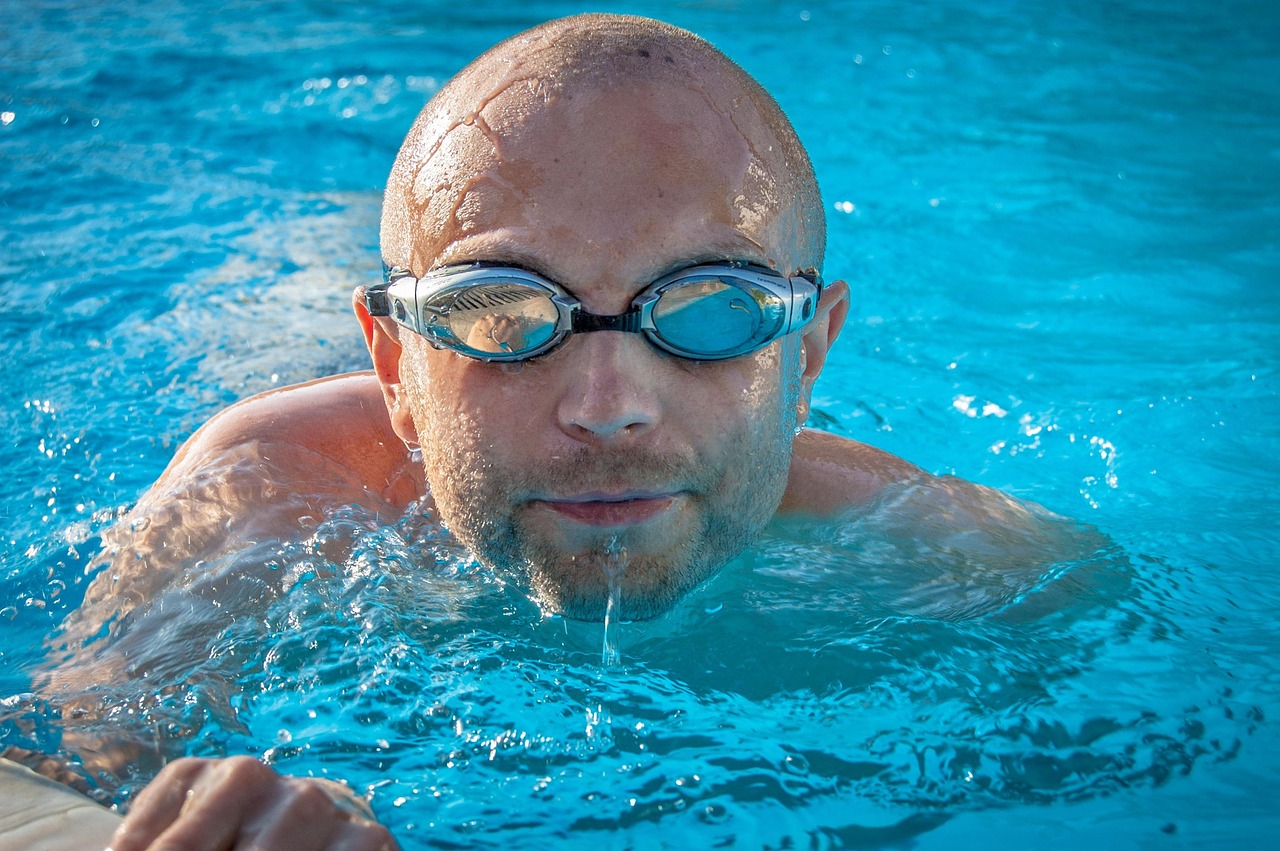
Open-water swimming races offer an exhilarating experience that combines athletic challenge with the raw beauty of nature. Whether you’re competing in a lake, ocean, or river event, proper preparation and safety awareness can mean the difference between a triumphant finish and a dangerous situation.

The unpredictable nature of open water presents unique challenges that pool swimmers rarely encounter. From changing currents and limited visibility to temperature fluctuations and marine life, open-water races demand respect, preparation, and a solid understanding of safety protocols that every participant must master before diving in.
🌊 Understanding the Open-Water Environment
Open-water swimming differs dramatically from pool environments. The absence of lane lines, pool walls, and clear water creates a completely different athletic experience. Understanding these environmental factors is your first line of defense against potential hazards.
Water temperature varies significantly depending on location and season. Cold water can trigger hypothermia, while warmer conditions may lead to overheating inside your wetsuit. Most competitive open-water races occur in temperatures between 60°F and 78°F, but conditions can change rapidly.
Currents, waves, and tides add complexity to navigation and pacing strategies. What feels like a manageable swim in calm conditions can become exhausting when fighting against strong currents. Researching the specific water body where your race takes place provides valuable insights into what to expect on race day.
Assessing Water Conditions Before Race Day
Conducting reconnaissance visits to the race location allows you to familiarize yourself with entry and exit points, depth variations, and typical water conditions. Many experienced open-water swimmers recommend practicing in similar conditions weeks before the actual event.
Check weather forecasts and water temperature reports regularly in the days leading up to your race. Sudden storms or temperature drops may require adjustments to your gear selection and race strategy. Some races provide real-time condition updates through their official channels.
🏊♀️ Essential Pre-Race Preparation
Proper preparation extends far beyond physical training. Mental readiness, equipment checks, and understanding race-specific rules form the foundation of a safe open-water swimming experience.
Your training regimen should include open-water practice sessions, not just pool workouts. The psychological adjustment to swimming without visual references and in potentially murky water requires gradual acclimatization. Start with shorter open-water swims in supervised areas before attempting longer distances.
Building Open-Water Swimming Skills
Sighting technique stands as one of the most critical skills for open-water swimmers. Unlike pool swimming where black lines guide your path, open water requires frequent head lifts to check your direction. Practice bilateral breathing and forward sighting during training to maintain course without excessive zigzagging.
Treading water efficiently provides a valuable safety skill when you need to pause, adjust equipment, or simply catch your breath. Don’t view stopping as failure—experienced open-water swimmers know when to take brief breaks to maintain overall performance and safety.
Mass start navigation requires special attention. The chaotic first minutes of an open-water race involve hundreds of swimmers competing for position. Practicing contact swimming with training partners helps you stay calm when bumped or accidentally kicked during the race.
🛟 Safety Gear and Equipment Essentials
Proper equipment selection directly impacts your safety and performance. While minimalism appeals to some swimmers, certain gear items should never be optional in open-water races.
Brightly colored swim caps increase your visibility to safety personnel, boats, and other swimmers. Most races provide official caps, but consider wearing a second brightly colored cap underneath if conditions involve significant boat traffic or if you’re a slower swimmer who might be in the water longer.
Wetsuit Selection and Fit
Wetsuits provide buoyancy, thermal protection, and some swimmers find they improve body position in the water. However, poorly fitting wetsuits can restrict breathing, cause chafing, or create anxiety from feeling constricted. Always test your wetsuit during training swims before race day.
Wetsuit rules vary by race organization and water temperature. USA Triathlon, for example, prohibits wetsuits in water warmer than 78°F for competitive categories but allows them up to 84°F for non-competitive participants. Know your race’s specific regulations well in advance.
Additional Safety Equipment
Swim buoys have gained popularity among open-water swimmers for providing visibility and emergency flotation. These inflatable devices attach to your waist and trail behind you, causing minimal drag while offering a place to rest if needed. Some races require them for all participants.
Anti-fog spray or defog solution for goggles prevents the frustrating and potentially dangerous situation of swimming blind. Apply treatment before entering the water and carry a backup pair of goggles if the race allows support equipment.
Ear plugs designed for swimming help prevent vertigo and infection, particularly in colder water. Temple water trapped in your ears can affect balance and spatial orientation, creating discomfort that distracts from proper technique and awareness.
⚠️ Race Day Safety Protocols
The morning of your open-water race sets the tone for your entire experience. Arriving early, warming up properly, and following established safety procedures reduces risk significantly.
Check in with race officials and ensure you understand all safety briefing information. Pay attention to course markers, cutoff times, water hazards, and emergency procedures. Ask questions if anything remains unclear—race organizers want you to finish safely.
Pre-Race Physical Preparation
Warm-up swimming acclimates your body to water temperature and helps prevent cold water shock, which can trigger involuntary gasping and hyperventilation. Spend at least 10-15 minutes in the water before your start time, gradually increasing intensity.
Apply lubricant to areas prone to chafing, including your neck, underarms, and anywhere your wetsuit might rub. Saltwater and repeated motion over long distances can cause significant skin irritation that becomes painful and distracting.
Hydrate and eat appropriately before your race, but avoid consuming large amounts immediately before entering the water. Nausea and cramping become more likely when swimming on a full stomach, especially in choppy conditions.
Understanding Race Communication Systems
Learn the universal distress signal used in your race—typically raising one arm straight overhead and waving. If you need assistance, make this signal clearly and remain as calm as possible while help arrives. Safety kayakers and support boats monitor swimmers constantly.
Many races use colored flags or buoys to indicate different zones or hazards. Yellow flags might indicate caution areas, while red flags signal dangerous conditions or course boundaries. Familiarize yourself with the specific flag system used in your event.
🧭 Navigation and Course Management
Staying on course efficiently conserves energy and prevents the frustration of swimming extra distance. Effective navigation combines physical sighting skills with strategic thinking about course layout and conditions.
Sight more frequently in the first portion of the race when crowds make following others unreliable. As the field spreads out, you can sight less often, but never become complacent about checking your direction. Even experienced swimmers drift off course without regular confirmation.
Using Natural and Artificial Landmarks
Identify prominent landmarks beyond the immediate course markers during your warm-up swim. Buildings, mountains, distinctive trees, or structures provide reliable reference points that don’t disappear in wave troughs like buoys sometimes do.
Swimming directly toward the sun creates visibility challenges. In these situations, use landmarks offset from the sun’s position or draft behind other swimmers temporarily while you navigate through difficult viewing conditions.
Current and wind can push swimmers off course systematically. If you notice consistent drift, aim slightly into the current direction to compensate, similar to how pilots adjust for crosswinds. This technique, called “crabbing,” maintains your intended path more efficiently.
💪 Managing Physical and Mental Challenges
Open-water races test both physical endurance and mental resilience. Developing strategies to handle unexpected challenges keeps you safe and moving forward even when conditions become difficult.
Panic represents the greatest psychological threat during open-water swimming. If you feel anxiety rising, flip onto your back, focus on controlled breathing, and remind yourself that you’ve trained for this experience. Most races allow back stroke or any swimming style.
Recognizing and Responding to Cramping
Muscle cramps can strike suddenly in open water, often triggered by cold, dehydration, or overexertion. When cramping occurs, slow your pace immediately, stretch the affected muscle gently, and consider switching to a different stroke temporarily to use different muscle groups.
Calf cramps particularly affect open-water swimmers wearing fins or using powerful kicks. If cramping becomes severe and won’t subside, signal for assistance rather than fighting through pain that could lead to more serious injury or exhaustion.
Dealing with Marine Life and Natural Obstacles
Most marine life poses minimal threat to swimmers and will avoid contact. Jellyfish represent the most common concern in saltwater races. If stung, remain calm and continue swimming if possible—most stings cause temporary discomfort rather than dangerous reactions.
Underwater vegetation, rocks, and debris require caution, particularly near shore during entry and exit. Take extra care in shallow water, potentially switching to walking or carefully swimming with your head up to avoid hazards.
🚨 Emergency Situations and Response
Understanding proper emergency procedures ensures you can help yourself and fellow swimmers if serious situations arise. While race organizers provide comprehensive safety support, personal awareness remains crucial.
Hypothermia symptoms include uncontrollable shivering, confusion, slurred speech, and loss of coordination. If you experience these signs, exit the water immediately or signal for assistance. Don’t attempt to “push through” hypothermia—it represents a medical emergency.
Recognizing Swimmer Distress
If you notice another swimmer in apparent distress—thrashing, making no forward progress, or appearing panicked—alert the nearest safety personnel immediately. Don’t attempt a rescue yourself unless you’re trained in water rescue techniques, as panicked swimmers can endanger rescuers.
Some races implement a buddy system or small group swimming arrangements. If your race uses this format, maintain awareness of your designated partners and communicate any concerns to safety staff promptly.
🏁 Safe Exit and Post-Race Considerations
The race doesn’t end when you reach the finish line. Proper exit technique and immediate post-race care prevent injuries and complications after your swimming effort concludes.
Approach the swim exit cautiously, especially if it involves rocky beaches, boat ramps, or steep banks. Stand up gradually when water reaches knee depth, as sudden position changes can cause dizziness after extended horizontal swimming.
Managing Post-Swim Physical Effects
Afterdrop occurs when cold blood from your extremities returns to your core after exiting cold water, potentially causing your core temperature to drop further. Dry off immediately, change into warm clothes, and consume warm beverages to aid recovery.
Take time to rehydrate and refuel after finishing. The combination of exertion, possible saltwater consumption, and environmental exposure requires careful attention to recovery nutrition and fluid replacement.
Monitor yourself for delayed reactions including nausea, headaches, or unusual fatigue in the hours following your race. While most swimmers recover quickly, occasionally symptoms of overexertion or environmental exposure appear later.
📱 Technology and Safety Apps for Open-Water Swimming
Modern technology offers valuable tools for enhancing open-water swimming safety. GPS tracking devices, swimming-specific watches, and safety apps provide additional security layers for training and racing.
Several smartphone applications offer features specifically designed for open-water swimmers, including GPS tracking that friends or family can monitor, emergency contact alerts, and route planning capabilities. These tools prove particularly valuable during solo training swims.
Waterproof fitness trackers and swimming watches with GPS functionality allow you to analyze your swim path, pace, and distance after training sessions. Reviewing this data helps identify navigation patterns and areas for improvement before race day.
🌟 Building Your Open-Water Swimming Community
Connecting with experienced open-water swimmers provides invaluable knowledge, training opportunities, and enhanced safety through group swimming practices. Many areas have organized open-water swimming clubs or informal groups that welcome swimmers of all abilities.
Training with others offers multiple safety benefits including immediate assistance if problems arise, motivation to maintain consistent practice, and shared knowledge about local conditions and effective techniques. Never underestimate the value of community in developing open-water skills.
Experienced swimmers often mentor newcomers, sharing insights about specific race venues, effective equipment choices, and mental strategies that only come from years of open-water experience. Seek out these relationships and don’t hesitate to ask questions.
🎯 Final Thoughts on Open-Water Race Safety
Open-water swimming races offer profound rewards that extend beyond simple athletic achievement. The connection with nature, the test of self-reliance, and the camaraderie among participants create memorable experiences that pool swimming cannot replicate.
Your safety in these events depends primarily on your own preparation, awareness, and willingness to respect the power of open water. By following established safety protocols, using appropriate equipment, and maintaining honest assessment of your abilities and conditions, you maximize both safety and enjoyment.
Remember that completing the race safely always takes priority over finishing times or competitive placement. Every open-water swimmer, from beginners to elite athletes, faces moments of challenge and uncertainty. Your response to those moments—staying calm, following your training, and asking for help when needed—defines successful open-water swimming.
Continue developing your skills through consistent practice, learn from each race experience, and never stop respecting the dynamic environment that makes open-water swimming so uniquely challenging and rewarding. Stay safe, swim strong, and embrace the adventure that awaits in open water! 🏊♂️💙