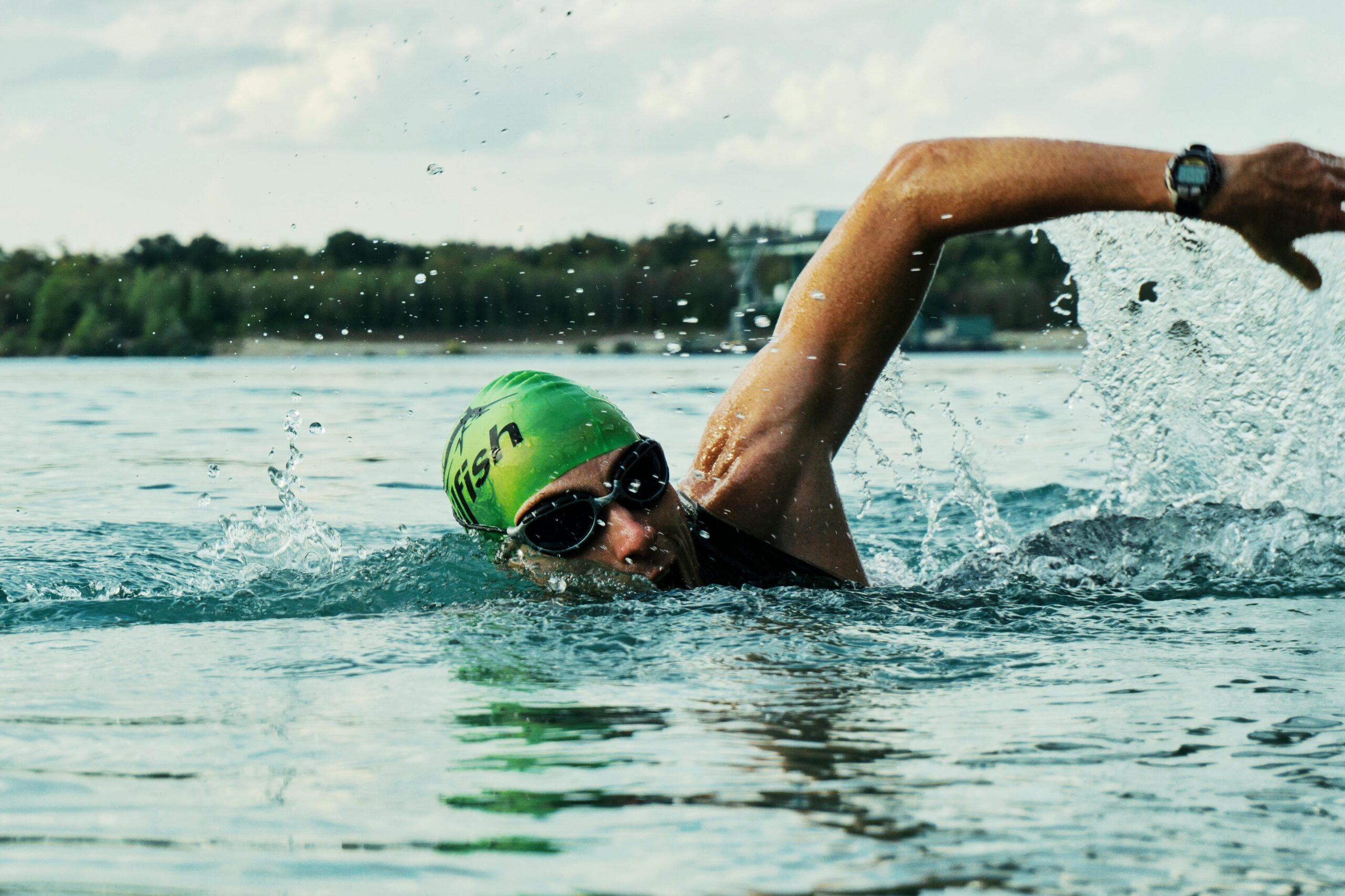
Swimming is one of the most comprehensive cardiovascular workouts available, but even the most dedicated swimmers can benefit from stepping out of the pool. Cross-training offers swimmers unique advantages that water-based training alone cannot provide.

By incorporating diverse training methods into your routine, you’ll address muscular imbalances, prevent overuse injuries, and develop the strength, endurance, and flexibility needed to propel yourself through the water more efficiently. The strategic combination of land-based exercises with your swimming program creates a synergistic effect that elevates performance beyond what pool training alone can achieve.
🏋️ Strength Training: Building Power for Every Stroke
Strength training forms the foundation of effective cross-training for swimmers. While swimming builds muscular endurance, targeted resistance work develops the explosive power necessary for starts, turns, and race finishes. This complementary approach transforms your body into a more efficient swimming machine.
Focus on compound movements that engage multiple muscle groups simultaneously. Deadlifts, squats, and pull-ups mirror the multi-joint coordination required in swimming. These exercises strengthen the posterior chain—your back, glutes, and hamstrings—which generates propulsion during every stroke cycle.
Upper Body Strength for Powerful Pulls
Your pulling power determines how effectively you move through the water. Incorporate lat pulldowns, bent-over rows, and dumbbell bench presses into your routine twice weekly. These exercises target the latissimus dorsi, deltoids, and pectorals—the primary movers in freestyle, backstroke, butterfly, and breaststroke.
Don’t neglect rotator cuff strengthening. Swimmers are particularly vulnerable to shoulder injuries due to the repetitive overhead motion. External and internal rotation exercises with resistance bands maintain shoulder joint integrity and prevent the dreaded swimmer’s shoulder syndrome.
Core Stability for Streamlined Body Position
A strong core maintains the horizontal body position that minimizes drag. Planks, Russian twists, and medicine ball rotations develop the abdominal and oblique muscles responsible for body rotation during breathing and stroke mechanics.
Include anti-rotation exercises like Pallof presses to build resistance against unwanted twisting forces. This stability translates directly to improved streamlining and more efficient energy transfer from your arms to your legs during each stroke cycle.
🏃 Cardiovascular Cross-Training for Enhanced Endurance
While swimming provides excellent cardiovascular conditioning, diversifying your aerobic training challenges your heart and lungs in different ways. Land-based cardio activities complement swimming by working muscles from different angles and reducing the repetitive stress that can lead to overtraining syndrome.
Running and Its Benefits for Swimmers
Running builds leg strength and cardiovascular capacity while providing high-impact bone strengthening that swimming cannot deliver. The weight-bearing nature of running increases bone density, protecting against osteoporosis—a concern for swimmers who spend most training time in a low-impact environment.
Incorporate interval training on the track or trails. Sprint workouts translate directly to improved anaerobic capacity for race finishes, while longer steady-state runs develop the aerobic base necessary for distance events. Start gradually if you’re new to running, as the impact forces require adaptation time.
Cycling for Low-Impact Leg Power
Cycling offers cardiovascular benefits without the joint stress of running. The quadriceps-dominant motion strengthens muscles used during flip turns and underwater dolphin kicks. Road cycling, mountain biking, or stationary bike sessions all contribute to leg endurance and power output.
Hill climbs and high-resistance intervals on the bike specifically target the muscular endurance needed for maintaining strong kicks throughout long training sessions or competitions. This cross-training modality is particularly valuable during recovery weeks when you want to maintain fitness while reducing swimming volume.
Rowing: The Swimmer’s Perfect Complement
Rowing machines simulate the pulling motion of swimming while engaging the legs, core, and upper body in a coordinated sequence. This makes rowing perhaps the most swimming-specific cross-training option available for building cardiovascular endurance.
The horizontal body position and emphasis on powerful leg drive mirror the mechanics of a strong underwater pushoff from the wall. Regular rowing sessions improve the timing and coordination between upper and lower body movements that characterize efficient swimming technique.
🧘 Flexibility and Mobility Work for Optimal Range of Motion
Flexibility training represents the often-overlooked pillar of swimming performance. Enhanced range of motion allows for longer, more efficient strokes while reducing injury risk. Swimmers require exceptional shoulder flexibility, ankle mobility, and thoracic spine rotation to execute proper technique.
Yoga for Swimmers
Yoga addresses multiple training needs simultaneously—flexibility, strength, balance, and mental focus. Poses like downward dog, pigeon pose, and cobra stretch target the specific areas swimmers need most: shoulders, hips, and spine.
A consistent yoga practice improves proprioception—your body’s spatial awareness—which translates to better feel for the water. The breathing techniques learned in yoga also enhance respiratory efficiency and race-day composure under pressure.
Dynamic Stretching Protocols
Unlike static stretching before workouts, dynamic stretching prepares muscles for activity through controlled movements. Leg swings, arm circles, and walking lunges increase blood flow and neural activation without temporarily reducing muscle power output.
Implement dynamic warm-up sequences before both swimming and dryland training sessions. This preparation reduces injury risk while optimizing performance by ensuring muscles operate through their full functional range from the first lap or repetition.
Foam Rolling and Self-Myofascial Release
Foam rolling addresses muscular tightness and adhesions that accumulate from high training volumes. Regular self-myofascial release work on the quadriceps, IT bands, lats, and thoracic spine maintains tissue quality and accelerates recovery between sessions.
Spend 10-15 minutes post-workout targeting the major muscle groups used in swimming. This recovery modality improves circulation, reduces delayed onset muscle soreness, and maintains the mobility gains achieved through your flexibility work.
💪 Plyometric Training for Explosive Power
Plyometric exercises develop the fast-twitch muscle fibers responsible for explosive movements. Box jumps, medicine ball throws, and depth jumps train your neuromuscular system to generate maximum force in minimum time—exactly what’s needed for powerful starts and turns.
These high-intensity drills improve your rate of force development, allowing you to convert strength gains into functional swimming power. Include plyometric work once or twice weekly during phases when you’re focusing on speed and power rather than base endurance building.
Ensure proper technique and adequate recovery between plyometric sessions, as the eccentric loading places significant stress on muscles and connective tissues. When executed correctly, these exercises yield dramatic improvements in your ability to explode off the blocks and walls.
🚴 Creating Your Personalized Cross-Training Schedule
Effective cross-training requires strategic planning that complements rather than compromises your swimming program. The key lies in understanding training periodization—varying volume and intensity throughout your season to peak for important competitions.
Base Training Phase
During base-building periods, emphasize higher-volume, lower-intensity cross-training alongside aerobic swimming. This might include three strength sessions weekly, two easy runs or bike rides, and daily flexibility work. The goal is developing foundational fitness without excessive fatigue.
Competition Preparation Phase
As competitions approach, reduce cross-training volume while maintaining intensity. Transition to two strength sessions weekly with reduced volume but maintained load. Replace long cardio sessions with shorter, higher-intensity intervals that mirror race pace efforts.
Recovery and Regeneration Periods
Following major competitions or intense training blocks, use cross-training as active recovery. Gentle yoga, easy cycling, or recreational hiking maintains fitness while allowing swimming-specific muscles to regenerate. This strategic variety prevents burnout and keeps training mentally fresh.
🎯 Sport-Specific Cross-Training Considerations
Different swimming events benefit from tailored cross-training approaches. Sprinters require different supplementary work than distance swimmers, while individual medley specialists need the most comprehensive cross-training programs.
For Sprint Swimmers
Sprinters benefit most from explosive power development. Prioritize heavy resistance training with lower repetitions, plyometric work, and short, high-intensity interval sessions on the bike or track. Flexibility work focusing on shoulder range of motion supports the high stroke rates required in sprint events.
For Distance Swimmers
Distance specialists gain more from higher-volume endurance cross-training. Longer cycling sessions, steady-state running, and circuit training with moderate resistance build the muscular endurance needed to maintain technique over extended races. Core endurance exercises prevent the form deterioration that occurs during distance events.
For IM Swimmers
Individual medley swimmers require balanced development across all physical qualities. A varied program including strength, power, endurance, and exceptional flexibility in shoulders, ankles, and spine supports the diverse technical demands of competing in all four strokes.
⚡ Technology and Apps for Tracking Cross-Training Progress
Modern technology makes monitoring your cross-training easier and more effective. Fitness tracking applications help you balance swimming and supplementary training while preventing overtraining through data-driven insights.
Wearable devices track heart rate variability, sleep quality, and training load—metrics that indicate when you’re adapting positively versus accumulating excessive fatigue. This objective feedback helps you adjust cross-training volume and intensity based on your body’s actual recovery status rather than following rigid schedules.
🍎 Nutrition Strategies to Support Cross-Training
Expanded training volume requires adjusted nutritional strategies. Cross-training adds caloric expenditure and creates different recovery demands than swimming alone. Ensure adequate protein intake (1.6-2.2 grams per kilogram body weight) to support muscle adaptation from strength training.
Carbohydrate timing becomes crucial when combining multiple training sessions daily. Consuming easily digestible carbs before and after intense workouts maintains glycogen stores and supports consistent performance across both pool and dryland sessions.
Hydration strategies must account for the different sweat rates between swimming and land-based activities. You lose more fluids during running, cycling, and strength training than in the pool, where water temperature helps regulate body heat. Monitor urine color and body weight changes to ensure adequate hydration.
🛡️ Injury Prevention Through Intelligent Cross-Training
Perhaps the greatest benefit of cross-training lies in injury prevention. Swimming’s repetitive nature creates overuse risk, particularly in shoulders, knees, and lower back. Diversified training distributes stress across different muscle groups and movement patterns.
Pay attention to your body’s signals. Persistent soreness in specific areas indicates you may need to temporarily reduce swimming volume while maintaining fitness through alternative activities. This proactive approach prevents minor issues from becoming season-ending injuries.
Include movement screening and functional assessments in your routine. Identifying mobility restrictions, strength imbalances, or movement compensations early allows you to address them through targeted cross-training before they manifest as injuries or performance limitations.
🌟 Mental Benefits of Training Variety
Cross-training provides psychological advantages that shouldn’t be underestimated. The monotony of staring at lane lines for hours weekly can lead to mental fatigue and decreased motivation. Varied training environments and activities keep your mind engaged and enthusiasm high.
Learning new skills—whether mastering a complex yoga pose or improving your running technique—creates a sense of accomplishment beyond swimming performance metrics. This broader athletic development builds confidence that transfers back to your primary sport.
Group fitness classes, outdoor cycling, or trail running offers social training opportunities that differ from typical swim practice dynamics. These varied interactions prevent isolation and build a more comprehensive athletic identity beyond just being a swimmer.
🔄 Balancing Swimming and Cross-Training Without Overtraining
The biggest challenge in implementing cross-training lies in finding the optimal balance. Adding too much supplementary work creates excessive fatigue that compromises swimming performance—the opposite of your intended goal.
Monitor performance indicators like swimming pace at specific heart rates, morning resting heart rate, and subjective energy levels. If these metrics decline despite consistent training, you’ve likely exceeded your recovery capacity and should reduce cross-training volume.
Remember that cross-training should support, not replace, swimming-specific work. Your primary sport requires the most training time and energy. Supplementary activities fill gaps and address weaknesses but shouldn’t compete with pool time for resources during important training phases.
🚀 Taking Your Swimming to the Next Level
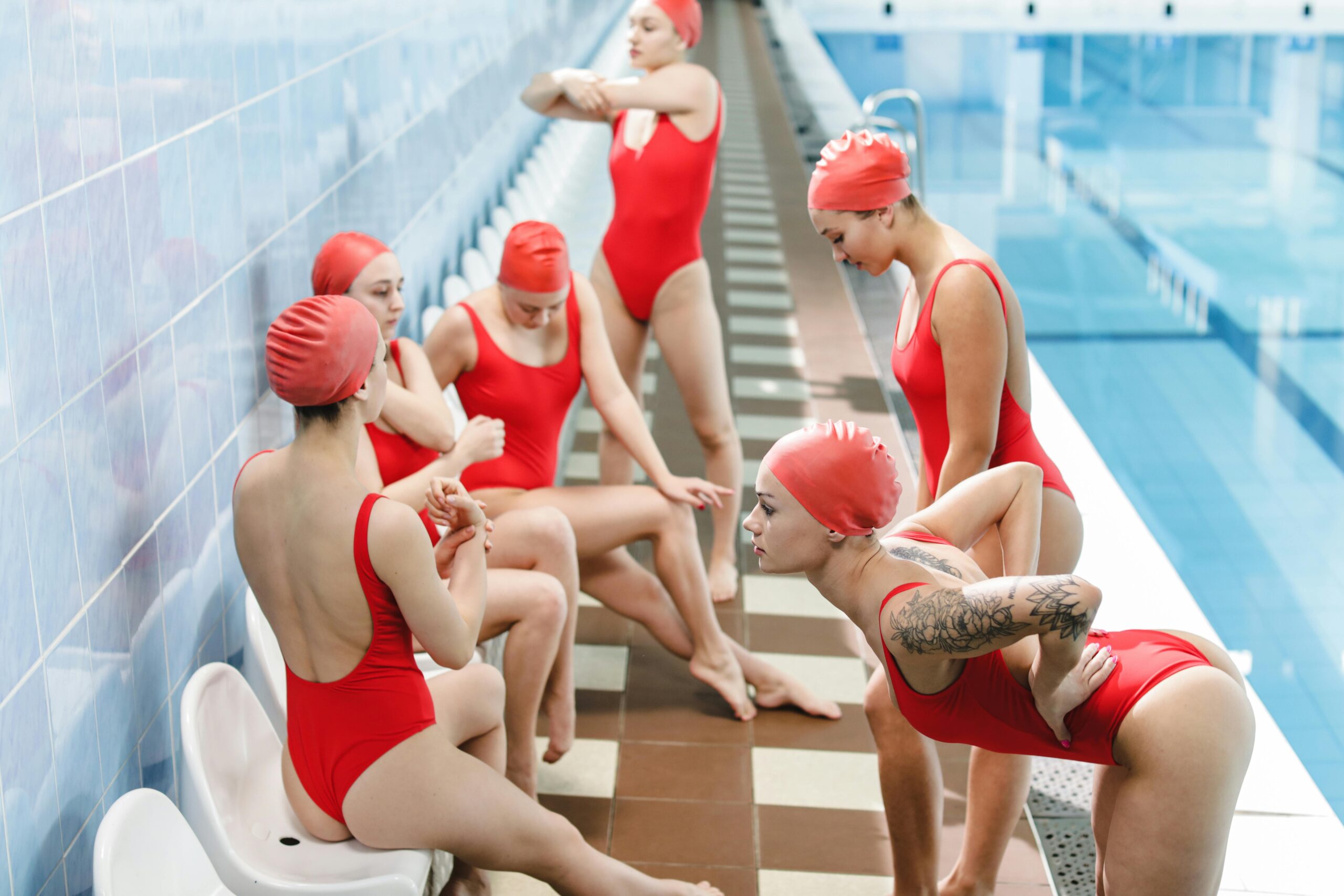
Strategic cross-training transforms good swimmers into great ones by developing physical qualities that water-based training cannot adequately address. The combination of strength, varied cardiovascular conditioning, flexibility work, and explosive power training creates a more complete athlete.
Start gradually, especially if you’re new to dryland training. Select one or two complementary activities initially, master proper technique, and progressively increase volume as your body adapts. This patient approach yields sustainable improvements rather than short-term gains followed by injury or burnout.
Experiment to discover which cross-training modalities you enjoy and benefit from most. Individual responses vary—some swimmers thrive with heavy strength training while others see greater gains from yoga and running. Personal preference matters because consistency determines results, and you’ll maintain activities you genuinely enjoy.
The competitive swimming landscape continues evolving, with top performers increasingly recognizing that pool excellence requires comprehensive athletic development. By implementing these dynamic cross-training strategies, you’ll build the strength, endurance, and flexibility needed to unlock your full potential in the water. Your next personal best awaits—not just in the pool, but through the intelligent combination of swimming and supplementary training that addresses your complete development as an athlete.