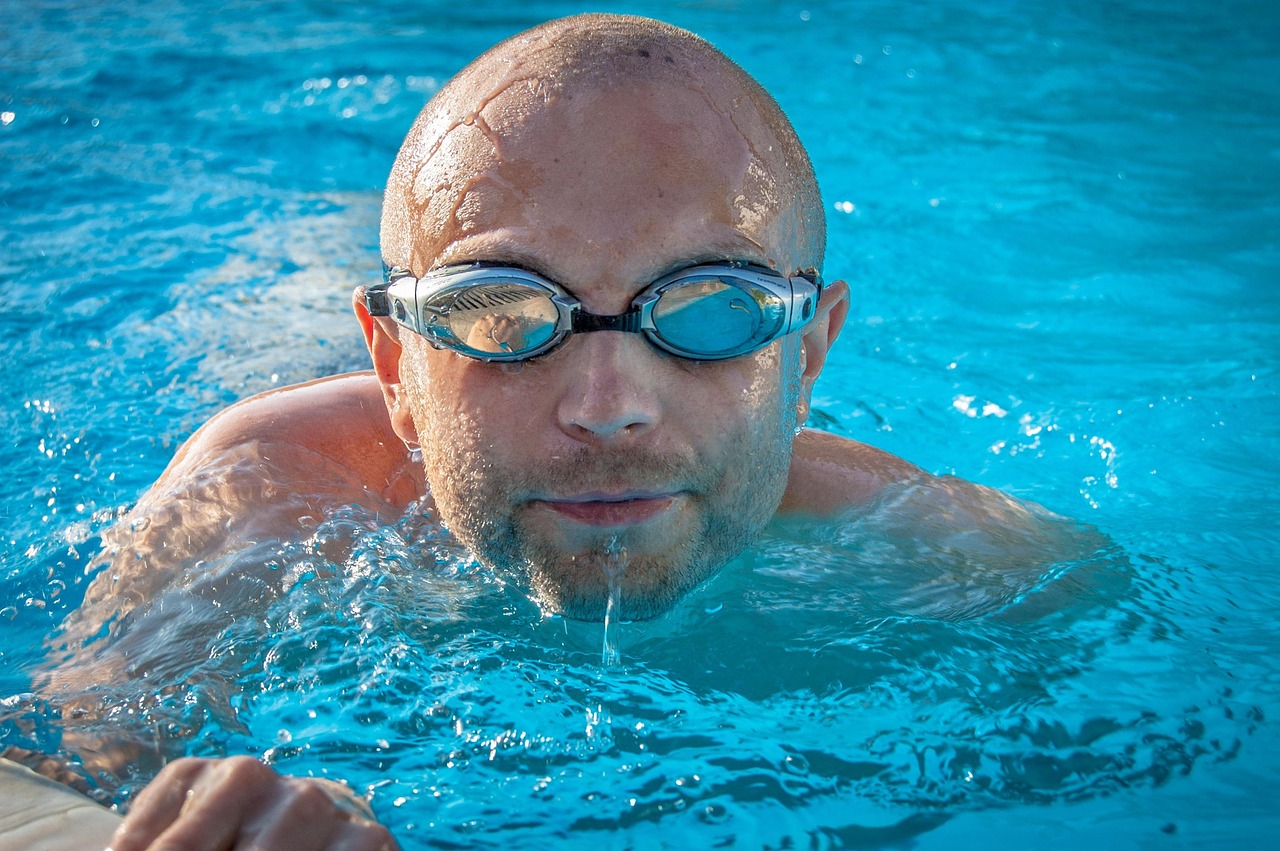
Whether you’re a weekend warrior or a seasoned athlete, understanding proper warm-up and cooldown techniques is crucial for maximizing performance while minimizing injury risk.

Every training session, workout, or competitive event demands preparation and recovery. Your body is an intricate machine that requires proper activation before intense activity and thoughtful deactivation afterward. Skipping these essential phases can lead to decreased performance, muscle strain, and long-term damage that could sideline you for weeks or even months.
🔥 Why Warm-Ups Are Non-Negotiable for Athletic Success
A proper warm-up is far more than a formality—it’s a biological necessity. When you begin moving, your body undergoes significant physiological changes that prepare multiple systems for the demands ahead. Your heart rate gradually increases, blood vessels dilate to deliver more oxygen to working muscles, and your nervous system awakens to coordinate complex movements with precision.
Research consistently demonstrates that individuals who warm up properly experience fewer injuries and perform better than those who jump straight into intense activity. The warm-up phase increases muscle temperature, improving elasticity and reducing the risk of tears and strains. It also enhances joint lubrication through increased synovial fluid production, creating smoother movement patterns and reducing friction.
Beyond the physical benefits, warming up provides crucial mental preparation time. This transitional period allows you to shift focus from daily distractions to the task at hand, visualize your performance, and establish the mind-muscle connection that separates good athletes from great ones.
The Science Behind Effective Warm-Up Protocols
Your warm-up should follow a progressive structure that gradually increases intensity. Beginning with gentle, low-impact movements allows your cardiovascular system to adjust without shock. As blood flow increases, oxygen delivery improves, and metabolic waste products are more efficiently removed from muscle tissue.
Temperature elevation within muscle fibers is critical. Warmer muscles contract more forcefully and relax more quickly, improving both power output and coordination. This temperature increase also enhances enzyme activity involved in energy production, making your body more efficient during the workout ahead.
Neural activation is another key component. Your nervous system needs time to “wake up” and establish optimal communication pathways between your brain and muscles. Dynamic movements during warm-ups improve proprioception—your body’s awareness of its position in space—which directly impacts balance, coordination, and injury prevention.
🏃 Building Your Perfect Warm-Up Routine
An effective warm-up typically spans 10-15 minutes, though this can vary based on activity intensity, environmental conditions, and individual needs. Cold weather requires longer warm-ups, as does early morning exercise when your body temperature is naturally lower.
Phase One: General Cardiovascular Activation
Start with 3-5 minutes of light aerobic activity. This could include brisk walking, light jogging, cycling at low resistance, or rowing at a comfortable pace. The goal is to gradually elevate your heart rate to approximately 50-60% of your maximum, increasing blood flow throughout your body without causing fatigue.
During this phase, focus on smooth, rhythmic movements that engage large muscle groups. Avoid the temptation to push intensity too quickly. This foundational layer sets the stage for more specific preparation to come.
Phase Two: Dynamic Stretching and Mobility Work
After general cardiovascular activation, transition to dynamic stretching—controlled movements that take joints through their full range of motion. Unlike static stretching (holding a position), dynamic stretches prepare your body for the movement patterns you’ll perform during your workout.
Effective dynamic stretches include leg swings, arm circles, walking lunges with rotation, high knees, butt kicks, and inchworms. Perform each movement for 30-60 seconds, focusing on control and gradually increasing range of motion. These exercises activate muscle groups, improve flexibility, and enhance neuromuscular coordination.
Sport-specific mobility drills should be incorporated based on your planned activity. Runners benefit from ankle circles and hip openers, while swimmers should emphasize shoulder mobility. Basketball players might include lateral shuffles and jump preparations, while cyclists focus on hip flexor activation and spinal rotation.
Phase Three: Activity-Specific Preparation
The final warm-up phase involves rehearsing movements you’ll perform during your main workout, but at reduced intensity. If you’re preparing for a running session, include several short acceleration drills. Weight lifters should perform sets with light weights, focusing on form and muscle activation rather than strength.
This phase bridges the gap between general preparation and peak performance, allowing your neuromuscular system to fine-tune the specific coordination patterns required for your activity. It’s also an opportunity to identify any areas of tightness or discomfort that may need attention before increasing intensity.
💪 The Often-Overlooked Importance of Cooldowns
While warm-ups receive considerable attention, cooldowns are frequently neglected—a mistake that can significantly impact recovery and long-term performance. After intense exercise, your body is in a heightened metabolic state with elevated heart rate, increased body temperature, and accumulated metabolic byproducts in muscle tissue.
An abrupt stop after vigorous activity can cause blood to pool in your extremities, potentially leading to dizziness or fainting. It also misses a valuable opportunity to begin the recovery process systematically, potentially extending soreness and delaying your return to optimal performance.
Proper cooldowns facilitate the gradual return of heart rate and blood pressure to resting levels, prevent blood pooling, reduce muscle tension, and initiate the recovery process. This transitional period also provides psychological closure to your workout, creating a clear boundary between training and normal activity.
Structuring an Effective Cooldown
An adequate cooldown typically requires 10-15 minutes, though more intense or prolonged exercise may benefit from longer recovery periods. The structure mirrors the warm-up in reverse, progressively decreasing intensity while addressing specific recovery needs.
Begin with 5-7 minutes of light aerobic activity similar to your warm-up but at a gradually decreasing pace. If you’ve been running, slow to a jog, then a walk. After cycling, reduce resistance and cadence progressively. This gradual deceleration allows your cardiovascular system to adjust smoothly while continuing to circulate blood efficiently through working muscles.
During this phase, metabolic waste products like lactic acid are more effectively cleared from muscle tissue, reducing post-exercise soreness and accelerating recovery. Continued movement also prevents the sudden drop in blood pressure that can occur when vigorous activity stops abruptly.
Static Stretching and Flexibility Work
Unlike the warm-up phase where dynamic stretching is preferred, cooldowns are the ideal time for static stretching. When muscles are warm and pliable after exercise, they’re more receptive to sustained stretches that improve flexibility and reduce tension.
Hold each stretch for 20-30 seconds without bouncing, breathing deeply and allowing muscles to relax gradually. Focus on major muscle groups used during your workout, as well as areas prone to tightness. Common targets include hamstrings, quadriceps, hip flexors, calves, chest, shoulders, and back muscles.
Static stretching during cooldown helps restore muscle length after contraction-heavy exercise, improves long-term flexibility, reduces muscle tension, and promotes relaxation. This is also an excellent time for mindfulness, connecting with your body and noting areas that may need extra attention or recovery.
🎯 Sport-Specific Warm-Up and Cooldown Considerations
While general principles apply across activities, optimizing your routine for specific sports or training styles enhances effectiveness and injury prevention.
For Runners and Endurance Athletes
Runners should emphasize lower body activation, hip mobility, and gradual pace increases during warm-up. Include exercises like leg swings, walking lunges, and dynamic hamstring stretches. Cooldowns should feature extended easy jogging or walking followed by thorough lower body stretching, particularly focusing on calves, hamstrings, hip flexors, and IT bands.
For Strength Training Enthusiasts
Weight lifters benefit from general cardiovascular warm-up followed by joint-specific mobility work. Include shoulder circles, wrist rotations, and hip openers. Perform warm-up sets for each major exercise, gradually increasing weight while maintaining perfect form. Cooldown should include light cardio and comprehensive stretching of all trained muscle groups, holding stretches slightly longer than usual to combat post-workout tightness.
For Team Sport Athletes
Sports involving sudden direction changes, jumping, and sprinting require comprehensive warm-ups addressing multiple movement planes. Include lateral movements, acceleration drills, and sport-specific skills at reduced intensity. Cooldowns should emphasize both cardiovascular recovery and flexibility work, with particular attention to commonly injured areas like ankles, knees, and shoulders.
⚠️ Common Warm-Up and Cooldown Mistakes to Avoid
Even experienced athletes sometimes fall into counterproductive habits that undermine their preparation and recovery efforts.
Rushing through warm-ups to save time is perhaps the most common mistake. A hasty warm-up fails to adequately prepare your body’s systems, increasing injury risk and reducing performance quality. Similarly, skipping cooldowns entirely forces your body into recovery mode without the transitional support it needs, often extending soreness and fatigue.
Performing static stretching before intense activity is another widespread error. Research shows that prolonged static stretching before exercise can temporarily reduce muscle power and performance. Save static stretches for your cooldown when they provide maximum benefit without performance drawbacks.
Using the same warm-up regardless of activity type or environmental conditions represents a missed opportunity for optimization. Your preparation should adapt to the specific demands ahead, whether that’s a sprint workout, a heavy lifting session, or practice in extreme temperatures.
Ignoring pain or discomfort signals during warm-up can transform minor issues into major injuries. Your warm-up is reconnaissance—if something doesn’t feel right, address it before increasing intensity. Modify your workout if necessary or seek professional guidance rather than pushing through warning signs.
🌟 Advanced Techniques for Optimal Performance
Once you’ve mastered basic warm-up and cooldown protocols, consider incorporating advanced techniques that can further enhance performance and recovery.
Activation Exercises for Targeted Muscle Engagement
Activation exercises specifically target muscles that may be underactive or difficult to engage. Common examples include glute bridges before lower body work, band pull-aparts before upper body training, and core activation exercises before complex movements. These targeted exercises establish proper firing patterns and ensure optimal muscle recruitment during your main workout.
Foam Rolling and Self-Myofascial Release
Incorporating foam rolling into your warm-up or cooldown routine can improve tissue quality, reduce adhesions, and enhance mobility. Pre-workout foam rolling should be brief and dynamic, focusing on areas of restriction. Post-workout foam rolling can be more thorough, addressing muscle groups that feel particularly tight or fatigued.
Breathing Techniques for Enhanced Performance
Controlled breathing during warm-up helps activate your parasympathetic nervous system, reducing pre-workout anxiety while improving oxygen delivery. During cooldown, deep breathing accelerates the shift toward recovery mode, lowering heart rate and promoting relaxation. Practice diaphragmatic breathing, inhaling deeply through your nose and exhaling slowly through your mouth.
📱 Technology and Tools to Enhance Your Routine
Modern technology offers valuable support for optimizing warm-up and cooldown practices. Fitness tracking apps can guide you through structured routines, ensuring you don’t skip essential components. Heart rate monitors help you gauge intensity during warm-up phases, ensuring you’re adequately prepared without premature fatigue.
Video analysis tools allow you to review movement patterns during warm-up exercises, identifying technique issues before they become ingrained habits. Mobility apps provide guided stretching routines with visual demonstrations, making it easier to maintain proper form and progression.
🔄 Creating Sustainable Habits for Long-Term Success
Knowledge means little without consistent application. The key to benefiting from proper warm-up and cooldown practices is making them non-negotiable components of every training session.
Start by scheduling adequate time for these phases. If you have 45 minutes to train, allocate 10-12 minutes for warm-up, 20-25 minutes for your main workout, and 10 minutes for cooldown. This structure prevents the time-crunch mentality that often leads to skipped preparation or recovery.
Develop a consistent routine that becomes automatic. While specific exercises may vary, maintaining a general structure—cardiovascular activation, dynamic mobility, specific preparation—creates a reliable framework that requires less mental energy to implement.
Track your adherence and note how proper warm-up and cooldown practices affect your performance and recovery. Most athletes who commit to these protocols report noticeable improvements in workout quality, reduced soreness, and fewer injuries—powerful motivation for continued compliance.

🏆 Maximizing Your Athletic Potential Through Smart Preparation
Excellence in athletics isn’t solely determined by natural talent or intense training. Sustainable high performance requires intelligent preparation and recovery—respecting your body’s needs while systematically preparing it for the demands you’ll place upon it.
Proper warm-ups and cooldowns represent low-effort, high-impact interventions that protect your investment in training. Each comprehensive warm-up reduces injury risk while enhancing the quality of your workout. Every thorough cooldown accelerates recovery, allowing you to train more consistently with less downtime.
Over weeks, months, and years, these seemingly small practices compound dramatically. Athletes who consistently warm up and cool down properly accumulate more high-quality training sessions, experience fewer setbacks from injury, and maintain performance capacity longer than those who neglect these fundamentals.
Your body is remarkably adaptable and resilient when treated with respect. By dedicating just 20 minutes per session to proper preparation and recovery, you create the foundation for years of healthy, progressive athletic development. This isn’t time lost—it’s the most valuable investment you can make in your performance, longevity, and overall well-being.
Implement these warm-up and cooldown strategies consistently, adapt them to your specific needs and activities, and listen to the feedback your body provides. This approach transforms training from a series of disconnected workouts into a comprehensive system that supports continuous improvement while protecting against the injuries that derail so many athletic journeys. Your future self will thank you for the commitment you make today to preparation, performance, and recovery.