
Building strength is a journey that requires patience, strategy, and smart progression. Too many fitness enthusiasts fall into the trap of doing too much too soon, leading to burnout, injury, and frustration.

Understanding how to systematically increase your training volume week by week is the secret weapon that separates those who make consistent progress from those who plateau or regress. This comprehensive guide will walk you through the science-backed principles of safe volume progression, ensuring you build strength sustainably while keeping your body healthy and your motivation high.
🎯 Understanding Training Volume: The Foundation of Progress
Training volume refers to the total amount of work you perform during your workouts, typically calculated by multiplying sets, reps, and weight. For strength training purposes, volume is one of the most critical variables you can manipulate to drive continuous adaptation and muscle growth.
The relationship between volume and progress isn’t linear—more isn’t always better. Your body has a specific capacity for recovering from training stress, and exceeding this capacity leads to overtraining, decreased performance, and potential injury. The sweet spot lies in progressively challenging your body just enough to stimulate adaptation without overwhelming your recovery systems.
Research shows that systematic volume progression leads to superior strength gains compared to random or aggressive increases. The key is finding your personal baseline and building from there with calculated increments that respect your body’s adaptation timeline.
📊 The Science Behind Volume Progression
Your body responds to training stress through a process called supercompensation. When you lift weights, you create micro-damage to muscle fibers and deplete energy systems. During recovery, your body repairs this damage and builds slightly more capacity than before, preparing for future similar stressors.
This adaptation process typically takes 48-72 hours for most muscle groups, though this varies based on training intensity, your training age, nutrition, sleep quality, and overall stress levels. Progressing volume too quickly disrupts this cycle, preventing full recovery and leading to accumulated fatigue.
The principle of progressive overload states that to continue making gains, you must gradually increase the demands placed on your body. Volume is one of the most reliable ways to implement progressive overload, alongside intensity (weight) and frequency (training sessions per week).
The Optimal Rate of Volume Increase
Studies suggest that a 5-10% weekly increase in training volume represents the optimal balance between stimulus and recovery for most intermediate lifters. Beginners may tolerate slightly higher increases (10-15%) due to lower absolute volumes, while advanced lifters often need more conservative progressions (2-5%) due to higher baseline volumes.
This percentage-based approach ensures that as your total volume grows, the absolute increases remain proportional to your capacity. A 10% increase on 10,000 pounds of weekly volume (1,000 pounds) is very different from 10% on 50,000 pounds (5,000 pounds), and your body recognizes this difference.
🗓️ Your Week-to-Week Progression Blueprint
Implementing safe volume progression requires a structured approach that balances advancement with recovery. The following blueprint provides a practical framework for building your training volume systematically over time.
Week 1-2: Establishing Your Baseline
Your first priority is determining your current capacity. This baseline period involves training at a comfortable volume that you can complete with good form and without excessive fatigue. Track every set, rep, and weight meticulously—this data becomes the foundation for all future progressions.
During these initial weeks, focus on consistency over intensity. Complete each workout as scheduled, prioritize technique, and monitor your recovery between sessions. How you feel on rest days, your sleep quality, and your motivation levels all provide valuable feedback about whether your baseline volume is appropriate.
Week 3-4: First Progressive Phase
After establishing baseline, implement your first volume increase. For most lifters, adding 1-2 sets per muscle group per week or increasing reps by 10-15% total represents a safe progression. This might look like adding one set to your main compound movements or pushing each set for an additional rep or two.
Monitor your body’s response carefully during this phase. Increased soreness is normal, but joint pain, decreased performance, or disrupted sleep signals that you’ve progressed too aggressively. If recovery suffers, maintain current volume for another week rather than continuing to add stress.
Week 5: Strategic Deload
Every 3-4 weeks of progressive training, incorporate a deload week where you reduce volume by 40-50% while maintaining intensity. This planned recovery week allows accumulated fatigue to dissipate, repairs lingering micro-damage, and replenishes depleted energy systems.
Many lifters resist deloading, fearing lost progress, but research consistently shows that deload weeks enhance long-term gains by preventing overtraining and maintaining training quality. You should feel refreshed and eager to train by the end of a proper deload week.
Week 6-8: Second Progressive Phase
After your deload, resume progression from where you left off in week 4. Your body should now tolerate higher volumes more efficiently, and you may notice strength increases accelerating as adaptations compound. Continue with 5-10% weekly increases, adjusting based on individual recovery feedback.
This phase often produces the most noticeable strength gains as your body fully adapts to the previous volume increases while being challenged by new stimulus. Maintain perfect form even as volumes climb—compensatory movement patterns that develop under fatigue can persist and increase injury risk.
Week 9: Second Deload
Implement another deload week following the same 40-50% volume reduction. By this point, you’ve increased total training volume significantly from your baseline, making this recovery period even more critical. Use this week to assess overall progress and plan adjustments for the next training block.
⚠️ Warning Signs of Excessive Volume Progression
Recognizing when you’ve pushed too hard is crucial for avoiding setbacks. Your body provides numerous signals that training stress exceeds recovery capacity, and learning to read these signs prevents minor issues from becoming major problems.
- Persistent fatigue: Feeling tired is normal after hard training, but if fatigue doesn’t improve with rest days or you feel exhausted before workouts, you’re likely overtrained.
- Performance plateaus or decreases: If weights that felt manageable last week suddenly feel heavy, or you can’t complete reps you previously handled, volume may have increased too quickly.
- Chronic soreness: While muscle soreness after training is expected, pain that persists beyond 72 hours or worsens with subsequent workouts indicates insufficient recovery.
- Sleep disturbances: Overtraining activates your sympathetic nervous system, making it difficult to fall asleep or causing you to wake frequently during the night.
- Mood changes: Increased irritability, anxiety, or loss of motivation for training all signal that training stress has exceeded your adaptive capacity.
- Elevated resting heart rate: A resting heart rate 10+ beats per minute above your normal baseline indicates accumulated fatigue and incomplete recovery.
- Increased injury susceptibility: Nagging aches, joint pain, or minor strains that won’t resolve suggest your tissues can’t keep up with training demands.
If you experience multiple warning signs simultaneously, reduce volume by 20-30% for one week and reassess. There’s no shame in taking a step back—it’s far better to lose a week of progress than to push into injury that costs months of training time.
💪 Individualizing Your Volume Progression Strategy
While the general guidelines provide an excellent starting framework, optimal volume progression varies significantly between individuals based on numerous factors. Personalizing your approach ensures maximum results with minimum risk.
Training Age Considerations
Beginners (less than one year of consistent training) have enormous capacity for rapid adaptation and can often tolerate more aggressive progressions. Their lower absolute volumes and underdeveloped work capacity mean larger percentage increases represent relatively small total volume additions.
Intermediate lifters (1-3 years) benefit from moderate, systematic progressions in the 5-10% range. They’ve developed sufficient work capacity to handle meaningful volumes but haven’t reached the point where small increases require extensive recovery.
Advanced lifters (3+ years) must progress more conservatively, often in the 2-5% range or through intensity manipulation rather than pure volume increases. Their high absolute volumes mean even small percentage increases represent substantial total workload additions.
Age and Recovery Capacity
Lifters over 40 generally require more conservative volume progressions and more frequent deload periods due to naturally declining recovery capacity. Hormonal changes, reduced sleep quality, and accumulated wear on joints and connective tissues all impact how quickly you can safely increase training volume.
This doesn’t mean older lifters can’t make excellent progress—they simply need to be more patient and strategic. Focusing on quality over quantity, prioritizing recovery interventions, and allowing extra rest between high-volume sessions all help mature athletes progress safely.
Lifestyle Stress Factors
Your body doesn’t differentiate between training stress and life stress. High-demand careers, relationship challenges, poor sleep, inadequate nutrition, and other lifestyle factors all draw from the same recovery resources needed for training adaptation.
During high-stress life periods, reduce volume progression rates or maintain current volumes rather than continuing to add stress. This flexibility prevents training from becoming another stressor and allows you to maintain consistency without risking burnout.
🔧 Practical Tools for Tracking Volume Progression
Effective volume management requires accurate tracking. While you can certainly use a simple notebook, several tools make this process easier and provide valuable insights into your training patterns.
Training apps designed for strength athletes offer built-in volume calculations, progress tracking, and often include auto-regulation features that adjust recommendations based on your feedback. These digital solutions eliminate calculation errors and provide visual representations of your progression over time.
Spreadsheets provide another excellent option for lifters who prefer complete customization. Creating formulas that automatically calculate weekly volume, percentage increases, and deload weeks transforms raw training data into actionable information. Many successful strength athletes use detailed spreadsheets to plan entire training cycles months in advance.
Regardless of your tracking method, consistency is paramount. Record every workout immediately after completion when details are fresh, and review your data weekly to ensure you’re progressing appropriately and to identify concerning trends before they become problems.
🍽️ Supporting Volume Progression with Nutrition and Recovery
Progressive volume training places increasing demands on your recovery systems, requiring corresponding increases in recovery support. Your nutrition and sleep strategies must evolve alongside your training volume to sustain progress.
Caloric and Protein Requirements
As training volume increases, so do your energy and protein needs. Inadequate caloric intake forces your body to choose between recovery and other physiological functions, inevitably compromising adaptation. Most lifters need approximately 16-18 calories per pound of bodyweight to support moderate to high training volumes.
Protein requirements similarly increase with training volume. While 0.8g per pound of bodyweight suffices for minimal training, progressive strength training demands 1.0-1.2g per pound to support muscle repair and growth. Distribute this protein across 4-5 meals for optimal muscle protein synthesis throughout the day.
Sleep as a Volume Multiplier
Sleep represents your most powerful recovery tool, yet it’s often the first thing sacrificed during busy periods. During deep sleep stages, your body releases growth hormone, conducts tissue repair, and consolidates neural adaptations from training.
Aim for 7-9 hours of quality sleep per night, with higher volumes requiring sleep toward the upper end of this range. If increasing training volume coincides with decreased sleep quality, your progression will stall or reverse regardless of perfect programming.
🎓 Advanced Volume Manipulation Strategies
Once you’ve mastered basic volume progression, several advanced strategies can help you continue progressing when simple linear increases no longer work effectively.
Undulating Periodization
Rather than increasing volume every single week, undulating periodization varies volume within each training week. You might perform high-volume work on Monday, moderate volume Wednesday, and low volume Friday. This approach provides built-in recovery while maintaining training frequency.
Weekly volume still increases over time, but the varied daily volumes prevent excessive fatigue accumulation and may enhance long-term adherence by preventing monotony.
Block Periodization
Block periodization dedicates specific training phases to different adaptations. An accumulation block emphasizes high volume with moderate intensity, followed by an intensification block featuring lower volume but higher intensity, culminating in a realization block where volume and intensity both moderate to peak performance.
This structured approach allows you to push volume higher than sustainable year-round, knowing an intensification phase with reduced volume follows. Many advanced lifters find this approach produces superior results compared to attempting simultaneous volume and intensity progression.
🚀 Breaking Through Plateaus Safely
Eventually, all lifters encounter points where volume progression stops producing results. Rather than continually adding volume—which eventually becomes unsustainable—strategic alternatives can reignite progress.
Intensity manipulation provides one option. Reduce total volume slightly while increasing the weight used, shifting adaptation stimulus from hypertrophy toward neural efficiency. Exercise variation offers another approach, substituting similar but novel movements that challenge muscles through different angles and ranges of motion.
Sometimes the best strategy is accepting a maintenance phase where volume stabilizes for several weeks or even months. Your body consolidates previous gains, and you return to progressive volume increases from a more solid foundation. These plateaus aren’t failures—they’re necessary pit stops on the journey toward long-term strength development.
🎯 Your Action Plan for Sustainable Strength Building
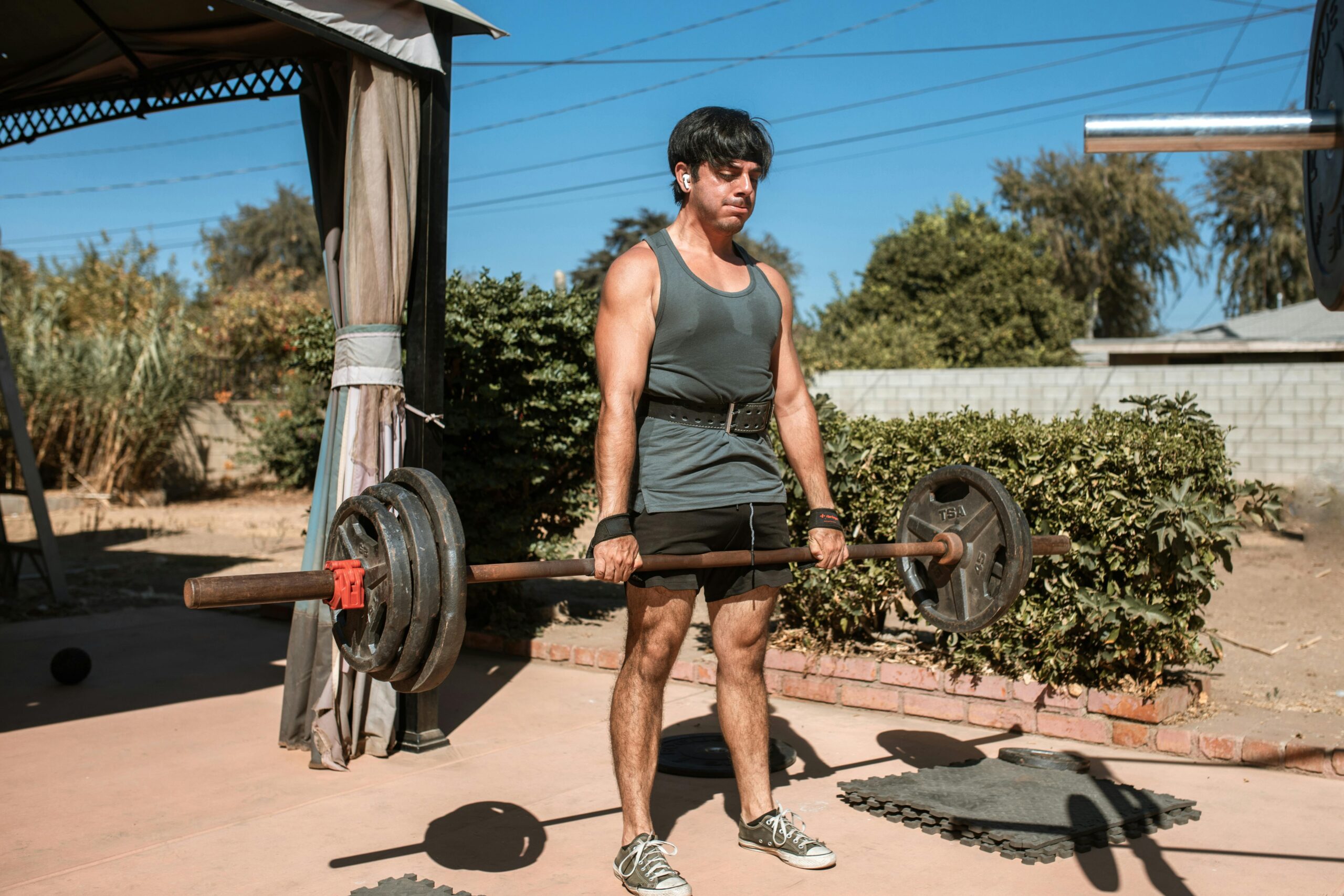
Mastering volume progression transforms training from random effort into systematic progress. Start by establishing an honest baseline that challenges you without overwhelming recovery capacity. Progress conservatively—5-10% weekly increases—while monitoring recovery markers closely. Implement strategic deloads every 3-4 weeks to dissipate fatigue and maintain long-term training quality.
Remember that building strength is a marathon, not a sprint. The fastest short-term progress rarely produces the best long-term results. Athletes who train consistently for decades, avoiding injuries and burnout, always outperform those who make rapid gains followed by extended setbacks. Choose sustainability over aggressive progression every time.
Track everything meticulously, adjust based on individual response rather than generic recommendations, and support your training with adequate nutrition and sleep. When in doubt, err on the side of caution—you can always add volume next week, but recovering from overtraining or injury costs weeks or months of productive training time.
The journey to exceptional strength is built one perfectly executed week at a time, with each training session adding another brick to your foundation. Master the art of volume progression, and you’ll not only build impressive strength but maintain the health, motivation, and enthusiasm to enjoy that strength for years to come. 💪