Swimming is more than just a sport—it’s a lifestyle that demands the right equipment for safety, performance, and enjoyment. Whether you prefer controlled pool environments or the unpredictable beauty of open water, having the proper gear can transform your experience from frustrating to phenomenal.

The distinction between pool swimming and open water adventures goes far beyond the venue. Each environment presents unique challenges that require specialized equipment, different safety considerations, and distinct preparation strategies. Understanding these differences and preparing accordingly ensures you’ll be ready for whatever aquatic adventure awaits.
🏊 The Foundation: Essential Gear for Pool Swimming
Pool swimming offers a controlled environment where you can focus purely on technique, endurance, and speed. The gear requirements here emphasize performance optimization and training effectiveness rather than survival equipment.
The Absolute Essentials for Every Pool Session
Your swimsuit is the cornerstone of pool swimming gear. For competitive swimmers and regular lap enthusiasts, durability matters more than aesthetics. Chlorine is relentless on fabric, so investing in a high-quality suit made from chlorine-resistant materials like polyester blends will save money long-term. Men typically choose jammers or briefs, while women opt for one-piece racing suits or practice swimsuits with secure straps.
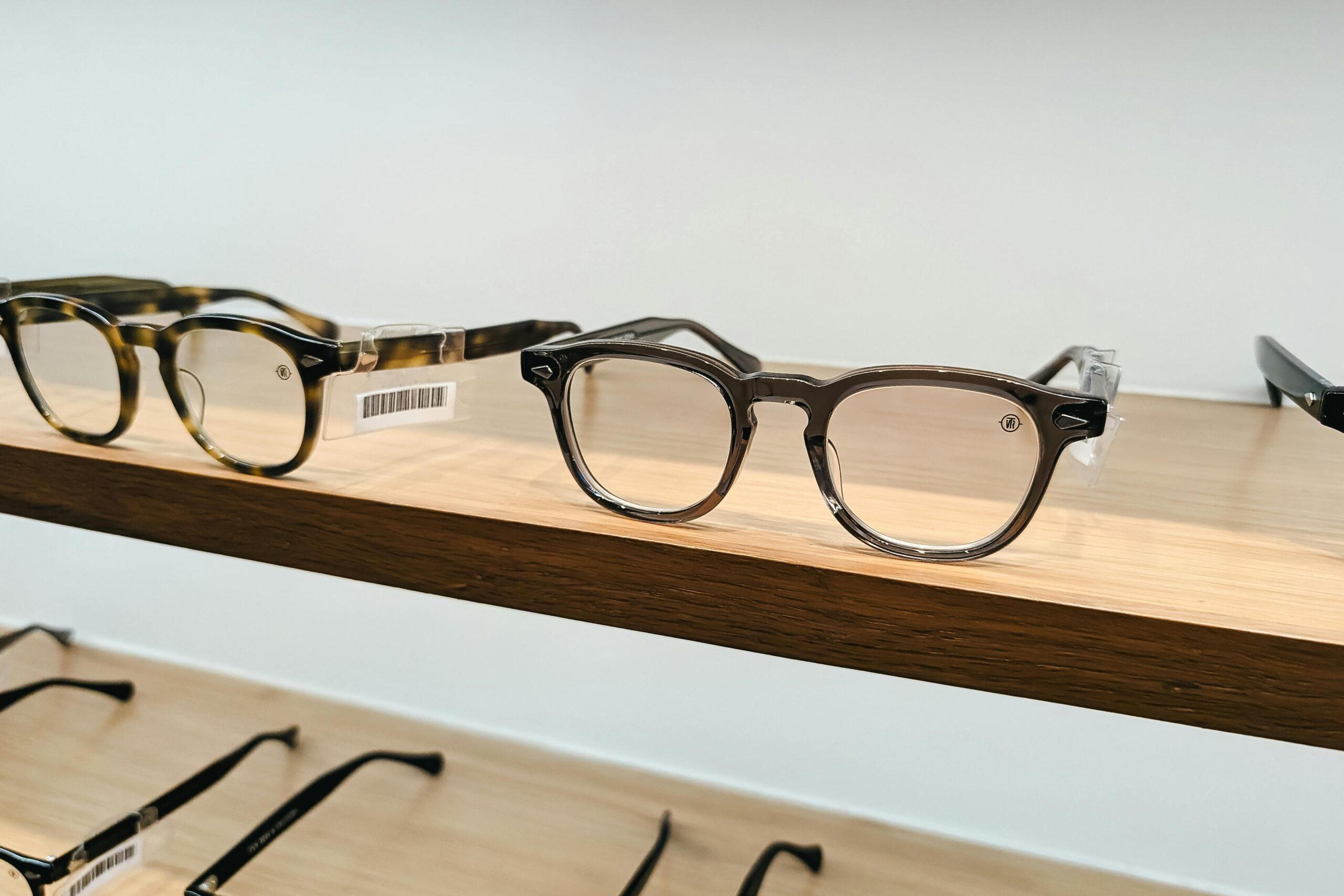
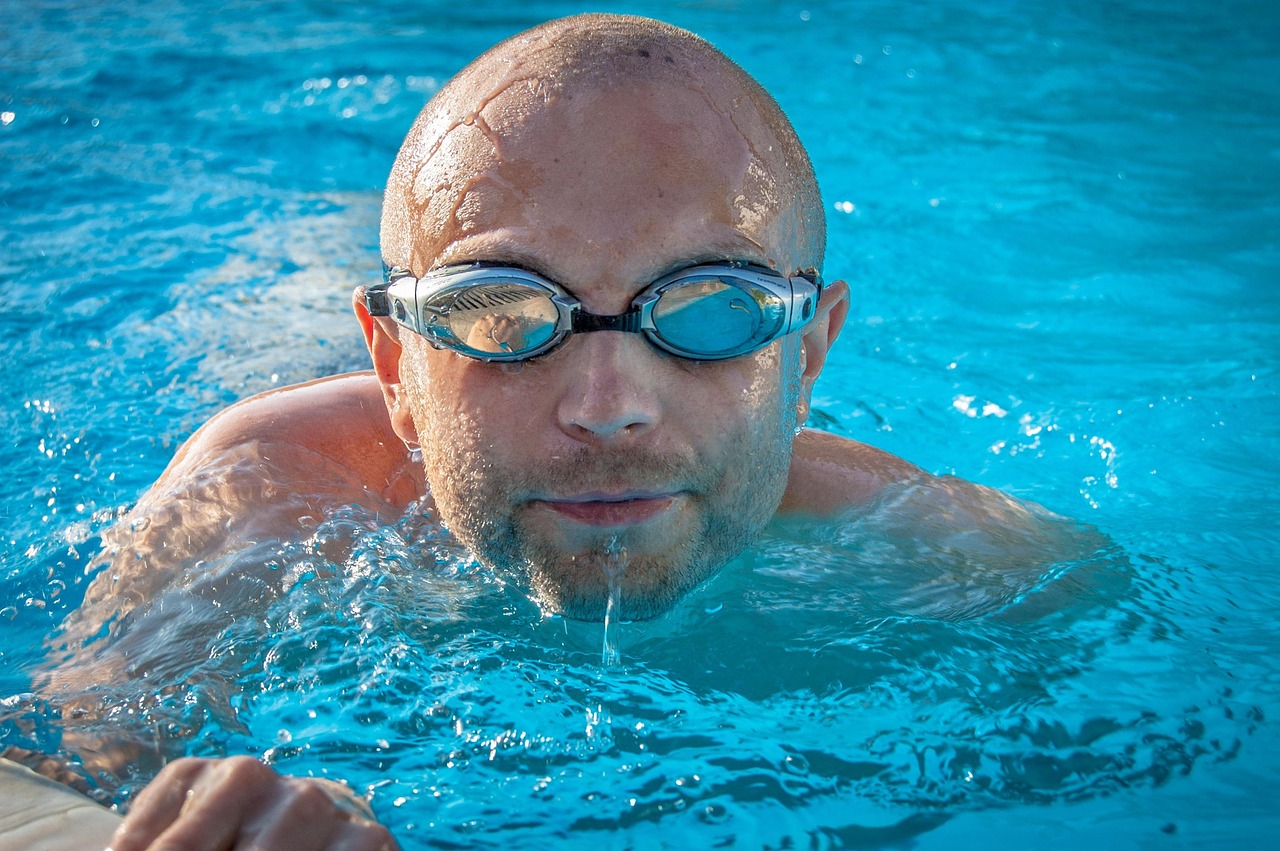
Goggles rank equally important as your swimsuit. Pool chemicals can irritate eyes, making goggles non-negotiable for extended sessions. Look for anti-fog coating, UV protection, and adjustable nose bridges for customized fit. Different lens tints serve various purposes: clear for indoor pools, mirrored or tinted for outdoor facilities with bright lighting.
A swim cap serves multiple purposes beyond keeping hair out of your face. It protects hair from chlorine damage, reduces drag for competitive swimmers, and is required at many public pools for hygiene reasons. Silicone caps offer durability and comfort, while latex versions provide a tighter, more competitive fit.
Training Equipment That Elevates Your Performance
Serious swimmers accumulate training tools that target specific aspects of technique and conditioning. Kickboards isolate lower body work, allowing you to strengthen legs while giving arms a rest. Pull buoys do the opposite, elevating your legs while you focus exclusively on upper body strength and stroke mechanics.
Hand paddles increase water resistance, building shoulder and arm strength while improving stroke efficiency. Start with smaller sizes and gradually progress to avoid injury. Fins add propulsion and help swimmers maintain proper body position while working on specific stroke elements.
Training snorkels eliminate the need to turn your head for breathing, allowing complete focus on body rotation, arm entry, and underwater mechanics. Center-mount snorkels have revolutionized technique training for competitive swimmers at all levels.
Post-Swim Necessities
Your pool bag should contain items for transitioning back to dry land comfortably. A microfiber towel dries quickly and packs smaller than traditional cotton towels. Flip-flops or slide sandals protect feet from pool deck surfaces and locker room floors where fungi and bacteria thrive.
Quality shampoo and body wash designed to remove chlorine prevent hair damage and skin dryness. A moisturizing lotion helps combat the drying effects of pool chemicals. Keep a separate bag for wet items to protect dry clothes and electronics.
🌊 Venturing Into the Wild: Open Water Swimming Essentials
Open water swimming introduces variables that pools simply cannot replicate—currents, waves, temperature fluctuations, marine life, and navigation challenges. Your gear list expands significantly to address safety and environmental factors.
Visibility and Safety: Your Primary Concerns
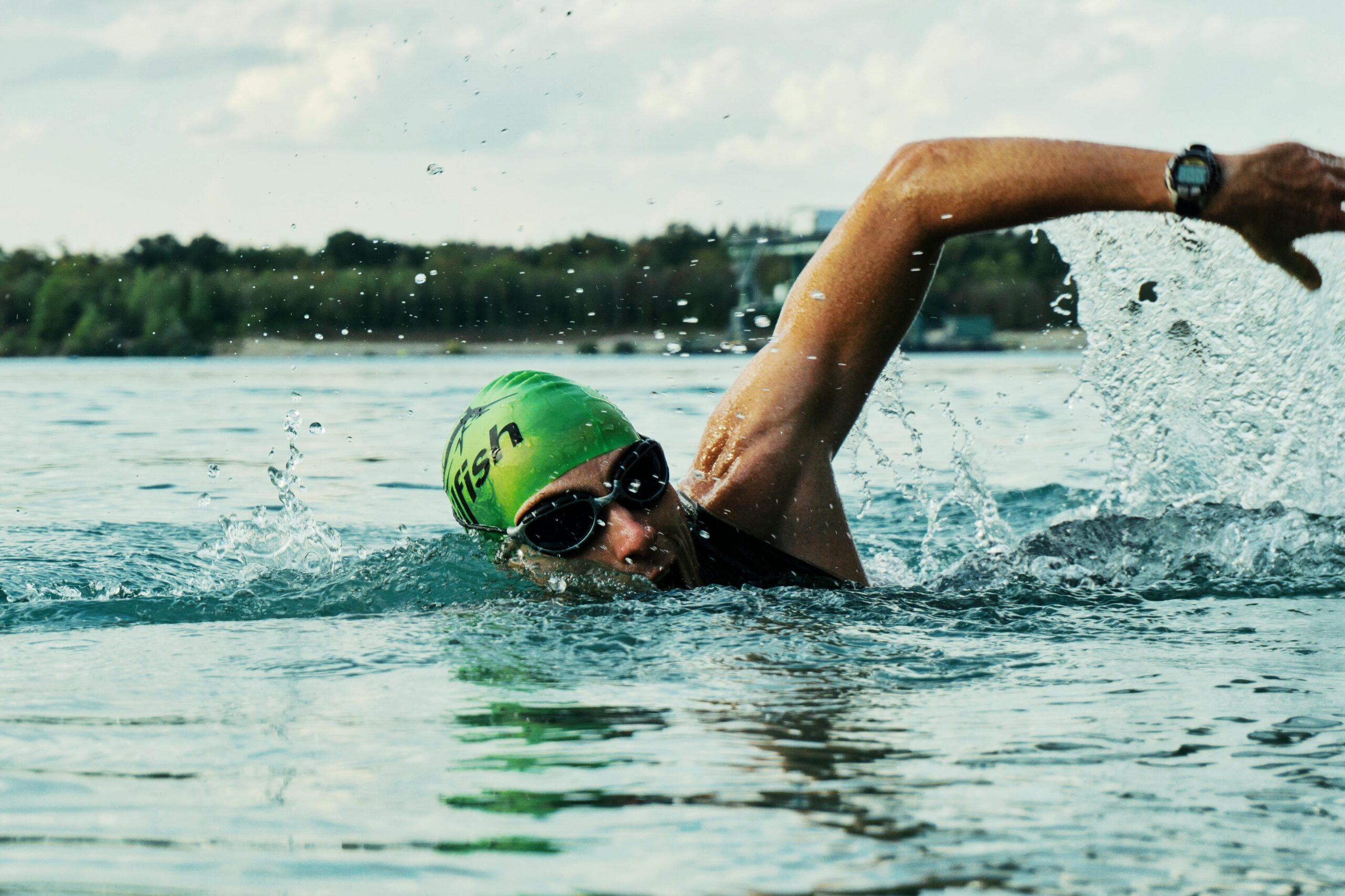
A brightly colored swim cap is absolutely essential for open water visibility. Neon orange, pink, or yellow ensures boats, jet skis, and lifeguards can spot you easily. Many open water swimmers double-cap for added warmth and visibility.
A tow float serves multiple critical functions. This inflatable device trails behind you on a waist belt, providing high visibility, a rest platform if needed, and dry storage for essentials like keys, phone, or energy gels. Many regions legally require swimmers to use visibility devices in public waters.
Consider a wetsuit for temperature regulation and buoyancy assistance. Even in moderately warm water, extended exposure can lead to hypothermia. Wetsuits designed specifically for swimming offer flexibility in shoulders and arms while providing thermal protection. Thickness varies from 2mm for warmer waters to 5mm for cold conditions.
Navigation and Communication Tools
Unlike pools with lane lines and bottom markings, open water requires navigation skills and equipment. A waterproof GPS watch tracks distance, pace, and route while helping you maintain course. Many models now include open water swimming modes with specific metrics for outdoor environments.
Waterproof communication devices provide emergency contact capability. Waterproof phone cases or dedicated marine communication devices ensure you can call for help if situations deteriorate. Some swimmers carry waterproof whistles attached to their tow floats for attracting attention.
Specialized Open Water Goggles
Open water goggles differ significantly from pool versions. Polarized or tinted lenses reduce glare from sunlight reflecting off water surfaces. Larger lenses improve peripheral vision for sighting buoys, landmarks, or other swimmers. Anti-fog coating becomes even more critical when you cannot easily stop to rinse goggles.
Some swimmers prefer goggles with curved lenses that better accommodate sighting—lifting your head to check direction—without water rushing in. Secure straps are essential since you cannot simply adjust goggles mid-swim like in a pool.
⚖️ Comparing Gear Requirements: Side by Side
| Item Category | Pool Swimming | Open Water Swimming |
|---|---|---|
| Swimsuit | Chlorine-resistant, form-fitting | Comfortable for longer durations, may include wetsuit |
| Goggles | Anti-fog, comfortable seal | Polarized, tinted, larger field of vision |
| Cap | Silicone or latex, any color | Bright neon colors, often doubled |
| Safety Equipment | Minimal (lifeguards present) | Tow float, wetsuit, whistle, GPS watch |
| Training Tools | Kickboards, pull buoys, paddles, fins | Generally not used during swims |
| Navigation | Not needed | Essential—watch, landmarks, buoys |
🎒 Building Your Complete Swimming Kit
Creating comprehensive gear collections for both environments ensures you’re prepared regardless of where swimming takes you. Smart organization prevents forgotten items and streamlines your pre-swim routine.
The Dual-Environment Swimmer’s Approach
If you regularly swim in both pools and open water, consider maintaining two separate bags rather than constantly repacking. Your pool bag remains stocked with training equipment, while your open water bag contains safety and navigation gear. Shared items like goggles, caps, and towels can transfer between bags as needed.
Invest in quality gear bags with multiple compartments. Wet/dry separation prevents soggy items from damaging electronics or creating mildew. Mesh pockets allow chlorine-soaked items to dry while being transported. Padded compartments protect goggles and watches from damage.
Seasonal Considerations and Gear Rotation
Swimming gear needs evolve with seasons. Summer open water swimming requires sun protection—reef-safe sunscreen, UV-protective rash guards, and lip balm. Winter pool training might need extra warm layers for walking to and from the facility, plus skin protection against indoor heating’s drying effects.
Cold water open water swimming demands additional specialized gear: neoprene gloves, booties, and sometimes hoods for extreme conditions. These items extend comfortable swimming seasons and enable training in environments that would otherwise be prohibitively cold.
💡 Technology Integration for Modern Swimmers
Technology has transformed swimming training and safety. Modern swimmers have access to devices that would have seemed like science fiction just a decade ago.
Wearable Tech for Performance Tracking
Swimming-specific fitness watches provide detailed analytics on stroke count, stroke rate, SWOLF scores (swimming efficiency metric), distance, and pace. Many devices automatically detect stroke types and create training logs that help identify improvement areas.
Heart rate monitors designed for swimming offer insights into training intensity and recovery. Optical sensors built into watches work reasonably well, though chest strap monitors provide more accurate data for swimmers serious about heart rate zone training.
Apps That Enhance Your Swimming Experience
Smartphone applications complement wearable devices by providing analysis, community features, and training plans. Apps like MySwimPro offer structured workouts, technique videos, and progress tracking for pool swimmers looking to improve systematically.
For open water enthusiasts, apps that map swimming routes, identify safe swimming locations, and connect you with local swimming communities prove invaluable. Water temperature forecasts, tide information, and sunrise/sunset times help plan optimal swimming windows.
🔧 Maintenance and Care: Extending Gear Longevity
Quality swimming gear represents significant investment. Proper care dramatically extends equipment lifespan and maintains performance characteristics.
Post-Swim Rinse Protocols
Chlorine and salt water both degrade swimming equipment. Immediately rinsing suits, goggles, caps, and training equipment in fresh water removes harmful chemicals. Never leave wet swimwear bundled in bags for extended periods—moisture promotes bacterial growth and material breakdown.
Goggles require gentle handling. Avoid touching inner lens surfaces, which damages anti-fog coatings. Rinse with cool fresh water and air dry before storing in protective cases. Replace goggles when straps lose elasticity or seals no longer create watertight fits.
Storage Solutions That Protect Your Investment
Proper storage between uses prevents premature wear. Hang wetsuits on wide hangers to maintain shape—never fold, which creates permanent creases that compromise insulation. Store electronics in cool, dry locations away from direct sunlight.
Rotate multiple swimsuits rather than using the same one continuously. This allows elastic fibers to recover between uses, significantly extending suit life. Have at least two suits in rotation for regular swimmers.
🌟 Budget-Friendly Approaches for Beginning Swimmers
Starting a swimming practice doesn’t require immediately purchasing every item on comprehensive gear lists. Strategic prioritization allows gradual investment as commitment deepens.
Essential vs. Optional: Where to Start
For pool swimming beginners, start with three items: a durable swimsuit, comfortable goggles, and a basic swim cap. These enable effective training while you determine whether swimming becomes a long-term pursuit. Add training equipment gradually as you identify specific areas needing development.
Open water newcomers absolutely must prioritize safety equipment—visibility caps, tow floats, and appropriate thermal protection. These non-negotiable items protect your life. GPS watches and advanced communication devices can come later as you gain experience and venture into more challenging environments.
Finding Quality Gear Within Budget Constraints
Previous season models offer substantial savings without sacrificing quality. Swimming gear technology evolves slowly, so last year’s goggle design performs nearly identically to current releases. Online retailers, outlet stores, and end-of-season sales provide opportunities for budget-conscious purchases.
Community swimming groups often organize gear swaps where outgrown or unused equipment finds new homes. Youth swimmers rapidly outgrow wetsuits that still have years of useful life. Connect with local swimming clubs to access these informal exchange networks.
🏆 Advanced Gear for Competitive and Experienced Swimmers
As swimming skills advance and goals become more ambitious, specialized equipment can provide competitive advantages and enable more sophisticated training approaches.
Competition-Specific Equipment
Technical racing suits made from advanced compression fabrics reduce drag and improve body position. These suits are expensive and have limited durability, making them appropriate only for important competitions. Practice in regular suits and save technical suits for races.
Racing goggles sacrifice some comfort for minimal profile and maximum hydrodynamics. Swedish goggles, despite their uncomfortable reputation, remain popular among competitive swimmers for their zero-profile design and customizable fit.
Training Analysis Tools
Underwater cameras allow swimmers to record and analyze technique. Seeing yourself swim from external perspectives reveals flaws invisible during swimming. Many coaches use video analysis as primary teaching tools.
Tempo trainers are small waterproof metronomes that beep at set intervals, helping swimmers maintain consistent stroke rates. These simple devices dramatically improve pacing awareness and stroke rhythm consistency.
🌍 Environmental Considerations in Gear Selection
Environmentally conscious swimmers increasingly consider sustainability when purchasing equipment. The swimming industry has begun responding with more eco-friendly options.
Sustainable Swimwear and Equipment
Several manufacturers now produce swimsuits from recycled plastics, fishing nets, and other reclaimed materials. These suits perform comparably to traditional options while reducing environmental impact. Durability remains paramount—the most sustainable gear is equipment that lasts for years.
Reef-safe sunscreen protects both skin and aquatic ecosystems. Traditional sunscreens contain chemicals harmful to marine life, particularly coral reefs. Choose mineral-based sunscreens with zinc oxide or titanium dioxide as active ingredients.
Repair Over Replace Philosophy
Small repairs extend gear life significantly. Neoprene cement fixes minor wetsuit tears. Goggle strap replacement kits cost far less than new goggles. Learning basic repair skills reduces waste and saves money.
When gear reaches end-of-life, investigate recycling programs. Some manufacturers accept old swimsuits and wetsuits for material reclamation. Community programs repurpose athletic equipment for underserved populations.
📋 Your Pre-Swim Checklist System
Even experienced swimmers occasionally arrive at pools or beaches missing crucial items. Implementing checklist systems prevents frustrating situations and ensures safe, productive sessions.
Digital and Physical Checklist Options
Smartphone apps with customizable checklists help organize gear for different swimming scenarios. Create separate lists for pool training, open water adventures, and competitions. Check items off as you pack, ensuring nothing gets forgotten.
Laminated physical checklists attached to gear bags serve swimmers who prefer analog systems. The act of physically checking boxes provides satisfaction and reinforces memory better than digital alternatives for some people.
The Night-Before Preparation Advantage
Preparing gear the evening before swimming eliminates morning rush and decision fatigue. Pack everything except last-minute additions like water bottles or fresh towels. This habit particularly benefits early morning swimmers who train before work or school.
Keep a permanently packed toiletries kit in your swimming bag with shampoo, soap, lotion, and other post-swim necessities. This eliminates the risk of forgetting essentials and speeds up your post-workout routine.
Swimming, whether in pristine pools or challenging open waters, rewards those who prepare properly. The right equipment enhances performance, ensures safety, and transforms swimming from mere exercise into genuinely enjoyable adventures. By understanding the distinct requirements of each environment and investing strategically in quality gear, you’ll be ready to dive confidently into whatever aquatic challenges call to you. Start with essentials, expand thoughtfully, maintain equipment carefully, and your swimming gear will serve you reliably through countless miles of rewarding aquatic journeys.