Foggy goggles can turn your adventure into a frustrating experience. Whether you’re skiing down slopes, diving underwater, or cycling through mountain trails, clear vision is essential for both safety and enjoyment.

This comprehensive guide explores proven anti-fog solutions and expert goggle care techniques that will keep your eyewear crystal-clear in any condition. From DIY hacks to professional-grade treatments, you’ll discover everything needed to maintain perfect visibility during your outdoor pursuits.
🔍 Understanding Why Goggles Fog Up
Before diving into solutions, it’s crucial to understand the science behind fogging. When warm, moist air from your breath or body heat meets the cooler surface of your goggle lens, condensation forms instantly. This temperature differential creates those annoying water droplets that obstruct your vision.
Several factors intensify this problem: high humidity levels, inadequate ventilation, poor goggle fit, and even your body temperature during intense physical activity. Cold weather conditions exacerbate fogging because the temperature contrast becomes more extreme. Understanding these triggers helps you choose the most effective prevention strategies.
⚡ Immediate Anti-Fog Hacks You Can Try Today
The Saliva Method
One of the oldest and most accessible anti-fog tricks involves your own saliva. Simply spit on the inside of your lens, spread it evenly with your finger, and rinse lightly with water. The proteins in saliva create a thin film that prevents condensation from forming. While this method works surprisingly well for swimming and diving goggles, it requires reapplication every few hours.
Dish Soap Treatment
Baby shampoo or mild dish soap provides excellent fog prevention. Apply a tiny drop to each lens, rub it gently across the entire surface, and buff with a microfiber cloth without rinsing completely. This leaves an invisible coating that resists fog formation for several hours. The key is using truly mild soap without moisturizers or harsh chemicals that could damage lens coatings.
Shaving Cream Technique
Non-gel shaving cream works wonders as an anti-fog solution. Apply a thin layer to clean lenses, let it sit for a few minutes, then wipe thoroughly with a soft cloth. The chemicals in shaving cream create a protective barrier against condensation. This method is particularly effective for ski goggles and can last an entire day on the slopes.
💧 Professional Anti-Fog Solutions Worth Investing In
While DIY methods work well, commercial anti-fog products offer longer-lasting results and specialized formulations for different activities. Anti-fog sprays contain surfactants that reduce surface tension, preventing water droplets from clinging to the lens. These typically last multiple uses before requiring reapplication.
Anti-fog wipes provide convenient on-the-go solutions, individually packaged for easy transport in your gear bag. Gel-based treatments offer the longest duration, with some premium products lasting weeks with proper application. When choosing commercial products, look for options specifically designed for your activity—swimming formulas differ from those meant for snow sports.
Application Best Practices
Regardless of which anti-fog product you choose, proper application is critical for maximum effectiveness. Always start with completely clean, dry lenses. Apply the product evenly across the entire inner surface, paying special attention to corners and edges where fog tends to accumulate first. Allow adequate drying time as specified by the manufacturer—rushing this step significantly reduces effectiveness.
🥽 Strategic Goggle Selection and Fit
Your choice of goggles dramatically impacts fogging issues. Look for models with advanced ventilation systems that promote airflow without compromising protection. Double-lens goggles create an insulating air pocket that reduces temperature differential, similar to double-pane windows in buildings.
Proper fit is equally important—goggles that sit too tightly against your face trap warm air and moisture, while loose goggles allow cold air to rush in, creating condensation. The strap should be snug but not tight, and the foam padding should create a comfortable seal without excessive pressure. Many modern goggles feature adjustable venting systems that let you customize airflow based on conditions.
Essential Features to Consider
- Multiple ventilation channels for improved airflow
- Dual-pane lens construction with thermal barriers
- Hydrophobic coatings that repel water naturally
- Moisture-wicking foam that absorbs perspiration
- Wide peripheral vision to reduce head movement
- Interchangeable lenses for varying light conditions
- Anti-scratch coating to maintain optical clarity
🌡️ Temperature Management Strategies
Managing temperature differentials is fundamental to preventing fog. Before putting on your goggles, allow them to acclimate to the current environment for a few minutes. If moving from a warm vehicle to cold outdoors, this transition period helps equalize lens temperature.
During activity, regulate your body temperature to minimize perspiration. Unzip vents on jackets, adjust layers, and pace your exertion level when possible. Face masks and neck gaiters should sit below goggle seals—tucking them underneath creates a chimney effect that funnels warm breath directly into your eyewear.
Pre-Activity Preparation
Store your goggles in a cool, dry place before use. Keeping them in warm pockets or against your body creates moisture buildup before you even start. Some athletes store goggles in their freezer before winter activities, ensuring the lens starts cold and warms gradually rather than experiencing sudden temperature shock.
🧼 Proper Cleaning and Maintenance Routines
Regular cleaning is essential for maintaining anti-fog effectiveness and overall goggle longevity. Dirt, oils, sunscreen, and old anti-fog treatments can all create a film that promotes fogging. However, aggressive cleaning damages protective coatings, so gentle techniques are paramount.
Use lukewarm water and specialized lens cleaner or mild soap. Never use paper towels, tissues, or your shirt—these abrasive materials scratch lenses. Instead, use microfiber cloths specifically designed for optical surfaces. Shake off excess water and air dry completely rather than wiping, which can trap particles against the lens and cause scratches.
Deep Cleaning Protocol
Perform a thorough deep clean after every 5-10 uses or whenever you notice persistent fogging despite anti-fog treatments. Soak goggles in warm water for 10 minutes to loosen accumulated residue, then gently wash with lens cleaner. Rinse thoroughly and inspect closely for any remaining debris. This reset allows fresh anti-fog applications to bond directly with the lens surface for maximum effectiveness.
❄️ Sport-Specific Anti-Fog Tactics
Skiing and Snowboarding
Winter sports present unique challenges due to extreme temperature contrasts. Keep goggles on your face or on top of your helmet—never tuck them inside your jacket where body heat creates moisture. On chairlifts, position goggles away from your face slightly to allow airflow. When stopping for breaks, store goggles upside down to prevent snow accumulation in vents.
Swimming and Diving
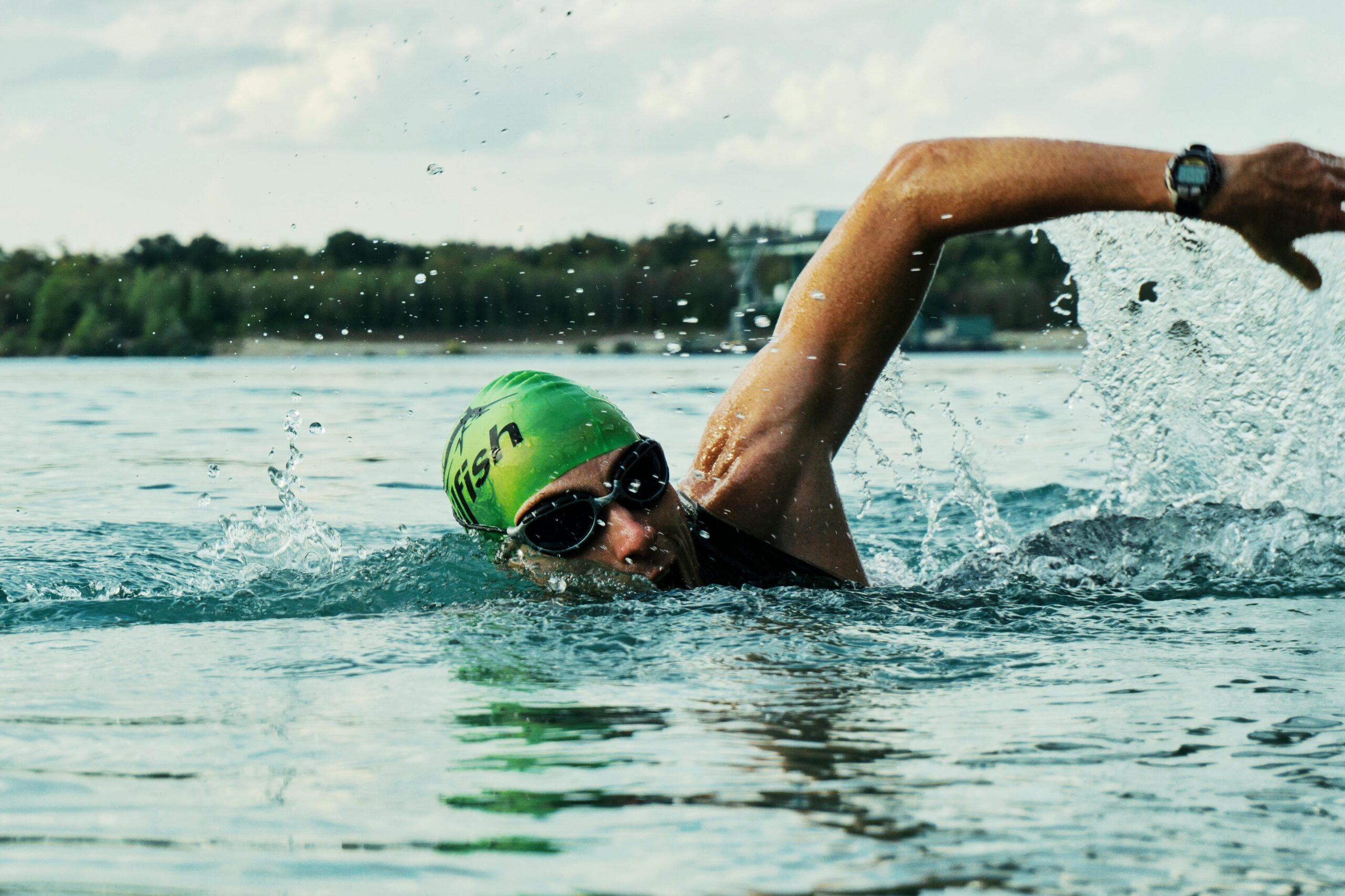
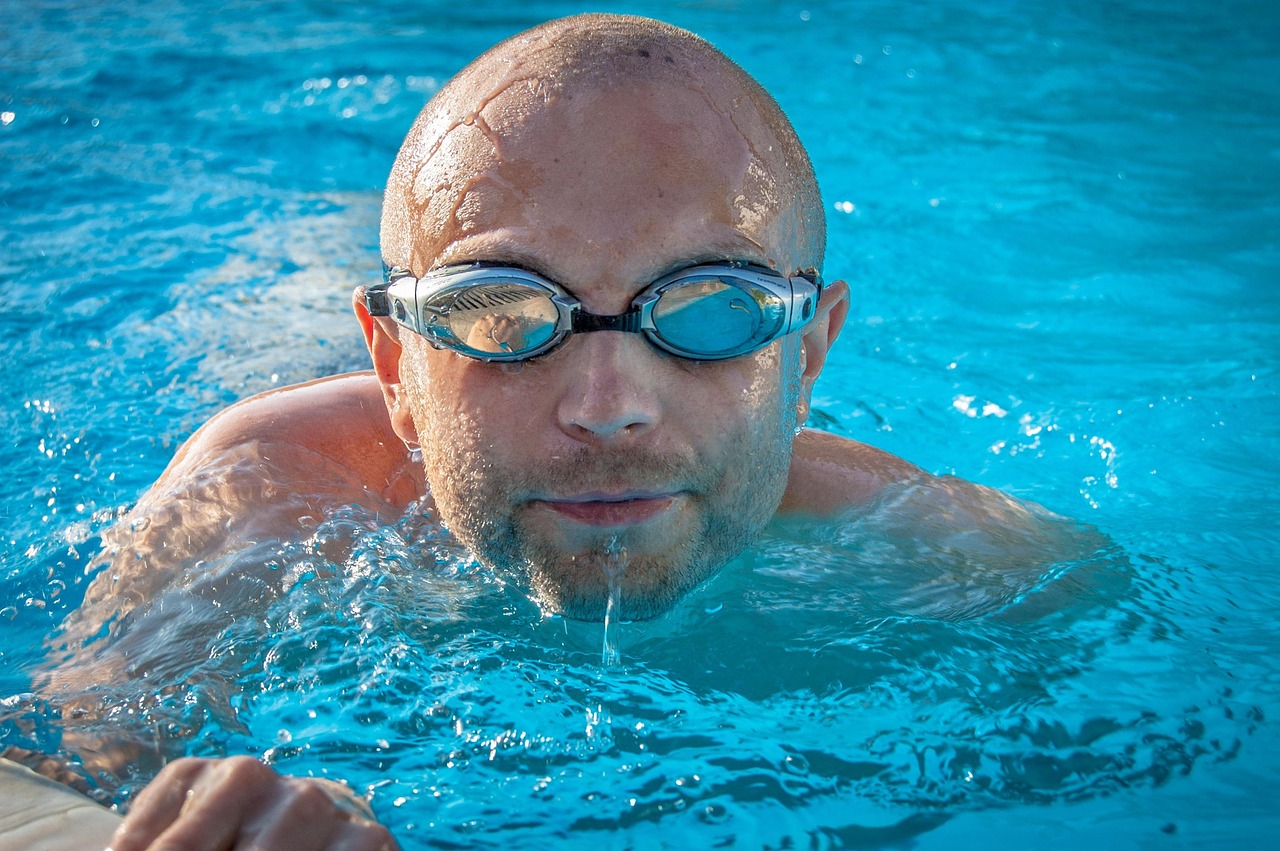
Water sports require special consideration since goggles are completely submerged. Pre-soak goggles in cold water before entering the pool or ocean to minimize temperature shock. For diving, equalization techniques that force water into the mask should be followed by clearing procedures that also refresh the anti-fog coating. Never touch the inside of the lens with your fingers—skin oils are the enemy of fog-free swimming.
Cycling and Mountain Biking
Cyclists face variable conditions from high-speed descents to slow climbs where perspiration increases. Choose goggles or glasses with excellent ventilation and consider photochromic lenses that adapt to changing light conditions. Position eyewear slightly away from your face when climbing to maximize airflow, then secure them closer for descents. Sweatbands or cycling caps help prevent perspiration from reaching your lenses.
🛠️ Emergency Fog-Clearing Techniques
Despite your best prevention efforts, fog sometimes appears mid-activity. Knowing quick clearing techniques can save your adventure. The simplest method involves creating airflow—remove goggles briefly, wave them through the air, and replace them. This works best in cold, dry conditions.
For immediate temporary relief, press the goggle lens gently against your forehead or cheek to warm it slightly, reducing the temperature differential. Some athletes carry small microfiber cloths specifically for gentle interior dabbing, though touching the lens should always be a last resort.
📊 Comparing Anti-Fog Methods: What Works Best
| Method | Duration | Cost | Convenience | Effectiveness |
|---|---|---|---|---|
| Saliva | 1-2 hours | Free | High | Good |
| Dish Soap | 3-4 hours | Very Low | Medium | Very Good |
| Shaving Cream | 6-8 hours | Low | Medium | Excellent |
| Anti-Fog Spray | 4-6 hours | Medium | High | Excellent |
| Anti-Fog Wipes | 3-5 hours | Medium | Very High | Good |
| Gel Treatment | Multiple days | High | Low | Outstanding |
🎯 Long-Term Goggle Care for Maximum Lifespan
Proper storage extends goggle life significantly. Always store goggles in a protective case or bag—never loose in a backpack where they can get scratched. Keep them away from direct sunlight and heat sources that can warp frames or damage coatings. Avoid leaving goggles in cars during summer, where interior temperatures can reach lens-damaging levels.
Inspect your goggles regularly for signs of wear. Check straps for elasticity loss, foam padding for compression or separation, and lenses for scratches or coating degradation. Many manufacturers offer replacement parts, allowing you to extend goggle life without replacing the entire unit. The strap and foam typically wear out before lenses, making them prime candidates for replacement.
Seasonal Storage Tips
At season’s end, perform thorough cleaning and ensure goggles are completely dry before long-term storage. Stuff the interior lightly with acid-free tissue paper to maintain shape and absorb any residual moisture. Store in a climate-controlled environment away from extreme temperatures and humidity fluctuations. These simple steps ensure your goggles emerge next season ready for action without musty odors or degraded materials.
🌟 Advanced Technology: The Future of Fog-Free Vision
Emerging technologies are revolutionizing goggle design. Some high-end models now feature battery-powered heating elements that maintain lens temperature slightly above ambient air, eliminating the temperature differential that causes fogging. These systems typically run for 6-8 hours on a single charge.
Nanotechnology coatings represent another breakthrough, with molecular-level treatments that permanently alter lens surface properties. These create super-hydrophobic surfaces where water cannot form droplets, instead sheeting off immediately. While more expensive initially, these treatments can last the entire lifespan of the goggle without reapplication.
💪 Building Your Complete Anti-Fog Arsenal
Creating a comprehensive fog-prevention system involves multiple layers of defense. Start with quality goggles featuring built-in anti-fog coatings and excellent ventilation. Add a preferred anti-fog treatment method—many athletes use commercial sprays for convenience combined with emergency DIY techniques as backup.
Assemble a goggle care kit containing microfiber cloths, specialized lens cleaner, your chosen anti-fog product, and a protective case. Keep this kit with your activity gear so everything you need is always accessible. Consider having multiple goggles for different conditions—darker lenses for bright days, lighter for overcast conditions, each maintained with appropriate anti-fog treatments.
🏔️ Real-World Success: Putting It All Together
The most effective approach combines preventive measures with reactive techniques. Before every adventure, apply your preferred anti-fog treatment to clean lenses. Ensure proper goggle fit and appropriate clothing layers for the conditions. During activity, manage your exertion level and adjust ventilation as needed. When fog does appear, employ quick-clearing techniques rather than continuing with impaired vision.
Remember that consistent maintenance matters more than any single technique. Goggles that receive regular cleaning, proper storage, and timely anti-fog applications will outperform premium goggles that are neglected. Develop these habits into routine, and crystal-clear vision becomes automatic rather than a constant challenge.
Clear vision transforms outdoor adventures from frustrating struggles into pure enjoyment. By understanding fogging causes, implementing proven prevention strategies, and maintaining proper goggle care, you’ll spend less time dealing with fog and more time experiencing the thrill of your favorite activities. Whether conquering mountain peaks, exploring underwater worlds, or racing down trails, these comprehensive anti-fog solutions ensure nothing stands between you and the perfect view ahead. 🎿