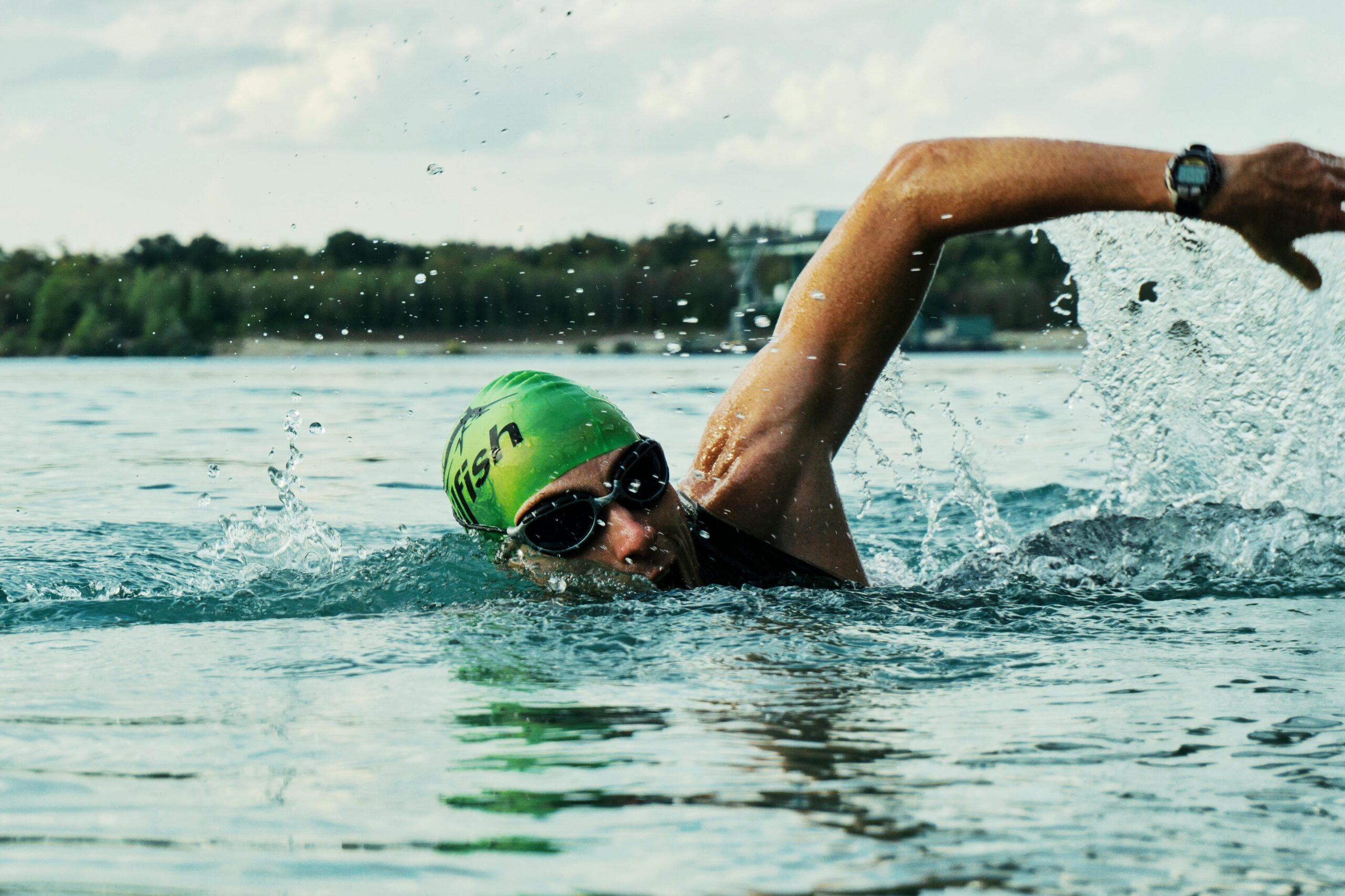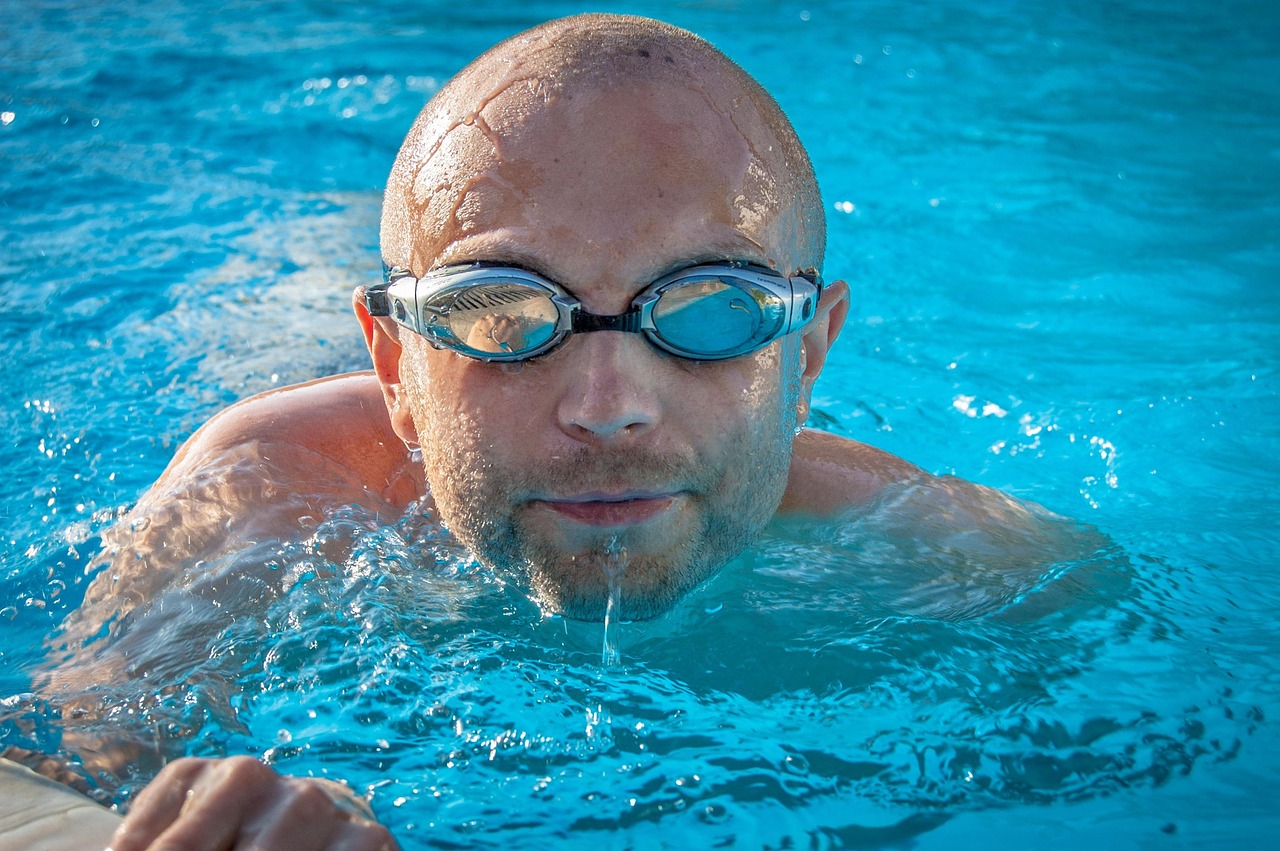
Open-water swimming demands more than courage and skill—it requires the right gear to keep you safe, warm, and performing at your peak.

Whether you’re preparing for your first triathlon, exploring coastal waters, or training for long-distance swims, your wetsuit becomes your second skin in the water. The difference between an ill-fitting suit and a perfect match can mean the difference between an exhilarating adventure and an uncomfortable, potentially dangerous experience. Understanding how to choose the right wetsuit isn’t just about comfort—it’s about maximizing your performance, extending your swimming season, and ensuring your safety in unpredictable open-water conditions.
🌊 Why Your Wetsuit Choice Matters More Than You Think
The importance of a properly fitted wetsuit extends far beyond simple warmth. When you’re swimming in open water, you’re facing challenges that pool swimmers never encounter: changing temperatures, currents, waves, and potentially long durations in the water. Your wetsuit serves multiple critical functions simultaneously.
First and foremost, thermal protection keeps your core body temperature stable. Even in seemingly warm water, hypothermia can set in faster than most swimmers realize. Water temperatures below 77°F (25°C) will gradually sap your body heat, and anything below 60°F (15°C) becomes genuinely dangerous without proper protection. A quality wetsuit creates a thin layer of water between your skin and the neoprene, which your body warms and maintains throughout your swim.
Beyond temperature regulation, your wetsuit provides buoyancy that improves your body position in the water. This natural lift helps maintain proper swimming form even as fatigue sets in, making you more efficient and faster. Additionally, the right wetsuit offers protection from jellyfish stings, abrasions from rocks or coral, and harmful UV rays during long exposure periods.
Understanding Wetsuit Thickness and Temperature Ratings
Wetsuit thickness directly correlates with the water temperature you’ll encounter, and choosing the right thickness is fundamental to your comfort and performance. Neoprene thickness is typically expressed in millimeters, and most swimming wetsuits range from 1mm to 5mm.
For warmer waters between 65-75°F (18-24°C), a thinner wetsuit of 2-3mm provides adequate warmth without restricting movement. These suits are ideal for summer swimming, sprint triathlons, and training sessions. The reduced material allows for greater flexibility in your shoulders and arms, which is crucial for maintaining proper stroke mechanics.
When water temperatures drop to 50-65°F (10-18°C), you’ll need a thicker wetsuit in the 4-5mm range. These suits often feature varying thickness throughout the garment—thicker neoprene on the core and legs for warmth, with thinner material on the arms and shoulders for flexibility. This strategic construction balances thermal protection with swimming performance.
The Science Behind Variable Thickness Design
Modern high-performance wetsuits rarely use uniform thickness throughout the entire suit. Manufacturers employ sophisticated paneling that places thicker neoprene where you need warmth most and thinner material where you need flexibility. Your torso and thighs typically feature the thickest neoprene since protecting your core temperature is paramount.
Your shoulders, underarms, and upper back usually incorporate thinner, more flexible material. These areas require maximum range of motion for efficient swimming strokes. Some premium wetsuits even use different neoprene formulations in different zones—softer, stretchier material in high-movement areas and denser, more buoyant material in the legs and hips.
🏊 Fit Points That Define Your Swimming Experience
A wetsuit that fits perfectly off the rack is rare, but understanding the critical fit points helps you determine if a suit will work for your body type and swimming style. The neck should fit snugly without choking or creating gaps that allow water to flush through constantly. A finger’s width of space is ideal—tight enough to minimize water entry but comfortable enough for extended wear.
Shoulder and arm mobility represents the most crucial performance aspect of wetsuit fit. When you extend your arms forward in a swimming position, you shouldn’t feel significant restriction. If the suit pulls excessively across your back or shoulders, you’ll fatigue faster and your stroke efficiency will suffer. Test this by mimicking your swimming stroke on dry land before purchasing.
The torso should feel snug throughout without restricting breathing. If you can easily pinch more than an inch of excess material around your midsection, the suit is too large and will allow water to circulate freely, reducing thermal protection. Conversely, if the suit compresses your ribcage uncomfortably, it’s too small and will restrict your breathing during exertion.
Lower Body Fit Considerations
The legs and hips should fit smoothly without baggy areas or excessive pulling. Bunching material behind your knees or at the ankles creates drag and affects your swimming efficiency. The suit should extend to your ankles without cutting off circulation or leaving gaps. Some swimmers with particularly muscular thighs may need to size up to accommodate this area, even if it means slightly more room elsewhere.
The crotch area requires special attention—too loose and you’ll experience uncomfortable chafing and water flow; too tight and you’ll face restriction and discomfort. This fit point is often where sizing discrepancies become most apparent between manufacturers.
Sleeve Length and Style Options
Wetsuits come in several sleeve configurations, each suited to different conditions and preferences. Full-sleeve suits provide maximum warmth and coverage, making them ideal for colder waters and longer swims. The sleeves should end at your wrists without bunching, allowing for smooth water entry with each stroke.
Sleeveless wetsuits offer maximum shoulder mobility and work well in warmer conditions or for swimmers who prioritize freedom of movement over thermal protection. These suits are popular among triathletes who swim in relatively warm water and want to minimize transition time.
Short-sleeve options split the difference, providing some arm coverage and warmth while offering more mobility than full sleeves. Consider your typical swimming conditions, water temperature, and personal cold tolerance when choosing sleeve length.
💪 Material Quality and Construction Features
Not all neoprene is created equal, and the quality of materials significantly impacts both performance and durability. Premium wetsuits use Yamamoto neoprene from Japan, known for its superior stretch, warmth-to-weight ratio, and environmental sustainability. This limestone-based neoprene offers better flexibility than petroleum-based alternatives while maintaining excellent thermal properties.
Seam construction dramatically affects comfort, durability, and water resistance. Flatlock stitching is common in budget wetsuits but allows water to seep through the seams. Blind-stitched seams are glued and stitched without penetrating through the neoprene completely, significantly reducing water entry. The highest-quality wetsuits use glued and blind-stitched (GBS) seams with liquid-sealed tape over the stitching for virtually waterproof construction.
Interior lining affects both comfort and donning ease. Smooth-skin neoprene directly against your skin provides excellent water sealing but can be challenging to put on without lubrication. Fleece or plush linings feel more comfortable, wick moisture, and slide on more easily but may allow slightly more water circulation. Some suits use smooth-skin in critical areas like the neck and wrists while incorporating comfortable linings throughout the body.
Buoyancy-Enhancing Technologies
Many modern swimming wetsuits incorporate special buoyancy panels or materials designed to improve body position. These features typically appear in the legs, hips, and core area, helping to lift your lower body and maintain the streamlined horizontal position essential for efficient swimming. While these technologies benefit most swimmers, particularly those with less natural buoyancy, they’re not strictly necessary for everyone.
🎯 Sizing Systems and Brand Variations
Wetsuit sizing lacks universal standardization, meaning a size medium from one manufacturer might fit completely differently than a medium from another brand. Most companies provide detailed size charts based on height, weight, chest, and waist measurements. Take your measurements accurately and consult each manufacturer’s specific chart rather than assuming your usual clothing size applies.
Some brands cater to specific body types better than others. Certain manufacturers design suits with longer torsos, while others accommodate broader shoulders or more muscular builds. Reading reviews from swimmers with similar body types helps identify which brands might work best for your proportions.
When measurements fall between sizes, consider your body composition and swimming priorities. If you’re between sizes but relatively lean, size down for a tighter, more performance-oriented fit. If you’re more muscular or prefer comfort over maximum performance, sizing up slightly might prove more comfortable for longer swims.
Entry Systems and Zipper Configurations
The zipper configuration affects both ease of donning and swimming efficiency. Traditional back-zip wetsuits remain popular for their ease of entry and affordability. However, the zipper creates a relatively inflexible panel down your spine, somewhat restricting rotation and flexibility. Most back-zip suits include a long cord attached to the zipper pull, allowing you to zip up independently.
Chest-zip entry systems route the zipper horizontally across the upper chest, eliminating the rigid back panel and allowing greater flexibility through your spine and shoulders. These suits typically perform better for serious swimmers but can be trickier to get into and out of, often requiring assistance or practice.
The newest innovation—zipperless wetsuits—use highly elastic neck openings and neoprene formulations to eliminate zippers entirely. These suits offer maximum flexibility and durability since zippers represent common failure points. However, they can be challenging to enter and exit, requiring good technique and sometimes lubrication.
🔍 Testing Your Wetsuit Before Committing
Whenever possible, test your wetsuit in the water before your important swim or race. Many specialty retailers and some manufacturers offer trial periods or demo programs. A suit that feels acceptable on dry land might reveal problems once you’re swimming—restriction, chafing, water infiltration, or other issues.
During your test swim, pay attention to several key factors. Does water constantly flush through the neck, wrists, or ankles? While some initial water entry is normal, continuous flushing means the suit doesn’t seal properly. Do you experience chafing anywhere, particularly under the arms, neck, or between the thighs? Can you maintain your normal stroke rate and technique without excessive fatigue from fighting the suit?
Test the suit in water temperatures similar to your target swimming conditions. A suit that feels perfect in 70°F water might prove too warm at 75°F or inadequate at 60°F. Understanding your suit’s temperature range through actual testing prevents unpleasant surprises on race day or during important swims.
Maintenance and Longevity Considerations
A quality wetsuit represents a significant investment, and proper care extends its usable life considerably. Always rinse your wetsuit thoroughly with fresh water after each use, particularly after swimming in saltwater or chlorinated pools. Hang it inside-out in a shaded area to dry, never in direct sunlight, which degrades neoprene. Use a wide hanger designed for wetsuits to prevent shoulder stretching and damage.
Store your wetsuit flat or loosely rolled, never folded with permanent creases, which can crack the neoprene. Keep it away from heat sources, chemicals, and ozone-producing equipment. With proper care, a high-quality wetsuit should provide 3-5 years of regular use before the neoprene begins to lose elasticity or thermal properties.
Learn proper donning and removal techniques to minimize stress on seams and zippers. Use wetsuit-specific lubricants on your skin to ease entry and reduce friction. Never pull excessively on the neoprene itself; instead, work the suit up gradually in sections, allowing the material to stretch naturally rather than forcing it.
⚡ When to Upgrade or Replace Your Wetsuit
Even well-maintained wetsuits eventually require replacement. Obvious signs include visible damage—tears, separated seams, or significant neoprene thinning. Less obvious indicators include loss of elasticity, where the suit doesn’t return to its original shape after wearing, or decreased thermal protection, where you feel colder in the same conditions than previously.
Performance improvements in wetsuit technology might justify upgrading even if your current suit remains functional. If your suit is more than five years old, modern materials and construction techniques offer substantially better flexibility, buoyancy, and durability. Competitive swimmers often upgrade every 2-3 years to maintain their performance edge with the latest technology.
Budget Considerations and Value Assessment
Wetsuit prices range from under $100 to over $800, and determining the right investment level depends on your swimming frequency, goals, and conditions. Entry-level suits serve occasional swimmers and those new to open water adequately, though they typically sacrifice flexibility and feature fewer premium materials and construction techniques.
Mid-range wetsuits ($250-$450) offer excellent value for regular open-water swimmers and triathletes. These suits typically include quality neoprene, reliable construction, and enough flexibility for comfortable swimming without the premium price tag of top-tier models.
Premium wetsuits ($500-$800+) target serious competitors and frequent swimmers who demand maximum performance. These suits feature the best materials, most advanced construction, optimal buoyancy positioning, and superior flexibility. For competitive athletes where seconds matter, the performance advantage justifies the investment.
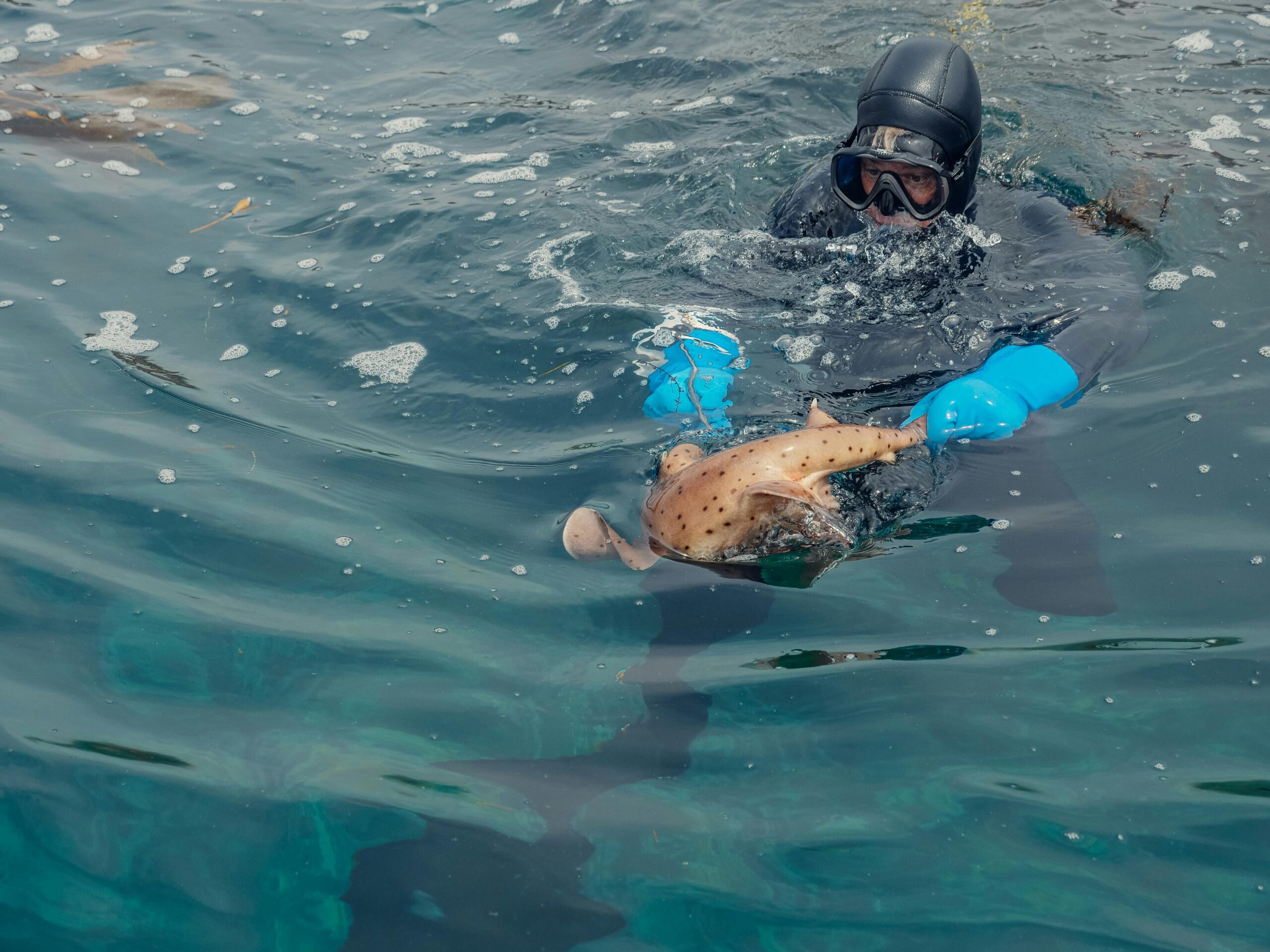
🏁 Making Your Final Decision With Confidence
Choosing the perfect wetsuit combines objective measurements with subjective preferences and individual swimming goals. Start by accurately assessing your typical swimming conditions—water temperature, duration, frequency, and competitive versus recreational focus. This foundation guides every subsequent decision.
Prioritize fit over features. The most technologically advanced wetsuit performs poorly if it doesn’t fit your body properly. Invest time in trying different brands and sizes, preferably from retailers with generous return policies. Remember that a slightly less expensive suit that fits perfectly outperforms a premium suit that doesn’t.
Consider your progression as a swimmer. If you’re just beginning open-water swimming, a mid-range suit provides room to grow into the sport without excessive initial investment. Experienced swimmers with consistent training and racing schedules benefit more from premium features and should invest accordingly.
Your wetsuit represents the most important piece of equipment for open-water swimming success. Taking time to understand fit principles, material qualities, and performance features ensures you select a suit that enhances rather than hinders your swimming adventures. Whether you’re chasing personal records, completing your first triathlon, or simply enjoying the freedom of open-water swimming, the right wetsuit makes every stroke more comfortable, efficient, and enjoyable. With careful selection and proper care, your perfect wetsuit becomes a trusted companion for years of aquatic adventures, keeping you warm, buoyant, and performing at your absolute best in whatever waters you choose to explore.