
Adventure doesn’t have to drain your wallet. With smart choices and strategic planning, you can gear up for incredible experiences while keeping your budget intact and your excitement levels soaring.

The world of outdoor adventures, travel, and exploration has become increasingly accessible to budget-conscious enthusiasts. Gone are the days when quality gear and memorable experiences were reserved exclusively for those with deep pockets. Today’s market offers an abundance of affordable alternatives that don’t compromise on durability or functionality, making it easier than ever to pursue your passions without financial stress.
🎒 Essential Backpacking Gear That Won’t Empty Your Wallet
Your backpack serves as your mobile home during adventures, making it one of the most critical investments. Fortunately, several brands now offer reliable options under $50 that include essential features like padded straps, multiple compartments, and water-resistant materials. Look for packs with a capacity between 40-60 liters for multi-day trips, as this range provides optimal space without unnecessary bulk.
When selecting budget-friendly backpacks, prioritize durability over brand recognition. Many lesser-known manufacturers produce excellent quality products using similar materials to premium brands. Check for reinforced stitching, quality zippers, and adjustable torso lengths. These features ensure your investment lasts through countless adventures rather than failing after a single season.
Sleeping Systems for Comfortable Nights Under the Stars
Quality sleep remains crucial for enjoyable adventures, yet sleeping bags and pads represent significant expenses. Budget-conscious adventurers can find synthetic sleeping bags rated for three seasons between $30-$80 that perform admirably in most conditions. While down insulation offers superior warmth-to-weight ratios, synthetic alternatives excel in damp environments and cost considerably less.
Sleeping pads deserve equal attention, as they provide insulation and cushioning from the ground. Foam pads offer the most affordable option at $15-$30, proving virtually indestructible and requiring zero inflation. Self-inflating pads provide more comfort at slightly higher prices, typically ranging from $40-$70. Consider your sleeping style, typical camping conditions, and transportation methods when making this choice.
📱 Technology Tools for Modern Adventurers on a Budget
Smartphones have revolutionized adventure planning and navigation, transforming expensive GPS devices into optional luxuries. Numerous free and low-cost applications provide comprehensive mapping, weather forecasting, and trip planning capabilities. Download offline maps before departing to access critical information without cell service, ensuring you stay oriented regardless of connectivity.
Power banks have become essential companions for extended trips, keeping devices charged when electrical outlets remain miles away. Quality options now start around $20 for 10,000mAh capacity, sufficient for multiple smartphone charges. Solar chargers represent another budget-friendly option for longer expeditions, with reliable models available between $25-$50 that harness renewable energy for sustainable power.
Adventure Photography Without Premium Price Tags
Capturing memories doesn’t require professional camera equipment anymore. Modern smartphones produce stunning images that rival dedicated cameras from just a few years ago. Invest instead in affordable accessories like phone tripods ($15-$25), waterproof cases ($10-$30), and clip-on lenses ($20-$40) that expand your creative possibilities without the weight and expense of traditional camera gear.
Action cameras have also become incredibly affordable, with budget-friendly alternatives to premium brands offering 4K recording, waterproofing, and mounting accessories for under $100. These compact devices excel at documenting dynamic activities like hiking, cycling, and water sports, creating engaging content that brings your adventures to life for friends and family.
🥾 Footwear Foundations: Walking the Line Between Cost and Quality
Proper footwear represents perhaps the single most important gear decision for any adventurer. Blisters, injuries, and discomfort can transform exciting journeys into miserable ordeals. However, excellent hiking boots and trail shoes exist across all price ranges, with many sub-$100 options providing adequate support and durability for most recreational users.
Trail running shoes have emerged as versatile alternatives to traditional hiking boots, offering lightweight comfort at lower price points. These shoes typically cost between $60-$90 and excel on maintained trails and moderate terrain. Their breathability and flexibility make them ideal for warm weather adventures and fast-paced hiking styles, though they provide less ankle support than boots.
Breaking In Without Breaking Down
Regardless of price point, proper break-in procedures prevent painful experiences on the trail. Wear new footwear around town for short periods, gradually increasing duration and difficulty. This process molds the shoes to your feet while revealing potential problem areas before you’re miles from civilization. Quality insoles, available for $20-$40, dramatically improve comfort and support in budget footwear, often matching or exceeding the performance of more expensive options.
🏕️ Shelter Solutions for Every Budget Level
Tents protect you from elements while providing psychological comfort in wilderness settings. Entry-level two-person tents from reputable brands start around $60-$80, offering adequate weather protection for fair-weather camping. These budget options typically use heavier materials and simpler designs than premium models, but they perform admirably for casual adventurers who prioritize affordability over weight savings.
Alternative shelter systems like tarps and bivy sacks cost even less while providing experienced users with lightweight versatility. A quality tarp costs $20-$50 and weighs mere ounces, requiring only creativity and practice to configure for various conditions. Combined with a bivy sack ($30-$60), this system offers weather protection comparable to lightweight tents at a fraction of the cost and weight.
Hammock Camping: The Affordable Comfort Revolution
Camping hammocks have exploded in popularity, offering comfort and versatility at budget-friendly prices. Complete hammock systems including suspension, bug netting, and rain flies cost between $50-$120, often weighing less than traditional tent setups. This approach works wonderfully in wooded environments, elevating you off rocky or wet ground while providing surprisingly comfortable sleep.
🍳 Cooking Equipment for Trail-Ready Meals
Satisfying meals fuel adventures while boosting morale during challenging moments. Fortunately, backcountry cooking requires minimal equipment investment. Compact camp stoves using canister fuel start around $15-$30, boiling water efficiently for dehydrated meals, coffee, and hot drinks. These simple systems prove remarkably reliable, with minimal maintenance requirements across years of use.
Cookware specifically designed for camping costs surprisingly little, with titanium-style pot sets available for $25-$40. Alternatively, repurpose everyday items like aluminum pots or even large tin cans for ultralight budgets. A long-handled spoon, multi-tool with can opener, and lightweight bowl complete your kitchen setup for under $20 combined, proving you don’t need specialized equipment for every function.
Food Planning Strategies That Save Money and Weight
Pre-packaged backpacking meals offer convenience but cost $8-$12 per serving. Creating DIY meal packages using grocery store ingredients reduces costs by 60-70% while allowing complete customization. Instant rice, pasta, dried beans, oatmeal, and dehydrated vegetables form filling bases, with spices, nuts, and dried fruits adding flavor and nutrition without breaking your budget.
💧 Hydration Systems for Sustained Performance
Water access determines adventure possibilities more than almost any other factor. Reusable water bottles represent the most budget-friendly solution, with durable plastic bottles costing $5-$15 and insulated stainless steel options ranging from $15-$30. Carrying multiple smaller bottles often works better than single large containers, distributing weight while providing backup if one leaks or breaks.
Water filtration extends your range by allowing you to safely use natural sources. Squeeze-style filters cost $20-$35 and remove bacteria and protozoa from thousands of liters before requiring replacement. Chemical treatments like iodine or chlorine dioxide tablets cost even less at $8-$15 per bottle, treating 25-50 liters while taking up minimal pack space. Boiling remains the most reliable and cost-free purification method, requiring only your stove and patience.
👕 Clothing Choices That Balance Budget and Performance
Outdoor clothing represents another area where strategic shopping yields significant savings. Avoid cotton fabrics, which retain moisture and lose insulating properties when wet. Instead, seek synthetic or wool-blend options from discount retailers, which often cost 50-70% less than outdoor specialty brands while providing similar performance characteristics.
Layering systems prove more versatile and budget-friendly than single-purpose garments. A moisture-wicking base layer ($15-$30), insulating mid-layer like a fleece or synthetic jacket ($25-$50), and waterproof outer shell ($40-$80) adapt to changing conditions far better than specialized pieces costing hundreds of dollars. Thrift stores and clearance sales offer incredible deals on quality outdoor clothing from previous seasons, with discounts often reaching 70-80% off original retail prices.
Weather Protection Without Premium Pricing
Rain gear determines comfort during wet conditions, making it a worthwhile investment even on tight budgets. Affordable rain jackets using waterproof coatings rather than breathable membranes cost $30-$60, providing adequate protection for most situations. Pack weight increases slightly compared to expensive alternatives, but functionality remains solid for recreational users. Rain pants complete your weather protection for an additional $20-$40, keeping you dry and warm when conditions deteriorate.
🧭 Navigation Tools for Confident Exploration
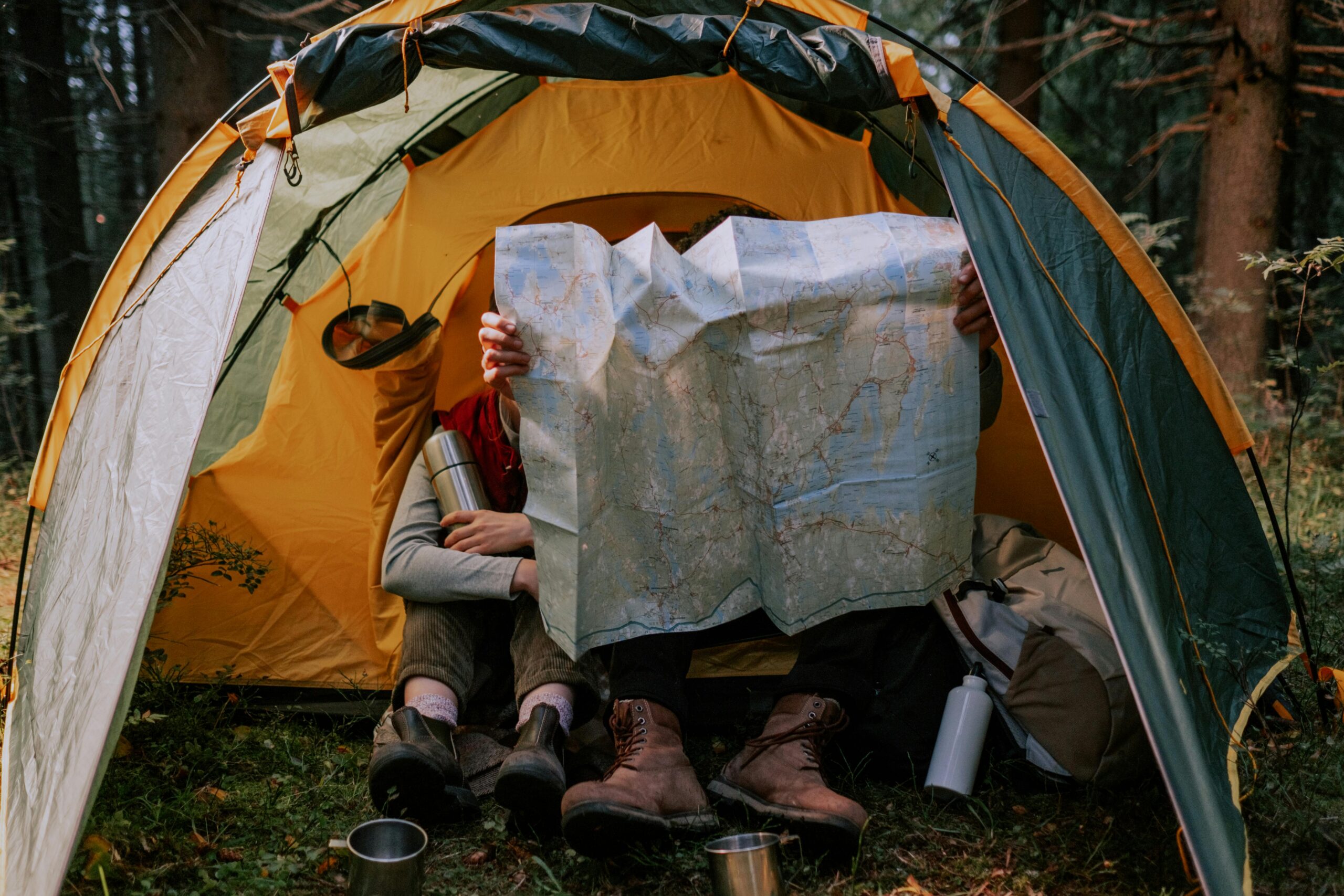
Getting lost transforms adventures into emergencies, making reliable navigation essential. Traditional map and compass combinations cost under $30 combined while never requiring batteries or signal reception. Learning these fundamental skills provides confidence and independence, allowing you to explore beyond maintained trails and crowded destinations where true adventure often begins.
GPS devices have become optional rather than essential thanks to smartphone capabilities. Free mapping applications provide detailed topographic information, track recording, and waypoint management rivaling dedicated GPS units costing hundreds of dollars. Download maps for offline use before trips, ensuring access regardless of cellular coverage. A protective case and backup power bank complete your digital navigation system affordably.
🎯 Smart Shopping Strategies for Maximum Value
Timing purchases strategically yields substantial savings on quality gear. End-of-season sales in fall and spring offer 40-70% discounts as retailers clear inventory for incoming products. Previous year models perform identically to current versions while costing significantly less, as outdoor gear technology evolves slowly compared to electronics or fashion industries.
Online marketplaces and gear swap groups provide access to gently used equipment at fraction of retail costs. Many adventurers upgrade gear frequently, selling perfectly functional items at steep discounts. Inspect used gear carefully for damage, excessive wear, or missing components, but don’t hesitate to buy second-hand when items meet your needs and standards.
Building Your Kit Gradually Over Time
Accumulating complete adventure kits overnight strains budgets unnecessarily. Start with essentials like footwear, backpack, and shelter, then add items as finances allow and needs become apparent. Borrowing or renting specialized equipment for specific trips helps you evaluate needs before committing to purchases, preventing expensive mistakes on gear that doesn’t match your adventure style.
🌟 Maximizing Adventures While Minimizing Expenses
Budget-friendly adventuring extends beyond gear to trip planning and destination selection. Local and regional opportunities often provide experiences rivaling distant destinations at fractions of the cost. State parks, national forests, and public lands offer incredible settings for hiking, camping, and exploration within day-trip distances, eliminating expensive travel and accommodation costs while building skills for bigger adventures.
Group trips split transportation costs while building community and safety through shared experiences. Carpooling to trailheads, sharing campsites, and coordinating gear reduces individual expenses substantially. Many outdoor clubs and meetup groups organize regular outings welcoming newcomers, providing mentorship and companionship alongside cost savings.
The ultimate truth about adventure gear is that expensive equipment doesn’t create memorable experiences—your attitude, preparation, and willingness to explore do. Budget-friendly options now perform remarkably well for recreational users, with quality improvements across all price ranges making outdoor pursuits accessible to everyone. By focusing on essential items, shopping strategically, and prioritizing experience over equipment, you’ll discover that the best adventures come from curiosity and determination rather than premium price tags. Start with what you can afford, learn continuously, and watch your capabilities grow alongside your gear collection. The trails, peaks, and wild places await your exploration, regardless of your budget constraints.