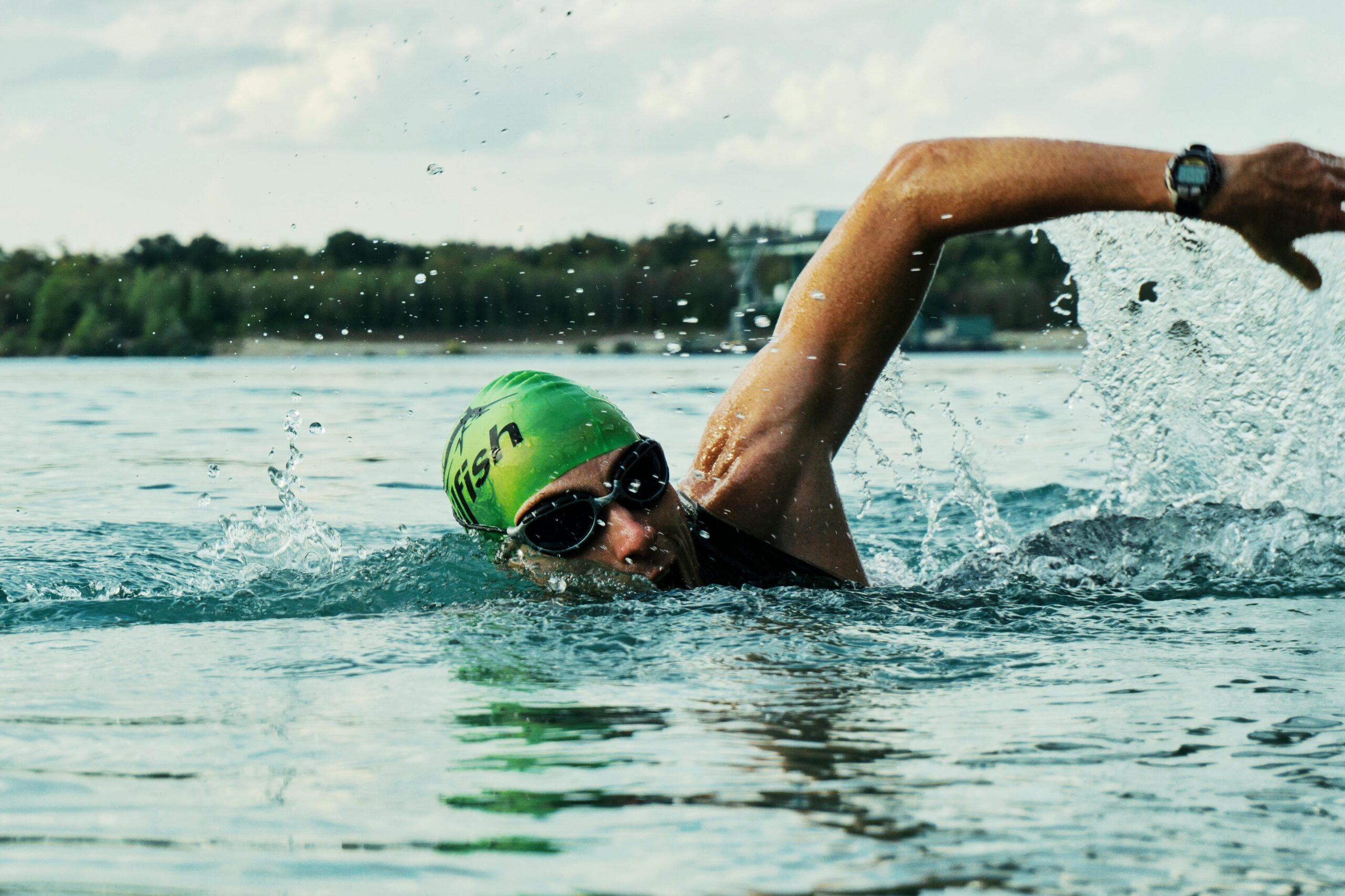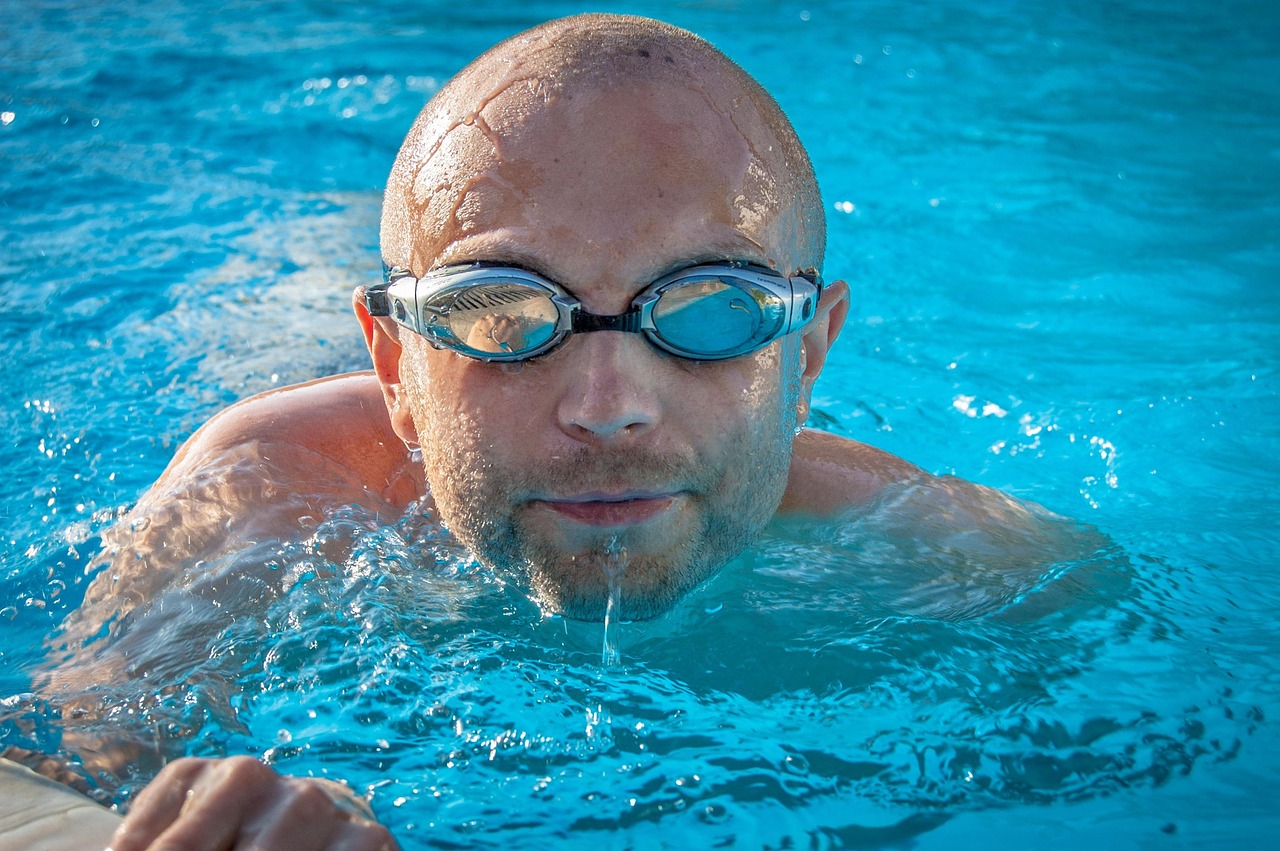
Modern athletic excellence isn’t just about dedication and discipline anymore. The equipment athletes use has become a critical factor in determining who reaches the podium and who falls short.

From weekend warriors to Olympic champions, the right gear upgrades can mean the difference between breaking through performance plateaus and staying stuck in mediocrity. This transformation isn’t just about having expensive equipment—it’s about understanding how strategic investments in training tools can fundamentally change outcomes, accelerate progress, and rewrite success stories across every sport and fitness discipline.
🎯 The Science Behind Performance-Enhancing Equipment
The relationship between gear and performance isn’t merely psychological—it’s deeply rooted in biomechanics, physics, and physiology. When athletes upgrade their equipment, they’re not just buying better products; they’re investing in tools that reduce energy waste, improve force transfer, and minimize injury risk.
Research consistently demonstrates that proper equipment can improve performance metrics by 3-15% depending on the sport. In competitive environments where milliseconds separate champions from also-rans, these margins are enormous. A lighter running shoe with better energy return can shave seconds off a marathon time. A more aerodynamic cycling helmet can reduce drag by measurable watts. A properly fitted weightlifting belt can allow for safer lifting at higher loads.
The mechanisms are diverse but interconnected. Better materials reduce unnecessary weight while maintaining structural integrity. Advanced designs optimize body positioning and movement patterns. Enhanced feedback systems help athletes make real-time adjustments. Together, these improvements create compound effects that transform training outcomes.
Biomechanical Efficiency and Energy Conservation
Every movement in athletic training involves energy expenditure. Poor equipment forces the body to compensate—wasting energy on stabilization, fighting against suboptimal positioning, or recovering from inefficient movement patterns. Quality gear upgrades address these inefficiencies directly.
Consider running shoes with carbon-fiber plates. Studies show they can improve running economy by up to 4%, meaning athletes use less oxygen at the same pace. Over the course of a marathon, this translates to significantly better times or reduced fatigue. The same principle applies across sports: equipment that works with your biomechanics rather than against them multiplies training effectiveness.
💪 Real-World Transformation Stories
The abstract benefits of gear upgrades become concrete when we examine actual athlete experiences. Across sports and skill levels, strategic equipment investments have catalyzed breakthrough performances that seemed impossible before.
Take Sarah, a recreational triathlete who struggled with cycling segments for years. After switching from her department store hybrid bike to an entry-level road bike with proper fitting, her average speed increased by 3.2 mph within weeks. The upgrade wasn’t even top-tier—it was simply appropriate equipment that matched her training goals. Six months later, she qualified for her first championship race.
Or consider Marcus, a powerlifter stuck at a 405-pound deadlift for eight months. After investing in quality lifting shoes with elevated heels and proper ankle support, he added 45 pounds to his max within two months. The shoes didn’t make him stronger—they allowed him to access strength he already possessed but couldn’t express through poor positioning.
From Amateur to Competitive: Equipment as a Catalyst
The transition from casual participation to competitive performance often hinges on gear upgrades. Amateur athletes frequently underestimate how much their equipment holds them back, attributing plateaus to training deficiencies when equipment limitations are the real culprit.
Professional coaches consistently report that appropriate gear upgrades produce immediate performance jumps—sometimes within the first session. This isn’t magic; it’s the removal of artificial limitations that were masking true potential.
🏃♀️ Sport-Specific Gear Revolutions
Different sports have experienced their own equipment revolutions, each transforming what’s possible for athletes at every level. Understanding these sport-specific advances helps athletes make informed upgrade decisions that deliver maximum impact.
Running: From Cushioning to Energy Return
Running shoe technology has evolved dramatically over the past decade. The shift from pure cushioning to energy-return systems represents a fundamental rethinking of what footwear should accomplish. Modern shoes don’t just protect feet—they actively contribute to forward propulsion.
Carbon-plated shoes have become game-changers for distance runners. While initially controversial, these designs have proven their value across skill levels. Recreational runners report feeling fresher at the end of long runs, while elite athletes have shattered records that stood for decades.
- Improved running economy reduces oxygen consumption at race pace
- Enhanced energy return decreases muscular fatigue over distance
- Better stability reduces injury risk during high-mileage training
- Lightweight construction minimizes energy waste from shoe weight
Strength Training: Precision Tools for Progressive Overload
The strength training world has seen equipment innovations that fundamentally change how athletes build muscle and power. Beyond basic weights, specialized tools optimize specific training adaptations.
Quality barbells with proper knurling and spin characteristics allow for better grip and safer lifts. Adjustable dumbbells enable seamless progressive overload without space-consuming racks. Resistance bands with precise tension ratings provide variable resistance patterns that traditional weights cannot replicate.
Perhaps most impactful are wearable devices that track bar velocity, power output, and movement patterns. Athletes can now quantify training intensity with precision, adjusting loads and volumes based on objective data rather than subjective feel. This data-driven approach accelerates progress while reducing injury risk.
Cycling: Aerodynamics and Power Measurement
Cycling performance depends heavily on equipment quality. The difference between entry-level and mid-range bicycles represents massive performance gaps—differences that training alone cannot overcome.
Power meters have revolutionized cycling training by providing instant feedback on effort output. Instead of guessing intensity through heart rate or perceived exertion, cyclists now train within precise power zones. This accuracy prevents undertraining and overtraining, optimizing every session for maximum adaptation.
Aerodynamic improvements deliver measurable speed gains. Wind tunnel testing shows that proper positioning and equipment can save 20-50 watts at racing speeds—equivalent to months or years of fitness gains achieved instantly through equipment optimization.
📊 Quantifying the Impact: Performance Metrics That Matter
Understanding how gear upgrades affect performance requires looking at specific, measurable outcomes. Across sports, certain metrics consistently improve following strategic equipment investments.
| Sport | Metric | Typical Improvement Range |
|---|---|---|
| Running | Race Pace Economy | 3-7% reduction in effort |
| Cycling | Average Power Output | 5-10% increase at threshold |
| Weightlifting | Maximum Load Capacity | 8-15% immediate improvement |
| Swimming | Stroke Efficiency | 4-8% reduction in drag |
| Rowing | Power-to-Speed Ratio | 6-12% optimization |
These improvements aren’t hypothetical—they’re documented across thousands of athletes who made strategic gear upgrades. The ranges reflect variables like initial equipment quality, athlete skill level, and specific upgrade choices, but the trend remains consistent: appropriate equipment investments deliver measurable performance gains.
🔄 The Upgrade Strategy: Timing and Prioritization
Not all gear upgrades deliver equal value, and timing matters significantly. Strategic athletes prioritize upgrades that address their specific limitations and goals rather than chasing the latest trendy equipment.
The foundation-first approach works best. Before investing in advanced technology, ensure basic equipment meets minimum quality standards. A runner with worn-out shoes gains more from proper footwear than from a premium GPS watch. A cyclist with a poorly fitting bike benefits more from professional fitting than from carbon wheels.
Identifying Your Performance Bottlenecks
Effective gear upgrades target specific limitations. Assessment begins with honest evaluation: where does your equipment hold you back versus where does skill or fitness need improvement?
Work with coaches or experienced athletes to identify equipment-related limitations. Sometimes the issues are obvious—shoes with 800 miles showing excessive wear, bikes that don’t fit properly, weights without adequate range for progression. Other times, limitations are subtle, requiring expert eyes to diagnose.
Budget-Conscious Upgrading for Maximum Impact
Strategic upgrades don’t require unlimited budgets. The key is investing where improvements deliver maximum returns. Often, mid-range equipment provides 80-90% of the benefits of top-tier gear at 40-50% of the cost.
Consider the used market for durable equipment like bikes, rowing machines, and strength equipment. Quality gear maintains performance characteristics for years, making secondhand purchases excellent value. Reserve premium investments for items with direct body contact—shoes, cycling shorts, grips—where comfort and fit justify higher costs.
🎖️ Professional Insights: What Elite Athletes Know
Professional athletes understand that equipment optimization is ongoing, not a one-time decision. Their approach to gear upgrades offers valuable lessons for athletes at all levels.
Elite competitors test extensively before committing to equipment changes. They understand that newer or more expensive doesn’t automatically mean better. Performance in controlled conditions determines equipment choices, not marketing claims or price tags.
Professionals also maintain multiple equipment options for different training conditions and goals. They don’t rely on single solutions but rather match gear to specific workout demands. This principle applies to recreational athletes too—having shoes for long runs versus speed work, or different bikes for training versus racing, optimizes performance across training scenarios.
The Marginal Gains Philosophy
British Cycling’s famous marginal gains approach revolutionized how athletes think about performance optimization. The core principle: small improvements across multiple areas compound into significant overall gains.
Equipment upgrades fit perfectly within this framework. Individual upgrades might deliver modest benefits, but combining multiple strategic improvements creates transformative results. Better shoes plus improved apparel plus optimized accessories collectively produce performance jumps far exceeding any single upgrade.
⚡ Technology Integration: Smart Gear and Data-Driven Training
The convergence of equipment and technology represents the current frontier in training optimization. Smart gear doesn’t just perform—it teaches, providing insights that accelerate skill development and adaptation.
Wearable sensors now track variables previously requiring laboratory testing. Heart rate variability, blood oxygen levels, movement asymmetries, and power output all become accessible metrics. This democratization of performance data allows everyday athletes to train with professional-level precision.
Training apps have evolved from simple workout logs to sophisticated coaching platforms. They analyze data from smart equipment, adjust training plans based on recovery status, and provide real-time feedback during workouts. The integration between gear and software creates training ecosystems far more effective than either component alone.
Choosing Technology That Enhances Rather Than Distracts
The abundance of training technology creates decision paralysis. The key is selecting tools that genuinely improve training quality rather than adding complexity without benefit.
Start with technology that addresses specific needs. If pacing is inconsistent, GPS watches with pace alerts help. If strength progression stalls, apps tracking volume and intensity provide clarity. Technology should solve problems, not create obligations.
🌟 Beyond Performance: Injury Prevention and Longevity
While performance gains attract attention, gear upgrades often deliver equally important benefits for injury prevention and training longevity. Equipment that promotes proper biomechanics and reduces cumulative stress keeps athletes training consistently—the ultimate performance advantage.
Proper footwear prevents the overuse injuries that sideline runners. Quality weightlifting equipment enables safe progression without form breakdown. Well-designed cycling components reduce chronic pain from poor positioning. These protective benefits compound over months and years, allowing athletes to accumulate training volume that drives long-term development.
The cost of injuries far exceeds equipment investments. Medical treatments, physical therapy, and lost training time create setbacks that appropriate gear could prevent. Viewing equipment upgrades as injury prevention represents smart long-term thinking.
🚀 Making the Upgrade Decision: Practical Implementation
Understanding gear’s impact is one thing; implementing upgrades strategically is another. Successful equipment transitions follow structured processes that maximize benefits while minimizing disruption.
Research thoroughly before purchasing. Read reviews from athletes with similar goals and body types. Consult with coaches and experienced practitioners. When possible, test equipment before committing—many specialty retailers offer trial periods or demo programs.
Implement upgrades gradually. Changing too much simultaneously makes isolating what helps versus what doesn’t impossible. Introduce one significant upgrade at a time, allowing adaptation periods before assessing impact objectively.
Building Your Personalized Equipment Strategy
Every athlete’s optimal equipment setup is unique, reflecting individual biomechanics, goals, and contexts. Building a personalized strategy requires self-awareness and experimentation.
Document your current baseline—performance metrics, comfort levels, recurring issues. As you upgrade equipment, track changes systematically. Did that new gear actually improve your training, or did it just feel different initially? Objective tracking cuts through marketing hype and placebo effects.
Prioritize upgrades based on your specific training phase and goals. Pre-season might emphasize durability and versatility, while competition periods might justify specialized performance equipment. Align gear choices with current priorities rather than accumulating equipment without strategic purpose.
🎯 The Psychological Edge: Confidence Through Proper Equipment
Beyond biomechanics and physics, gear upgrades deliver psychological benefits that translate to performance improvements. Confidence in your equipment frees mental energy for focus on execution rather than worrying about limitations.
Athletes training with appropriate gear report higher motivation and consistency. Quality equipment makes training more enjoyable, increasing adherence—the factor most predictive of long-term success. When workouts feel better, athletes train more consistently, accumulating the volume that drives adaptation.
The professionalism of using proper equipment also shifts mindset. Athletes who invest in their training tools tend to take training more seriously overall, improving consistency, recovery habits, and goal-setting processes. The gear upgrade becomes a catalyst for broader training improvements.
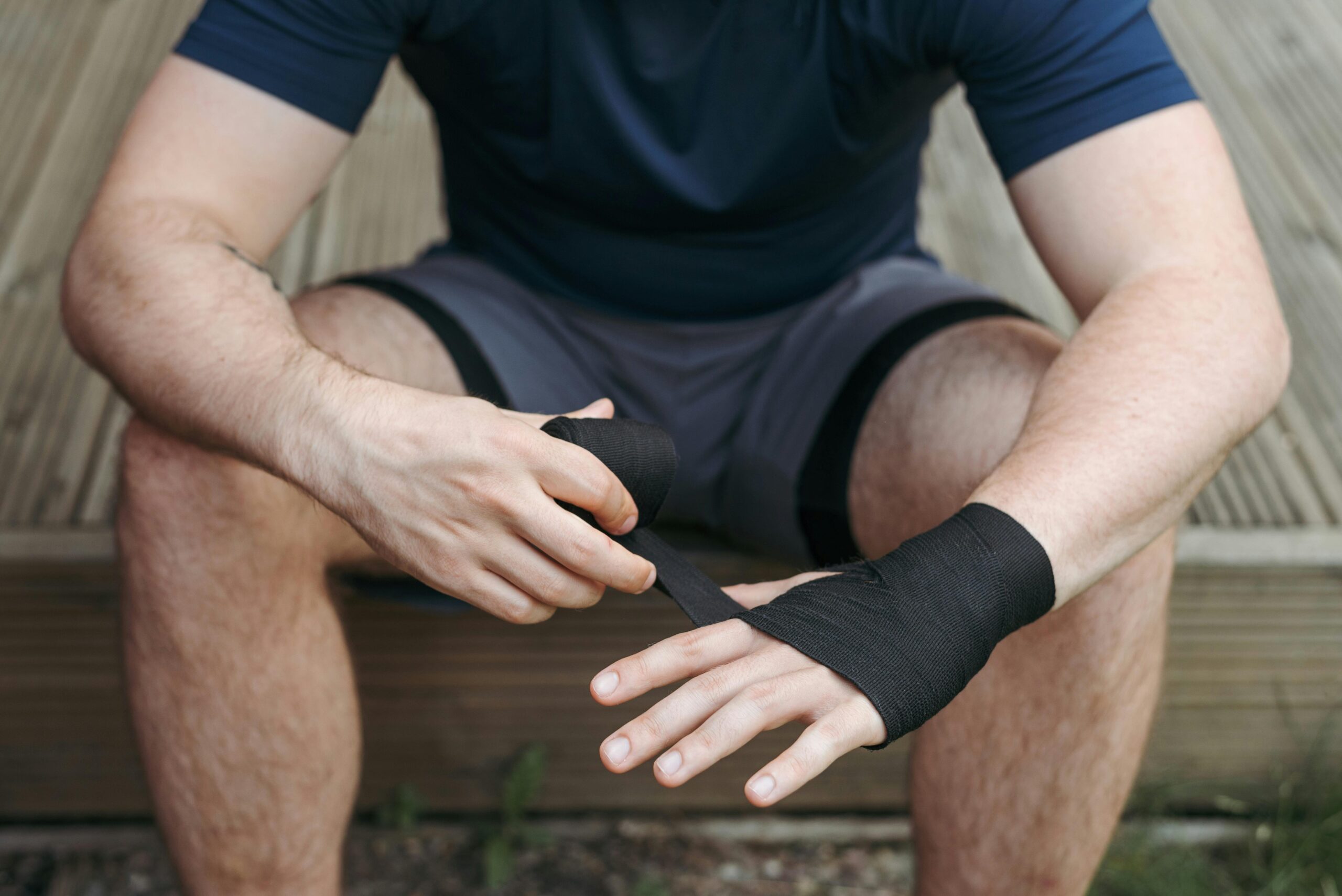
💡 Future-Proofing Your Training Arsenal
As you progress athletically, your equipment needs evolve. Building a training arsenal that grows with you requires thinking beyond immediate needs toward long-term development.
Invest in adjustable, adaptable equipment when possible. Resistance training tools with wide load ranges, bikes with upgrade-friendly components, and modular training systems accommodate progression without requiring complete replacement. This approach maximizes long-term value from each investment.
Stay informed about equipment innovations in your sport. Not every new product represents genuine advancement, but occasional breakthroughs deliver transformative benefits. Balancing healthy skepticism with openness to legitimate improvements positions you to capitalize on truly beneficial innovations while avoiding hype-driven purchasing.
The relationship between gear and performance continues evolving as materials science, biomechanics research, and technology advance. Athletes who understand how to leverage equipment strategically gain advantages that compound over time, transforming not just individual performances but entire athletic trajectories. Success stories across sports consistently feature moments when the right equipment upgrade unlocked potential that training alone couldn’t access—proof that revolutionizing training through strategic gear investments isn’t just possible, it’s essential for athletes serious about reaching their full potential.