
Starting something new can feel overwhelming, but having the right essential starter kit makes all the difference in your success and confidence.

Whether you’re venturing into a new hobby, launching a business, or exploring a creative pursuit, the basics you choose at the beginning will shape your entire experience. Many beginners make the mistake of either overcomplicating their setup with unnecessary items or underestimating what they truly need to get started properly. This comprehensive guide will walk you through the fundamental elements every beginner needs to simplify their journey and build a solid foundation for growth and achievement.
🎯 Understanding the Starter Kit Mentality
Before diving into specific items and tools, it’s crucial to adopt the right mindset about what a starter kit actually means. A proper starter kit isn’t about having everything—it’s about having the right things that remove barriers to entry and allow you to focus on learning and progress rather than equipment anxiety.
The starter kit philosophy centers on functionality over flash. Many beginners fall into the trap of purchasing advanced equipment or tools they’re not ready to use effectively. This not only wastes money but can also create unnecessary complexity that discourages continued effort. Instead, focusing on essential basics that you’ll actually use every day creates momentum and builds competence gradually.
The Minimum Viable Setup Approach
Think of your starter kit as a minimum viable setup—the smallest collection of items that allows you to begin practicing, creating, or building immediately. This approach has several advantages: it keeps costs manageable, reduces decision paralysis, prevents clutter, and allows you to discover your actual needs through hands-on experience rather than speculation.
As you gain experience, you’ll naturally identify which additional tools or upgrades will genuinely enhance your work. This organic growth in your toolkit ensures every addition serves a real purpose rather than collecting dust in a corner.
📱 Digital Essentials That Form Your Foundation
In today’s connected world, digital tools form the backbone of almost every beginner’s journey, regardless of your specific field or interest. These technological essentials help with organization, learning, communication, and tracking progress.
Productivity and Organization Apps
A reliable task management system is non-negotiable for beginners. Whether you choose a simple to-do list app or a more comprehensive project management tool, having one centralized place to track your goals, deadlines, and daily tasks prevents overwhelm and maintains focus.
Note-taking applications serve as your digital knowledge repository. As you learn new concepts, techniques, or insights, capturing them in a searchable, organized format ensures you’re building a personal knowledge base that compounds over time. Look for apps that sync across devices so your information is always accessible.
Cloud storage solutions protect your work and make it accessible anywhere. Whether you’re creating documents, images, videos, or any other content, having reliable backup and sync capabilities eliminates the fear of losing your progress and enables seamless workflow across different devices and locations.
Learning and Skill Development Platforms
Video tutorial platforms have revolutionized how beginners acquire new skills. Free resources like YouTube offer countless hours of instruction on virtually any topic, while paid platforms provide more structured, comprehensive courses. Bookmark channels and playlists relevant to your interests for easy reference.
Community forums and discussion platforms connect you with fellow beginners and experienced practitioners. These spaces offer invaluable opportunities to ask questions, share progress, troubleshoot problems, and find encouragement when motivation wanes. The social aspect of learning significantly increases persistence and enjoyment.
🛠️ Physical Tools: Quality Over Quantity
While digital tools handle many aspects of modern work and hobbies, physical tools remain essential depending on your specific pursuit. The key is selecting versatile, quality basics rather than specialized equipment you’ll rarely use.
The Core Physical Toolkit Principles
Invest in durability for frequently used items. That one tool you’ll use daily deserves a higher budget allocation than ten specialized tools you’ll use occasionally. Quality basics last longer, perform better, and often prove more economical over time despite higher upfront costs.
Prioritize multi-functional items when possible. Tools that serve multiple purposes reduce clutter, save money, and simplify your setup. A versatile knife beats five specialized cutting tools for a beginner. A quality notebook works for sketching, planning, and note-taking without needing separate items for each function.
Consider ergonomics and comfort seriously. Tools that cause discomfort or fatigue discourage regular use. Whether it’s a properly sized brush, an adjustable chair, or well-balanced scissors, physical comfort during practice sessions directly impacts how often you’ll actually engage with your new pursuit.
📚 Knowledge Resources: Your Learning Library
Beyond tools and equipment, every beginner needs curated knowledge resources that provide guidance, inspiration, and reference material throughout their journey.
Building Your Foundational Reading List
One comprehensive beginner’s guide beats a dozen advanced books you’re not ready for. Identify the most recommended introductory resource in your field—whether it’s a book, course, or video series—and work through it completely before expanding your library. Deep understanding of fundamentals matters more than superficial exposure to advanced concepts.
Quick reference materials serve a different but equally important purpose. Cheat sheets, glossaries, and visual guides provide instant answers to common questions without interrupting your workflow. Keep these easily accessible in physical or digital format for moments when you need quick clarification.
Curating Digital Learning Resources
Create a personalized bookmark collection organized by topic and difficulty level. As you discover helpful tutorials, articles, or resources, categorize them systematically so you can find exactly what you need when you need it. This organized approach prevents the common problem of re-searching for that perfect tutorial you found weeks ago.
Subscribe selectively to newsletters, podcasts, or channels that consistently deliver value. Quality over quantity applies to information sources—following too many voices creates confusion and information overload. Choose two or three trusted sources that resonate with your learning style and goals.
⏰ Time Management: Your Most Valuable Resource
The most overlooked element in any starter kit is time allocation strategy. Having all the right tools means nothing without dedicated time to use them effectively.
Creating Your Practice Schedule
Consistency beats intensity for beginners. Thirty minutes daily produces better results than occasional marathon sessions. Block specific time slots in your calendar exclusively for your new pursuit, treating these appointments as non-negotiable commitments to yourself.
Design your schedule around your natural energy patterns. Some people think clearly in early mornings, while others hit their creative stride in evenings. Align your practice time with when you’re naturally most focused and energized rather than forcing sessions during low-energy periods.
Build in buffer time for setup and cleanup. Nothing kills momentum faster than the friction of preparation and organization. If your practice time includes ten minutes of setup and cleanup on both ends, that twenty-minute daily commitment becomes more manageable than it first appears.
💰 Budget Basics: Smart Spending Strategies
Financial planning for your starter kit prevents both overspending on unnecessary items and underinvestment in crucial basics.
The Tiered Investment Approach
Divide your budget into three categories: immediate essentials, near-term needs, and future upgrades. Your immediate essentials are items you absolutely need on day one to begin. Near-term needs are things you’ll require within your first few weeks or months. Future upgrades represent advanced tools you’ll grow into as your skills develop.
Allocate approximately sixty percent of your initial budget to immediate essentials, thirty percent to near-term needs, and reserve ten percent for unexpected necessities or opportunities. This distribution ensures you can start immediately while maintaining flexibility for adjustments as you learn what you actually need.
Free and Low-Cost Alternatives
Research free alternatives before purchasing premium tools. Many paid applications and resources have free versions sufficient for beginners. Open-source software, library resources, and community-shared materials can significantly reduce startup costs without compromising learning quality.
Consider borrowing or renting specialized equipment initially. If your new pursuit requires expensive tools, borrowing from friends or renting from specialized services lets you confirm your commitment before making substantial investments. Many expensive hobbies become much more affordable when you delay major purchases until you’re certain of long-term interest.
🤝 Community and Support Systems
Your starter kit isn’t complete without connections to other people who share your interests or can provide guidance along your journey.
Finding Your Tribe
Online communities offer immediate access to fellow beginners and experienced practitioners worldwide. Search for dedicated forums, social media groups, or Discord servers related to your interest. Active participation in these spaces provides motivation, answers questions, and creates accountability through shared progress updates.
Local meetups and workshops provide hands-on learning and relationship building that digital connections can’t fully replicate. Check platforms like Meetup, community centers, or local shops related to your interest for regular gatherings. The relationships formed in person often become valuable long-term support networks.
Mentorship and Guidance
Identifying someone even slightly ahead of you on the same journey provides invaluable guidance. You don’t need an expert mentor as a beginner—someone who remembers the early struggles and can share recent lessons learned often provides more relevant, actionable advice than distant experts.
Consider teaching others as you learn. Explaining concepts to people behind you solidifies your understanding and identifies knowledge gaps. This reciprocal learning approach accelerates your progress while building community connections.
📊 Tracking Progress and Celebrating Milestones
Systematic progress tracking transforms abstract improvement into visible achievement, maintaining motivation through inevitable challenging periods.
Simple Progress Documentation Methods
Maintain a basic practice journal recording what you did, how long you practiced, and brief reflections on challenges or breakthroughs. This simple habit creates a record of consistent effort that becomes motivating during plateaus when progress feels invisible.
Take regular samples or documentation of your work. Whether it’s photos, recordings, written work, or project files, capturing your output at regular intervals creates a visual timeline of improvement. Comparing work from month one to month six provides undeniable evidence of growth that daily practice makes difficult to perceive.
Setting Realistic Milestones
Define clear, achievable benchmarks for your first weeks and months. These milestones should be specific, measurable, and genuinely achievable with consistent effort. Completing your first small project, mastering a fundamental technique, or maintaining a thirty-day practice streak are examples of meaningful beginner milestones.
Celebrate achievements appropriately. Recognition of progress reinforces positive habits and maintains enthusiasm. Your celebrations don’t need to be elaborate—simply acknowledging completion of a milestone and taking a moment to appreciate your commitment makes a difference.
🔄 Adapting Your Kit as You Grow
Your starter kit should evolve as your skills and understanding develop. Plan for this evolution from the beginning rather than treating your initial setup as permanent.
Regular Kit Reviews
Schedule monthly or quarterly reviews of your tools, resources, and practices. Assess what you’re actually using regularly versus what seemed important but sits unused. This honest evaluation guides intelligent upgrades and prevents accumulation of unnecessary items.
Document what’s working and what’s creating friction. Your evolving understanding of your actual needs beats any generic starter kit recommendation. Personal experience reveals which tools deserve upgrades, which gaps need filling, and which initial purchases were unnecessary.
Upgrading Strategically
Replace or upgrade the items you use most frequently first. That one tool you reach for daily deserves priority attention over rarely used equipment. Let actual usage patterns guide your upgrade decisions rather than aspirational thinking about what you might use.
Sell or donate items you’ve outgrown rather than hoarding them. Passing on your beginner tools to someone just starting creates positive community connections while simplifying your workspace. The slight income from sales can offset upgrade costs.
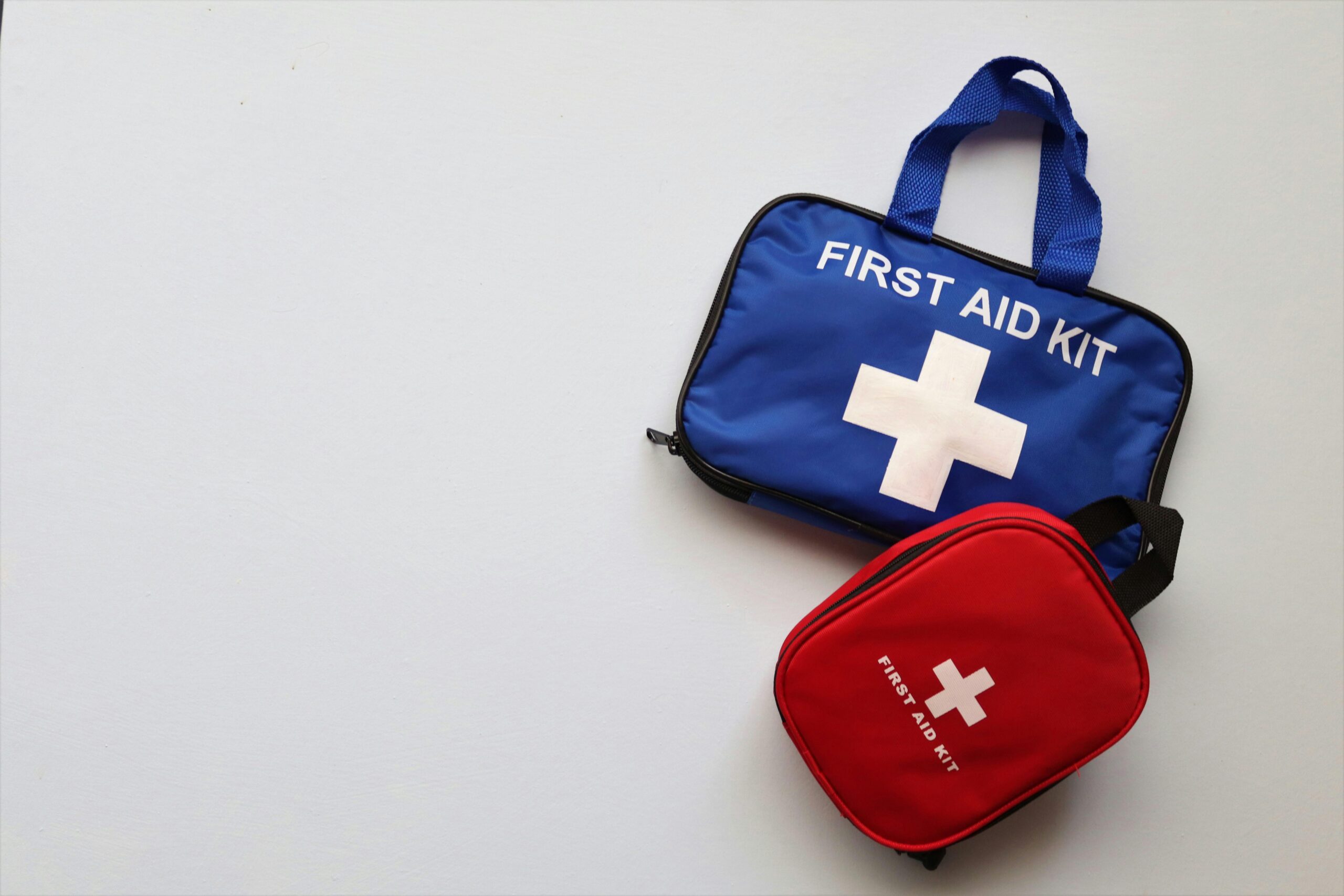
🌟 Making Your First Steps Count
With your essential starter kit assembled—whether digital tools, physical equipment, knowledge resources, time allocation, or community connections—the most important element is simply beginning. Perfect preparation is the enemy of progress for beginners.
Your carefully chosen basics remove legitimate barriers to entry, but they can’t do the work for you. Set a specific date and time for your first practice session, then follow through regardless of how ready you feel. That first session, however imperfect, transforms you from someone thinking about starting to someone actively pursuing a new skill or passion.
Remember that every expert began exactly where you are now—with basic tools, limited knowledge, and uncertain first steps. Your starter kit gives you everything needed to begin that same journey. The difference between those who succeed and those who don’t rarely comes down to having better equipment or more talent. It comes down to showing up consistently with the basics and putting in the work.
Your essential starter kit isn’t about achieving perfection from day one. It’s about removing friction, maintaining focus on fundamentals, and building sustainable habits that compound into genuine skill over time. Start with less than you think you need, learn what matters through experience, and adjust as you grow. The journey of a thousand miles truly does begin with a single step—and now you have exactly what you need to take that step confidently.