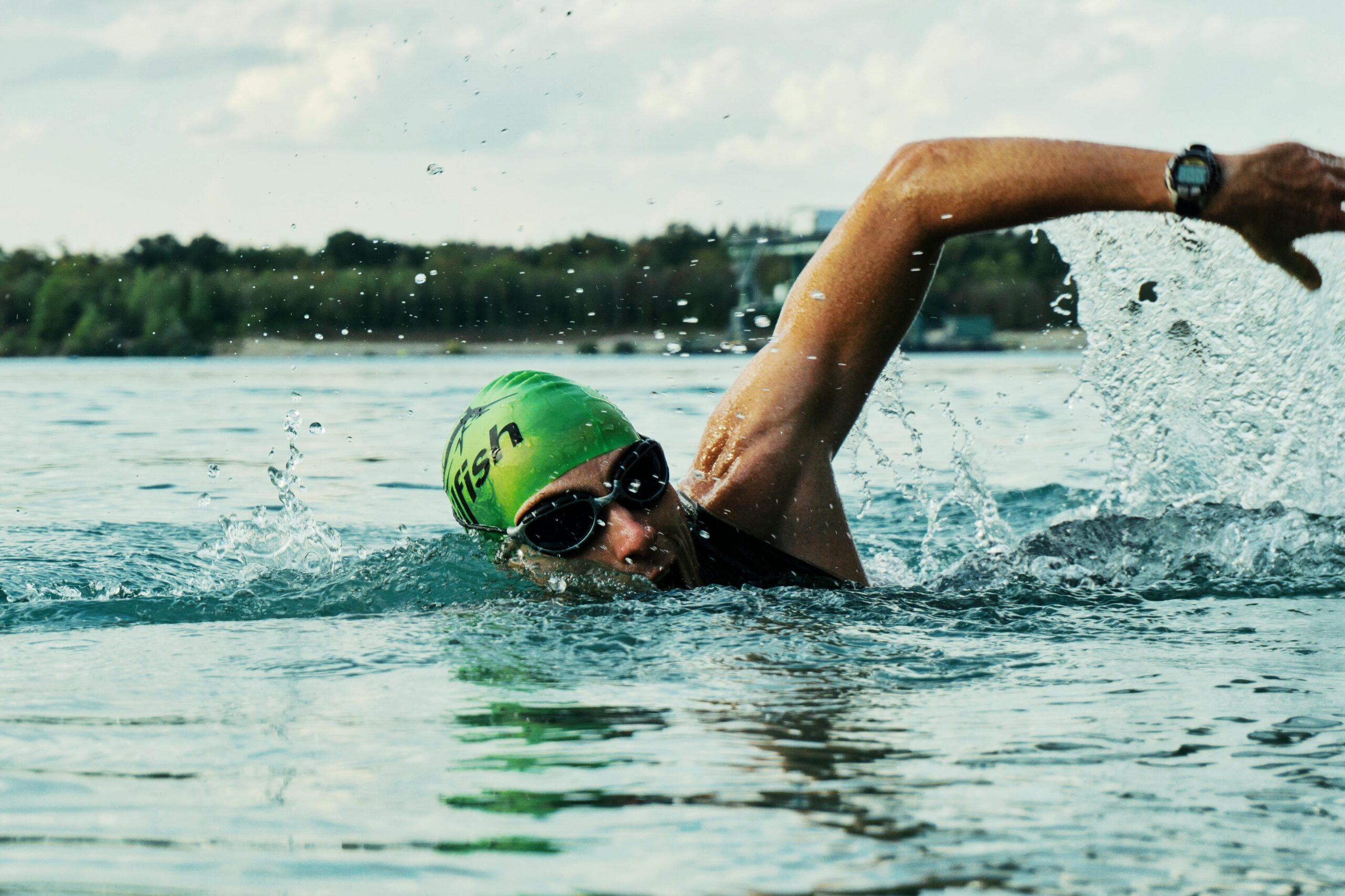
Choosing the right swimsuit can make or break your training performance in the pool. Whether you’re a competitive swimmer or dedicated fitness enthusiast, your swimwear directly impacts speed, comfort, and endurance during every lap.

The swimming world has evolved dramatically over the past decade, with technological innovations transforming how we approach training gear. Modern competitive swimsuits aren’t just about coverage—they’re engineered performance tools designed to reduce drag, enhance muscle support, and improve your overall efficiency in the water. Understanding what makes a training swimsuit effective versus recreational swimwear is the first step toward maximizing your potential and achieving your swimming goals faster than ever before.
🏊 Understanding the Science Behind Performance Swimwear
Performance swimsuits are built on principles of hydrodynamics and biomechanics. Every seam, fabric choice, and construction detail serves a specific purpose in helping you move through water with less resistance. The compression level in quality training suits helps reduce muscle vibration, which minimizes fatigue during long sessions and allows you to maintain proper form throughout your workout.
Modern fabrics incorporate materials like polyester blends, PBT (polybutylene terephthalate), and elastane combinations that offer superior chlorine resistance compared to traditional lycra or spandex. These advanced textiles maintain their shape and compression properties even after hundreds of hours in chemically treated pool water, making them a smart investment for serious swimmers who train multiple times per week.
The Drag Coefficient Factor
Water is approximately 800 times denser than air, which means even small improvements in drag reduction translate to significant performance gains. Racing suits utilize textured fabrics and bonded seams that create a smoother surface against water flow. While training suits don’t typically feature the same extreme technology as competition-only suits, they incorporate enough drag-reducing elements to help you develop better technique and speed during practice sessions.
Different Types of Training Swimsuits Explained
Not all training swimsuits serve the same purpose, and understanding the distinctions helps you select the right option for your specific workout regimen and swimming style. Each category offers unique benefits tailored to different training scenarios and swimmer preferences.
Competition-Style Training Suits
These suits mirror the fit and feel of race-day swimwear but use more durable fabrics designed to withstand regular training. They feature moderate compression, streamlined cuts, and reinforced construction at stress points. Competition-style training suits work exceptionally well for swimmers who want to practice in conditions similar to race day, helping their bodies adapt to the tighter fit and increased awareness of body position in the water.
Endurance Training Swimsuits
Built for swimmers who spend significant time in the pool, endurance suits prioritize longevity and comfort over maximum compression. They typically use thicker, more chlorine-resistant fabrics that maintain their integrity through countless training sessions. The fit is slightly more forgiving than competition suits, which reduces restriction during extended workouts while still providing adequate muscle support and drag reduction.
Technical Training Suits
Some swimmers incorporate technical training suits with added resistance features during specific workouts. These suits intentionally increase drag to build strength and power, forcing your muscles to work harder during training so regular suits feel faster by comparison. While not suitable for every session, strategic use of technical training suits can significantly boost your explosive power and muscular endurance over time.
🎯 Key Features to Look for in Your Training Swimsuit
Selecting the perfect training swimsuit requires evaluating several critical features that directly impact both performance and durability. Understanding what to prioritize helps you avoid common purchasing mistakes and ensures your investment delivers results throughout an entire season or longer.
Fabric Composition and Chlorine Resistance
Check the fabric blend carefully before purchasing. Suits with at least 50% polyester or PBT offer superior chlorine resistance compared to those with high lycra content. Chlorine gradually breaks down elastane fibers, causing suits to stretch out, fade, and lose compression. Quality training suits should maintain their fit and color for at least six months of regular use, with premium options lasting a year or more even with daily training.
Compression Level and Muscle Support
Appropriate compression enhances proprioception—your awareness of body position in water—while reducing muscle oscillation that causes fatigue. The compression should feel snug without restricting breathing or circulation. Men’s suits typically feature compression around the core and thighs, while women’s suits add upper body support. Try different compression levels to find what feels supportive yet comfortable during intense intervals and easy recovery swims alike.
Seam Construction and Durability
Flatlock seams lie flat against your skin, minimizing chafing during long training sessions. Bonded or welded seams eliminate stitching entirely, creating smoother surfaces that reduce drag while increasing durability. Check high-stress areas like shoulder straps, leg openings, and center seams for reinforced construction. Quality seam work prevents premature suit failure and ensures consistent performance throughout the suit’s lifespan.
Range of Motion and Flexibility
Your training suit must allow full range of motion through all four competitive strokes without binding or restricting your movements. Test shoulder rotation, hip flexibility, and breathing patterns before committing to a purchase. Some suits feature strategically placed panels with different stretch properties that provide compression where needed while maintaining flexibility in high-movement areas like shoulders and hips.
Gender-Specific Considerations for Optimal Performance
While basic performance principles apply universally, men’s and women’s training suits address different anatomical needs and provide specialized features that optimize comfort and efficiency for each swimmer’s physique.
Women’s Training Suit Features
Women have several silhouette options including one-piece, two-piece, and kneeskin designs. One-piece suits offer maximum compression and support, with back styles ranging from thin straps to full coverage depending on personal preference and training intensity. Look for suits with adjustable features, reinforced lining in the bust area, and higher necklines that stay secure during flip turns and diving starts. Two-piece training suits provide convenience and versatility, though they typically offer less compression than one-piece alternatives.
Men’s Training Suit Styles
Men typically choose between briefs (speedos), jammers, and square-leg suits. Briefs offer minimal coverage and maximum freedom of movement, making them popular for technique-focused training. Jammers extend to the knee, providing additional compression and coverage that many swimmers prefer for both performance and modesty reasons. Square-leg suits split the difference, offering moderate coverage and a classic aesthetic. Jammers generally provide the most significant performance benefits for training due to their compression properties and drag reduction along the thigh.
💪 Matching Your Suit to Your Training Goals
Different training objectives require different approaches to swimsuit selection. Aligning your suit choice with your specific goals ensures you’re getting maximum benefit from both your equipment and your time in the pool.
Sprint Training and Speed Development
If your focus is developing explosive speed and power, choose suits with maximum compression and minimal drag. Competition-style training suits work best for sprint sets, helping you develop the body awareness and streamlined position necessary for fast swimming. The tighter fit reinforces proper technique by providing tactile feedback when your body position deviates from optimal alignment.
Endurance and Distance Training
Long-distance swimmers benefit from slightly more comfortable suits that won’t cause restriction or chafing during extended sessions. Prioritize chlorine resistance and durability over maximum compression. Endurance suits should feel like a second skin—present enough to provide support but comfortable enough to forget you’re wearing them during multi-hour training blocks.
Technique and Drill Work
When focusing on stroke mechanics and technical development, choose suits that enhance your awareness of body position without adding resistance. Moderate compression suits work well for technique sessions, providing enough feedback to refine your movements while allowing the flexibility needed to practice drills and specific movement patterns effectively.
🔍 Sizing Guidelines for Performance Swimwear
Proper sizing is absolutely critical for performance swimsuits. Unlike casual swimwear, training suits should fit significantly tighter to provide appropriate compression and minimize drag. However, finding the balance between performance-enhancing snugness and comfortable wearability requires careful attention.
Most performance swimsuit manufacturers provide detailed sizing charts that include specific body measurements rather than just standard clothing sizes. Always measure yourself according to brand guidelines before ordering, as sizing varies considerably between manufacturers. When trying on a new training suit, it should feel uncomfortably tight at first—quality suits relax slightly after a few sessions as fabrics conform to your body shape.
The Two-Finger Test
A properly fitted training suit should allow you to slip two fingers between the fabric and your skin at the leg openings and straps, but no more. Less than this indicates the suit is too tight and will restrict circulation or breathing; more suggests the suit is too loose and will create drag while losing compression benefits. Pay special attention to how the suit feels during different swimming motions—shoulder rotation, hip flexion, and breathing patterns should all feel unimpeded.
Care and Maintenance for Extended Suit Life
Even the highest-quality training suit will deteriorate quickly without proper care. Implementing a consistent maintenance routine dramatically extends the functional lifespan of your swimwear investment, ensuring it delivers peak performance for months rather than weeks.
Rinse your suit in cool, fresh water immediately after every swim session to remove chlorine, salt, and other chemicals. Never wring or twist the fabric, as this damages elastic fibers and distorts the suit’s shape. Instead, gently squeeze excess water out and lay flat or hang to dry away from direct sunlight and heat sources. Sunlight and high temperatures accelerate fabric degradation, causing premature fading and loss of elasticity.
Washing and Storage Best Practices
Hand wash your training suit every few sessions using mild soap specifically formulated for swimwear, or use a gentle machine cycle in a mesh laundry bag. Avoid regular detergents, fabric softeners, and bleach, all of which damage performance fabrics. Store completely dry suits flat or loosely folded in a cool, dry location. Never store damp suits in gym bags or closed containers, as trapped moisture promotes bacterial growth and fabric breakdown.
Budget Considerations and Value Assessment
Performance training suits range from $30 to over $100, with price typically reflecting fabric quality, construction methods, and brand positioning. While premium suits offer superior durability and performance characteristics, mid-range options from reputable manufacturers often provide excellent value for recreational and age-group competitive swimmers.
Calculate cost-per-swim rather than focusing solely on initial purchase price. A $70 suit that lasts eight months of five-day-per-week training costs roughly $0.44 per session, while a $35 suit that degrades after three months costs $0.58 per session. Additionally, better suits maintain their performance characteristics longer, ensuring consistent training conditions rather than gradually increasing drag and decreasing compression as cheaper suits deteriorate.
When to Replace Your Training Suit
Replace your training suit when you notice significant loss of elasticity, fading that indicates fiber breakdown, visible fabric thinning, or decreased compression. Most serious swimmers maintain a rotation of 2-3 training suits, alternating between sessions to allow fabrics to fully dry and recover between uses. This practice extends the life of each individual suit while ensuring you always have a backup option available.
🏊♂️ Top Brands Leading Performance Swimwear Innovation
Several manufacturers consistently produce exceptional training swimsuits that balance performance, durability, and value. While personal preference plays a significant role, these brands have earned strong reputations within the competitive swimming community for their commitment to quality and innovation.
Speedo remains the most recognized name in competitive swimwear, offering extensive lines for every training need and budget level. Their Endurance+ fabric delivers outstanding chlorine resistance, while LZR training suits provide race-suit feel with training-appropriate durability. Arena specializes in European-cut suits with excellent compression and streamlined designs that appeal to competitive swimmers. TYR produces high-quality American-designed suits with innovative fabrics and construction methods that rival more expensive alternatives.
Nike, Adidas, and Mizuno also produce competitive training suits, though their swimming lines receive less attention than their other sports divisions. These brands often offer excellent value, particularly during seasonal sales. Smaller specialty brands like Jolyn, Dolfin, and A3 Performance cater to specific niches within the swimming community with unique designs and features that differentiate them from mainstream manufacturers.
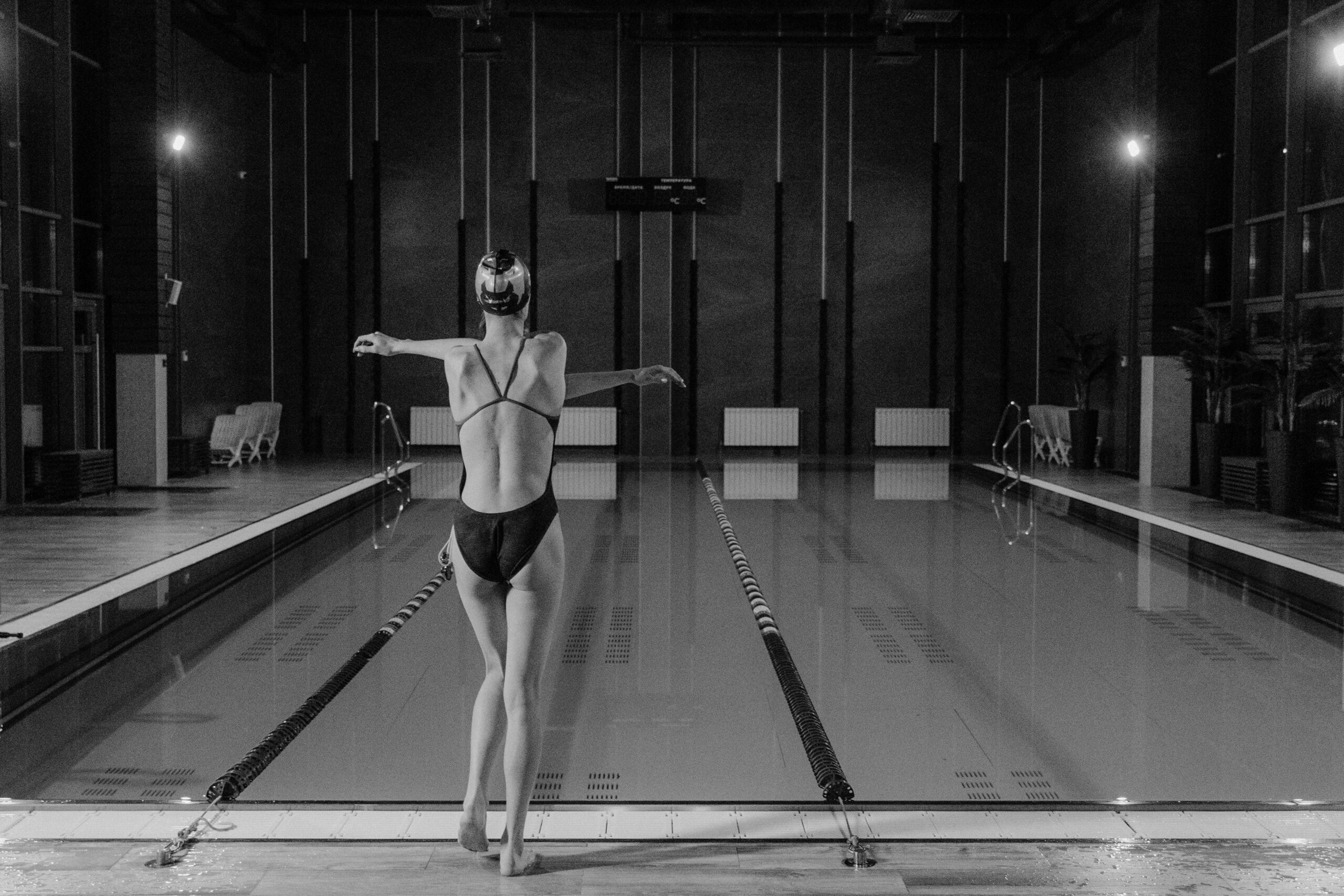
Making Your Final Selection
Armed with comprehensive knowledge about performance swimsuit features, materials, and considerations, you’re prepared to make an informed decision that aligns with your training needs, budget, and swimming goals. Remember that the perfect training suit enhances your natural abilities rather than compensating for technical deficiencies, so prioritize continued skill development alongside equipment optimization.
Visit local swim shops when possible to try different styles and brands before purchasing. The ability to physically assess fit, compression, and comfort provides valuable information that online shopping cannot replicate. However, online retailers often offer broader selection and competitive pricing, making them excellent options once you’ve identified your preferred brands and sizing.
Consider purchasing your first performance training suit at a slightly lower price point to test whether the features and fit work for your specific needs before investing in premium options. As you develop preferences regarding compression, coverage, and brand-specific sizing, you can gradually upgrade to higher-end suits that perfectly match your requirements.
Your training swimsuit represents one of the most important pieces of equipment in your swimming arsenal. The right suit reduces drag, supports proper technique development, and provides the durability needed to withstand rigorous training schedules. By carefully evaluating your options and selecting a suit that matches your training objectives, body type, and performance goals, you’ll set yourself up for success in the pool and accelerate your progress toward becoming a faster, more efficient swimmer. Invest wisely in quality training swimwear, maintain it properly, and watch as your improved comfort and confidence translate directly into better performance and faster times! 🏆