Finding the right snorkel fit can transform your open-water swimming experience from frustrating to phenomenal. Whether you’re a triathlete preparing for your next race or a fitness swimmer exploring new training methods, understanding snorkel equipment is essential for maximizing your performance and comfort in the water.

The snorkel has evolved from a simple diving tool to a sophisticated training instrument that enhances swimming technique, builds endurance, and allows swimmers to focus on body position without the distraction of rhythmic breathing. However, all these benefits disappear if your snorkel doesn’t fit properly, leading to water leakage, discomfort, and interrupted training sessions.
🏊♂️ Understanding Snorkel Anatomy and Components
Before diving into fit specifics, you need to understand what makes a quality swim snorkel. Unlike recreational snorkels designed for surface floating, swim training snorkels feature a front-mounted design that maintains head alignment and streamlined body position.
The main components include the mouthpiece, tube, head strap, and purge valve. Each element plays a crucial role in overall comfort and functionality. The mouthpiece should be made from medical-grade silicone that molds comfortably to your dental structure without causing jaw fatigue during extended sessions.
The tube diameter affects breathing resistance—wider tubes allow easier breathing but create more drag, while narrower tubes reduce resistance in the water but make breathing more challenging. Most competitive swimmers prefer a moderate diameter that balances both considerations.
Key Features That Impact Fit Quality
Head straps come in various configurations, from simple single-strap designs to sophisticated dual-strap systems. The adjustment mechanism should allow for precise customization without slipping during flip turns or vigorous training. Silicone straps typically provide better grip than neoprene alternatives, especially when wet.
Purge valves located at the bottom of the tube enable quick water expulsion without removing the snorkel. This feature becomes essential during open-water practice where waves may occasionally splash over the top of your snorkel tube.
🎯 Selecting the Right Snorkel Size and Style
Snorkels aren’t one-size-fits-all equipment. Face shape, head size, and swimming style all influence which model will serve you best. Athletes with smaller faces or youth swimmers need proportionally sized equipment to ensure proper seal and comfort.
Center-mounted snorkels represent the gold standard for training because they maintain perfect alignment between your head and spine. This positioning reinforces proper technique and eliminates the neck rotation that side-mounted recreational snorkels require.
Some manufacturers offer adjustable models with flexible tubing connections that accommodate different head positions. These prove particularly valuable for swimmers still developing their body rotation mechanics or those transitioning between different stroke techniques.
Material Considerations for Durability and Comfort
Premium snorkels utilize hypoallergenic silicone for all mouth-contact surfaces. This material resists bacterial growth, maintains flexibility across temperature ranges, and provides the most comfortable long-term wear. Cheaper rubber alternatives may cause allergic reactions and degrade faster under sun exposure and chlorine contact.
The tube construction should balance rigidity and flexibility—rigid enough to maintain position during vigorous swimming but flexible enough to absorb impact if you accidentally hit the pool wall or lane line.
💡 The Perfect Mouthpiece Fit: Foundation of Comfort
Your mouthpiece creates the primary interface between equipment and body, making its fit absolutely critical. An improperly sized mouthpiece causes jaw fatigue, tooth pain, and potential dental damage during extended training sessions.
The bite tabs should rest comfortably between your teeth and gums without requiring excessive bite pressure to maintain seal. Your lips should close naturally around the outer flange, creating a water-tight barrier without tension or stretching.
Most quality snorkels offer replaceable mouthpieces in multiple sizes. Take advantage of this feature to find your ideal fit. Some swimmers prefer smaller mouthpieces that feel less intrusive, while others favor larger models that distribute pressure more broadly.
Testing Mouthpiece Compatibility
Before committing to a purchase, perform this simple test: insert the mouthpiece and relax your jaw completely. The mouthpiece should stay in position without clenching or biting down. If it immediately falls out, you need a larger size or different shape.
Pay attention to any pressure points on your gums or teeth. Even minor discomfort compounds over a 3000-meter training session, potentially causing injury or forced early termination of your workout.
🔧 Adjusting Head Straps for Maximum Stability
Proper head strap adjustment prevents the most common snorkel frustration: equipment shifting during turns, dives, or vigorous kicking. The strap should hold your snorkel firmly in position without creating pressure headaches or leaving indentation marks on your skin.
Position the strap across the widest part of your head, typically just above the ears and across the occipital bone at the back of your skull. This anatomical positioning provides the most stable anchor point with minimal adjustment needed.
Dual-strap systems offer superior stability by distributing tension across multiple contact points. The upper strap should cross your crown while the lower strap secures behind your head. Neither strap should be overtightened—you’re looking for snug security, not compression.
Fine-Tuning for Different Swimming Strokes
Freestyle swimmers can use slightly looser strap adjustments since head movement remains relatively minimal. Backstroke practice with a snorkel requires tighter adjustment to prevent water entry when you’re face-up. Butterfly swimmers need the tightest possible fit to withstand the vigorous head movement characteristic of this stroke.
Always perform several test push-offs and turns after initial adjustment. Your snorkel should remain perfectly positioned throughout these movements without manual readjustment.
🌊 Mastering Open-Water Snorkel Techniques
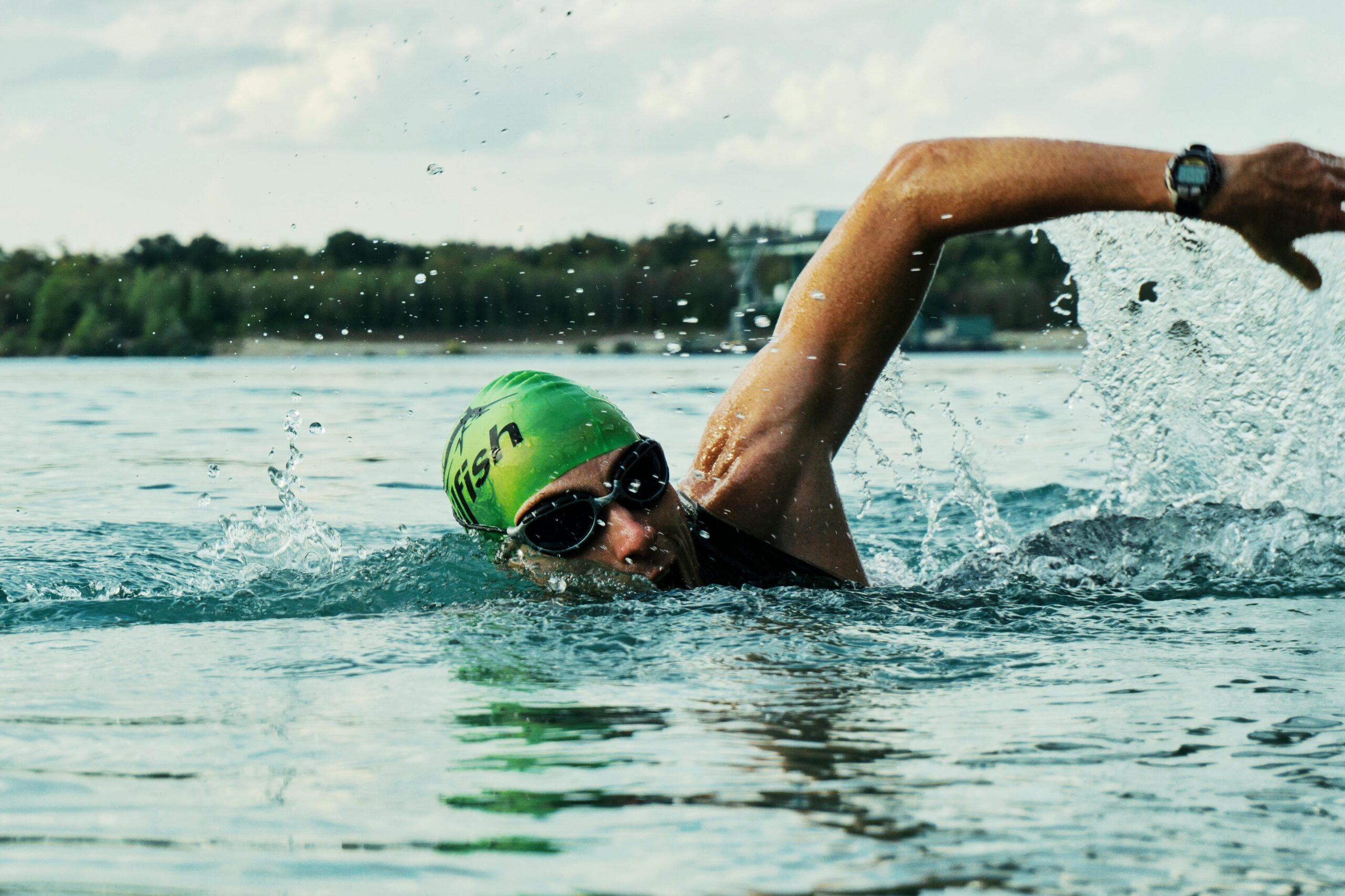
Open-water swimming presents unique challenges compared to pool training. Waves, currents, and variable water conditions require additional considerations for maintaining proper snorkel fit and function.
Wave action introduces the primary complication—water entering your snorkel tube from above. While purge valves help eliminate water quickly, preventing entry altogether improves your experience significantly. Swimming with slightly higher head position in choppy conditions keeps your tube opening above wave crests.
Some swimmers attach splash guards—small deflectors that fit over the tube opening—to redirect water during rough conditions. These accessories add minimal drag while substantially improving comfort during challenging sessions.
Adapting to Current and Tide Conditions
Strong currents affect your body position in ways that don’t occur in pools. Cross-currents may push your body sideways, creating unusual angles that stress head strap connections. Ensure your adjustment provides enough security to maintain position even when swimming at angles to the current.
Temperature changes between pool and open water also affect equipment fit. Silicone becomes slightly more pliable in warm water and stiffer in cold conditions. Account for these variations by testing your setup in conditions matching your intended practice environment.
🏋️ Building Breathing Capacity with Proper Equipment
Beyond fit considerations, snorkel training fundamentally changes your breathing mechanics and capacity. The restricted airflow through a tube creates natural resistance training for respiratory muscles, building endurance and efficiency over time.
Proper fit becomes essential for this training effect—air leaks around the mouthpiece defeat the resistance mechanism while water intrusion interrupts the breathing rhythm you’re trying to develop. A perfectly fitted snorkel maintains consistent resistance throughout your entire workout.
Start with shorter intervals when beginning snorkel training, gradually extending duration as your respiratory system adapts. Even with perfect fit, the breathing restriction requires physiological accommodation that develops over multiple sessions.
Monitoring Breathing Patterns for Safety
Pay attention to breathing quality throughout your session. Gasping, hyperventilation, or inability to maintain steady breathing rhythm indicates you’re pushing too hard. Remove the snorkel and rest before continuing your workout.
Properly fitted equipment should never cause claustrophobia or panic responses. If you experience these symptoms despite correct adjustment, consider trying different mouthpiece sizes or tube diameters before abandoning snorkel training entirely.
🧼 Maintenance Practices That Preserve Fit Quality
Regular maintenance extends equipment lifespan while preserving the precise fit characteristics you’ve carefully adjusted. Chlorine, salt water, and sunlight all degrade materials over time, particularly affecting silicone components.
Rinse your snorkel thoroughly with fresh water after every session, paying special attention to the mouthpiece and purge valve areas where salt crystals or chlorine residue accumulate. These deposits create rough textures that irritate mouth tissues and compromise seal quality.
Store your snorkel away from direct sunlight in a well-ventilated area. UV exposure accelerates silicone degradation, causing materials to become brittle and lose their flexible sealing properties. Many swimmers use dedicated gear bags with UV-protective materials for long-term storage.
Recognizing When Replacement Becomes Necessary
Even with excellent maintenance, snorkel components eventually wear out. Replace mouthpieces showing cracks, tears, or permanent deformation—these defects prevent proper seal and may harbor bacteria in damaged areas.
Head straps that no longer maintain tension or show visible stretching need replacement before they fail during training. Most manufacturers sell replacement straps separately, allowing you to refresh your equipment without purchasing entirely new units.
📊 Comparing Snorkel Options for Different Skill Levels
| Skill Level | Recommended Features | Priority Considerations |
|---|---|---|
| Beginner | Wide tube, large mouthpiece, dual strap | Easy breathing, maximum stability |
| Intermediate | Medium tube, adjustable features, quality purge valve | Balanced performance, comfort |
| Advanced | Narrow tube, minimal design, competition-grade materials | Reduced drag, training resistance |
| Open-Water Specialist | Splash guard compatible, reinforced construction | Wave handling, durability |
🎓 Common Fit Problems and Solutions
Even experienced swimmers encounter occasional fit issues. Understanding common problems and their solutions helps you troubleshoot quickly rather than abandoning productive training sessions.
Jaw fatigue represents the most frequent complaint. This typically indicates a mouthpiece that’s too small, requiring excessive bite pressure to maintain position. Switch to the next size up or consider models with ergonomic bite tab designs that reduce clenching requirements.
Persistent water leakage usually stems from improper mouthpiece seal or compromised purge valve function. Check for debris blocking the valve and ensure your lips completely surround the mouthpiece flange without gaps.
Addressing Pressure Points and Discomfort
Head strap pressure points often result from incorrect positioning rather than over-tightening. Adjust strap placement slightly forward or backward to find areas with more natural cushioning from muscle and tissue rather than bone prominences.
Some swimmers with especially sensitive skin benefit from thin silicone strap covers that distribute pressure more evenly. These accessories add minimal bulk while significantly improving comfort during long training sessions.
⚡ Advanced Techniques for Competitive Performance
Competitive swimmers and triathletes use snorkels not just for breathing assistance but as sophisticated training tools for technique refinement. Perfect fit becomes even more critical when performing these advanced applications.
Hypoxic training intervals involve deliberately restricting breathing frequency beyond the natural limitation imposed by the snorkel tube. This advanced technique requires absolutely reliable equipment fit—any air leaks or water intrusion compromise the training stimulus and potentially create safety concerns.
Technique drills focusing on body rotation, kick efficiency, or arm entry mechanics demand stable equipment that doesn’t shift attention away from movement patterns. Your snorkel should become invisible during these sessions, requiring zero mental bandwidth for management.
Integrating Snorkel Training with Race Preparation
Many triathletes incorporate snorkel sessions into taper periods, using reduced breathing resistance to maintain conditioning while minimizing overall training stress. The fit must be comfortable enough for these recovery-focused sessions while still providing some respiratory challenge.
Practice transitions between snorkel and normal breathing before race day. Some athletes experience brief disorientation when switching breathing patterns, which proper training eliminates well before competition.
🌟 Elevating Your Swimming Through Optimal Equipment Fit
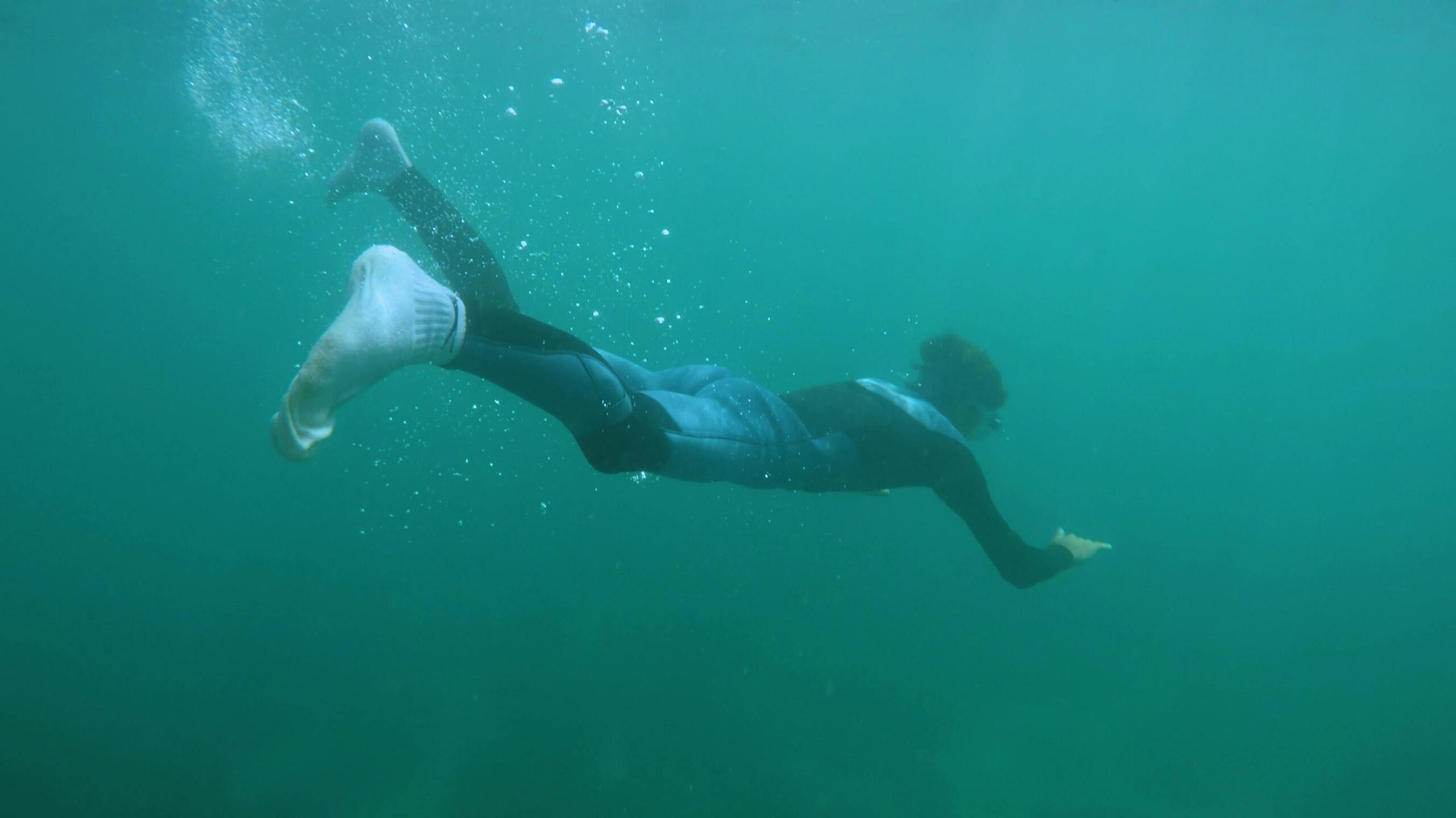
Mastering snorkel fit represents an investment in training quality that pays dividends across all aspects of your swimming performance. The time spent finding perfect adjustment and maintaining equipment condition directly translates to more productive, comfortable, and effective practice sessions.
Remember that fit requirements may evolve as your swimming technique improves and your respiratory capacity develops. Periodically reassess your equipment setup, remaining open to adjustments that better serve your current training needs and performance goals.
The perfect snorkel fit essentially disappears during use—you shouldn’t consciously notice the equipment once properly adjusted. This invisibility allows complete focus on technique, pacing, and the pure enjoyment of efficient movement through water. Whether you’re preparing for competitive events or simply seeking better fitness swimming experiences, properly fitted snorkel equipment unlocks new dimensions of aquatic training that would otherwise remain inaccessible.