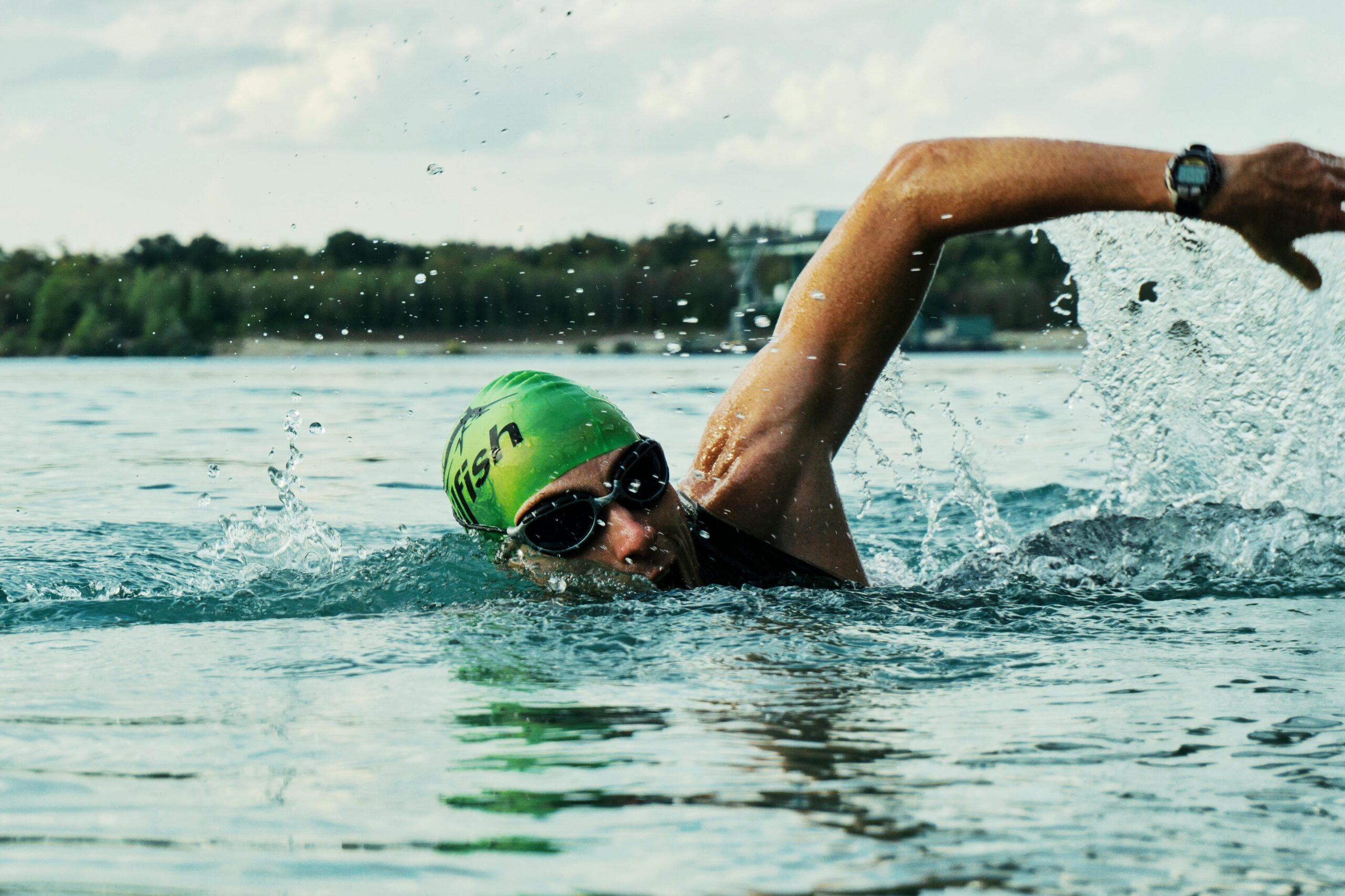
Open-water swimming represents one of the most exhilarating and rewarding outdoor activities you can pursue. Whether you’re drawn to the ocean’s vastness, the tranquility of lakes, or the adventure of rivers, mastering open-water environments opens up a world of possibilities that pool swimming simply cannot match.

The transition from controlled pool environments to natural bodies of water marks a significant milestone in any swimmer’s journey. It requires not just physical preparation, but mental fortitude, technical knowledge, and a deep respect for nature’s unpredictable forces. This comprehensive guide will equip you with everything you need to build confidence and develop the essential skills for safe and enjoyable open-water adventures.
🌊 Understanding the Open-Water Environment
Before diving into open water, you must appreciate how fundamentally different it is from swimming in a pool. Natural bodies of water present variables that controlled environments eliminate: currents, waves, temperature fluctuations, limited visibility, marine life, and the absence of lane lines or bottom markers.
Lakes typically offer calmer conditions for beginners, with relatively stable temperatures and minimal currents. Ocean swimming introduces tides, waves, and salt water buoyancy, which actually helps flotation but can irritate your eyes and throat. Rivers present directional currents that require strategic navigation and energy management.
Water temperature plays a crucial role in your safety and performance. Cold water below 60°F (15°C) requires wetsuit protection and poses risks of hypothermia. Warmer water above 78°F (25°C) may seem ideal but can lead to overheating during extended swims. Understanding these environmental factors helps you prepare appropriately for each adventure.
Building Your Foundation: Essential Swimming Skills
Before venturing into open water, you need solid swimming fundamentals. This doesn’t mean you must be an Olympic-level athlete, but you should comfortably swim at least 400 meters continuously in a pool without exhaustion or panic.
Efficient stroke technique becomes even more critical in open water where you’ll face resistance from currents and waves. Focus on developing a relaxed, rhythmic freestyle stroke that conserves energy. Your breathing should be bilateral—comfortable on both sides—allowing you to breathe away from waves or toward safety markers as needed.
Treading Water and Floating Confidence
The ability to tread water effortlessly for extended periods is non-negotiable for open-water safety. Practice different treading techniques including the eggbeater kick used by water polo players, which provides stable vertical positioning with minimal energy expenditure.
Floating skills provide crucial rest opportunities during long swims. Practice both front and back floating until you can maintain buoyancy with minimal effort. This skill becomes your safety net when you need to pause, assess conditions, or simply catch your breath without returning to shore.
⚙️ Gear Selection for Open-Water Success
Proper equipment significantly impacts your safety, comfort, and confidence in open water. Unlike pool swimming where minimal gear suffices, open-water adventures require thoughtful preparation.
A brightly colored swim cap—preferably neon orange, yellow, or pink—dramatically increases your visibility to boats, kayakers, and safety personnel. Consider double-capping in cold water for additional thermal protection. Silicone caps provide better insulation than latex alternatives.
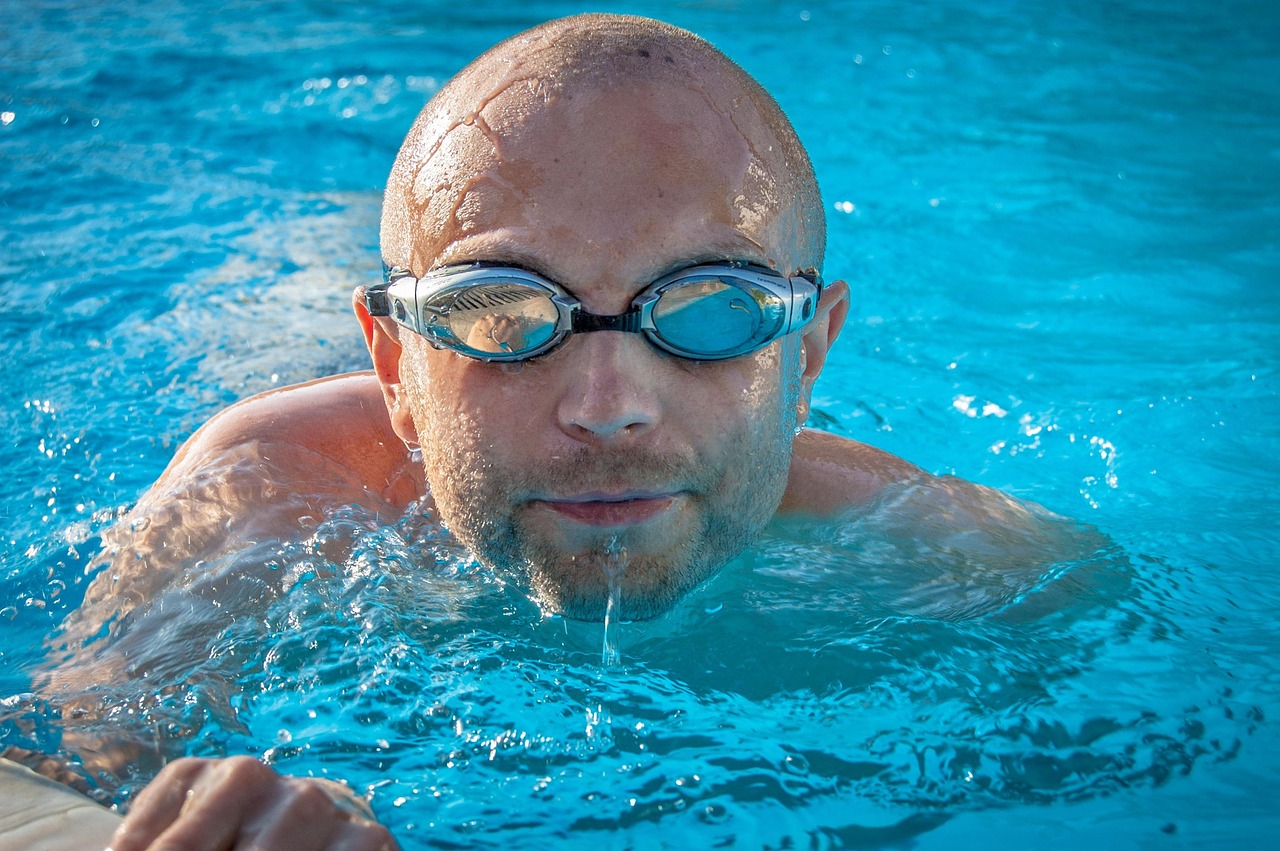
Goggles designed specifically for open water feature larger lenses for improved peripheral vision and often come with polarized or tinted lenses to reduce glare. Test multiple pairs to find ones that seal comfortably without leaking, as repeated goggle adjustments in open water can be frustrating and disorienting.
Wetsuit Considerations
Wetsuits serve dual purposes: thermal protection and buoyancy assistance. In water below 65°F (18°C), most swimmers benefit from wetsuit use. Open-water specific wetsuits differ from surfing wetsuits with more flexible shoulder panels that accommodate swimming strokes.
Wetsuit thickness typically ranges from 3mm to 5mm. Thicker suits provide more warmth and flotation but can restrict movement. Your choice depends on water temperature, your cold tolerance, and swimming distance. Many swimmers invest in a 4mm suit as a versatile middle ground.
Safety Equipment You Shouldn’t Skip
A bright swim buoy tethered to your waist provides visibility and serves as a floating rest station. These inflatable devices create minimal drag while swimming and can hold waterproof bags containing keys, phones, or nutrition supplies.
Consider a waterproof smartwatch or swimming GPS device to track distance, pace, and navigation. These tools help you monitor your progress and can provide valuable data for improving your performance over time.
🏊♀️ Mastering Open-Water Techniques
Swimming in open water demands technique adaptations that pool training doesn’t address. Sighting—lifting your head to navigate—becomes essential since you cannot follow lane lines or bottom markings.
Practice sighting every 6-10 strokes by incorporating a brief head lift during your breathing cycle. Rather than lifting your entire head out of the water, roll your eyes forward while your mouth still breaks the surface for air. This minimizes disruption to your stroke rhythm and body position.
Choose fixed landmarks on the horizon rather than floating buoys that move with currents and waves. Tall buildings, distinctive trees, or permanent structures provide reliable navigation points. In foggy conditions, use compass headings or swim with more experienced partners.
Wave Navigation Strategies
Waves present one of the biggest challenges for open-water newcomers. When swimming through waves, time your breathing to avoid inhaling water. Breathe in wave troughs rather than on crests, and be prepared to hold your breath when a wave breaks over you.
Diving under larger waves—duck diving—conserves energy compared to fighting through them. As a wave approaches, take a deep breath, push down with your arms, and allow the wave to pass overhead before resuming your stroke.
When exiting through surf, watch wave patterns before attempting to leave the water. Waves typically come in sets with calmer intervals between. Time your exit during these lulls, and use waves to your advantage by bodysurfing toward shore when possible.
💪 Building Mental Confidence
Physical preparation alone doesn’t guarantee open-water success. Mental conditioning separates confident swimmers from anxious ones. The vast openness, inability to see the bottom, and unpredictable conditions can trigger anxiety even in strong pool swimmers.
Start your open-water journey in shallow, calm conditions where you can stand if needed. Gradually progress to deeper water as your comfort increases. This incremental approach builds positive experiences that reinforce confidence.
Practice controlled breathing exercises on land to manage anxiety. When panic begins during a swim, stop, float on your back, and focus on slow, deep breathing. Remind yourself that you’ve trained for this and possess the skills to handle the situation.
Visualization and Preparation
Mental rehearsal powerfully impacts performance. Before each swim, visualize yourself successfully navigating the course, handling waves competently, and finishing strong. This mental programming prepares your brain for success rather than focusing on potential problems.
Create pre-swim routines that calm your nerves and focus your mind. This might include specific warm-up exercises, breathing patterns, or positive affirmations. Consistent routines signal to your brain that you’re prepared and capable.
🚨 Safety Protocols and Risk Management
No discussion of open-water swimming is complete without emphasizing safety. Even experienced swimmers face risks that proper protocols significantly minimize.
Never swim alone in open water. Always have a buddy, kayak support, or shore-based observer monitoring your swim. If group swimming isn’t possible, choose locations with lifeguards or heavy foot traffic where help is readily available.
Check weather and water conditions before every swim. Wind creates waves and currents that weren’t present hours earlier. Pay attention to rip current warnings, water quality reports, and marine life advisories. When in doubt, postpone your swim.
Recognizing and Responding to Danger
Understanding warning signs of trouble can save your life. Sudden extreme fatigue, muscle cramps, difficulty breathing, or disorientation require immediate action. Stop swimming, signal for help, and float on your back to conserve energy while assistance arrives.
If caught in a rip current, don’t fight it by swimming directly toward shore. Instead, swim parallel to the beach until you exit the current, then angle back toward land. Fighting rip currents causes exhaustion and panic.
Hypothermia symptoms include uncontrollable shivering, confusion, loss of coordination, and slurred speech. Exit the water immediately if you experience these signs. Warm up gradually with dry clothes and warm (not hot) beverages.
📅 Progressive Training Plans
Structured training builds both skills and confidence systematically. Your progression should balance pool conditioning with gradually increasing open-water exposure.
Begin with short 10-15 minute open-water sessions in calm, shallow water, focusing on comfort rather than distance. As confidence grows, extend duration and venture into slightly deeper or more challenging conditions.
| Week | Pool Training | Open Water | Focus Areas |
|---|---|---|---|
| 1-2 | 3x per week, 800-1200m | 1x 15 min calm water | Stroke efficiency, breathing |
| 3-4 | 3x per week, 1200-1600m | 1x 20-25 min | Sighting, navigation basics |
| 5-6 | 2x per week, 1600-2000m | 2x 25-30 min | Wave practice, longer distances |
| 7-8 | 2x per week, 2000m+ | 2x 30-45 min | Endurance, varying conditions |
This eight-week progression provides a foundation, but individual timelines vary. Progress at your own pace, repeating weeks if needed before advancing to more challenging conditions.
Incorporating Interval Training
Pool intervals translate directly to open-water performance. Include sessions with varying intensities: easy pace for endurance, moderate pace for sustained efforts, and short bursts of higher intensity to simulate navigating currents or waves.
Practice open-water specific drills in the pool: sighting every few strokes, swimming with your head up briefly, and treading water intervals. These simulate real conditions while maintaining the safety of controlled environments.
🌍 Exploring Different Open-Water Venues
Each open-water environment presents unique characteristics and challenges. Building experience across different venues makes you a more versatile and confident swimmer.
Lakes and reservoirs typically offer the calmest introduction to open water. Water clarity varies, but conditions remain relatively stable. Be aware of boat traffic, changing depths, and temperature variations at different depths (thermoclines).
Ocean swimming provides the quintessential open-water experience with waves, tides, and salt water. Coastal swimming offers incredible scenery but requires understanding of tide schedules, currents, and marine life patterns. Always enter and exit through designated swimming areas.
River and Moving Water Challenges
Rivers and tidal waters introduce directional currents that require strategic planning. Swimming against strong currents exhausts you quickly, while swimming with currents can carry you farther than intended. Plan routes that account for water movement, and always have exit strategies.
Study maps and consult local swimmers about current patterns before attempting new river venues. Some locations become dangerous during high water periods or after heavy rainfall.
🏆 Joining the Open-Water Community
Open-water swimming boasts a welcoming, supportive community worldwide. Connecting with other swimmers accelerates your learning, enhances safety, and makes adventures more enjoyable.
Search for local open-water swimming groups, clubs, or organized swims in your area. These groups often include experienced swimmers happy to mentor newcomers. Group swims provide built-in safety and camaraderie while exploring new locations.
Consider participating in organized open-water events once you’ve built foundational skills. These range from short recreational swims to competitive races. Events provide structure, safety support, and motivation to train while connecting you with like-minded adventurers.
🔄 Maintaining Year-Round Readiness
In regions with seasonal swimming conditions, maintaining fitness during off-seasons preserves the skills you’ve built. Pool swimming, dryland training, and cross-training activities keep you prepared for when conditions improve.
Some dedicated swimmers continue open-water swimming year-round with proper cold-water acclimatization and equipment. However, cold-water swimming requires specialized knowledge and gradual adaptation under experienced guidance.
Cross-training with activities like cycling, running, or yoga maintains cardiovascular fitness and flexibility while giving your swimming-specific muscles periodic rest. Core strengthening exercises particularly benefit swimming performance and injury prevention.
🎯 Setting and Achieving Personal Goals
Goals provide direction and motivation for your open-water journey. Whether you aspire to swim a certain distance, cross a specific channel, or simply become comfortable in any water conditions, clear objectives focus your training.
Set SMART goals—Specific, Measurable, Achievable, Relevant, and Time-bound. Rather than “swim better in open water,” commit to “complete a 2-kilometer open-water swim in calm conditions within three months.” This specificity guides your training and provides clear success markers.
Celebrate milestones along your journey. Each progression—your first deep-water swim, first kilometer, first ocean entry—represents significant achievement worthy of recognition. These celebrations reinforce positive associations with open-water swimming and fuel continued growth.
🌅 Embracing the Adventure
Open-water swimming transcends mere exercise—it becomes a gateway to adventure, connection with nature, and personal transformation. The confidence you build facing waves and currents extends into other life areas, teaching resilience and self-reliance.
Every open-water swim offers something unique: spectacular sunrises over glassy lakes, the exhilaration of ocean swells, the meditative rhythm of long-distance efforts, and the satisfaction of overcoming initial fears. These experiences create lasting memories and deep appreciation for aquatic environments.
As you develop your open-water skills, you’ll discover hidden swimming spots, witness marine life in natural habitats, and access waterfront areas unreachable by land. This expanded world of aquatic exploration rewards those who commit to building confidence and competence in natural waters.
Start your open-water journey today with small, manageable steps. Find a local swimming spot, connect with experienced swimmers, invest in proper equipment, and commit to gradual progression. The waves are waiting—and with the right preparation, confidence, and skills, you’re ready to conquer them. Your ultimate open-water adventure begins the moment you take that first stroke beyond the pool’s edge.