Race day is the culmination of weeks or months of training, and your warm-up routine can make the difference between a personal best and a disappointing performance.

Whether you’re preparing for a marathon, triathlon, cycling event, or any competitive race, the minutes before the starting gun are critical. A well-structured warm-up routine primes your cardiovascular system, activates your muscles, sharpens your mental focus, and sets the physiological foundation for peak performance. Yet many athletes either skip warming up entirely, rush through generic movements, or follow routines that don’t align with their specific race demands.
🔥 Why Your Warm-Up Matters More Than You Think
Your warm-up is not just a ceremonial pre-race ritual. It’s a scientifically-backed performance enhancer that prepares multiple body systems for the intense demands ahead. When you begin a race with cold muscles and an unprepared cardiovascular system, you’re forcing your body to play catch-up while your competitors surge ahead.
A proper warm-up gradually increases your heart rate, elevates muscle temperature, improves blood flow to working muscles, and enhances neural activation patterns. This physiological preparation reduces injury risk, decreases the oxygen deficit at race start, and allows you to reach optimal performance capacity faster. Research consistently shows that athletes who complete structured warm-ups perform better across virtually all racing distances and disciplines.
The Physiological Benefits You Can’t Ignore
When you warm up effectively, your body undergoes several critical adaptations. Your core temperature rises by one to two degrees Celsius, which optimizes enzyme activity and metabolic reactions. Blood vessels dilate, increasing oxygen delivery to muscles by up to 20%. Your nervous system becomes more responsive, improving coordination, reaction time, and power output.
Additionally, synovial fluid in your joints becomes less viscous, allowing for smoother, more efficient movement patterns. Your hormonal system responds by releasing adrenaline and other performance-enhancing compounds. Mental arousal reaches an optimal level—alert and focused without excessive anxiety. These combined effects create the perfect launch pad for race-day success.
⏱️ Timing Your Warm-Up for Maximum Impact
The timing and duration of your warm-up significantly influence its effectiveness. Starting too early means the benefits dissipate before race start. Beginning too late leaves you inadequately prepared and rushing through essential movements. The ideal warm-up timing depends on race distance, environmental conditions, and your individual physiology.
For most endurance events, aim to complete your warm-up approximately 5-10 minutes before the race starts. This window allows you to maintain elevated readiness without fatigue accumulation. Shorter, more intense races may require finishing your warm-up even closer to start time, while ultra-distance events need less intensive preparation.
Structuring Your Pre-Race Timeline
Plan your warm-up as part of a comprehensive pre-race timeline. Arrive at the venue with sufficient buffer time to handle logistics, visit facilities, and complete your routine without stress. A rushed warm-up raises cortisol levels and creates unnecessary anxiety that undermines performance.
For a typical race, consider this timeline structure: arrive 90 minutes before start, handle registration and logistics for 30 minutes, begin your warm-up 40-50 minutes before the gun, complete the routine 10 minutes prior, then move to the starting area with a few minutes for final mental preparation and positioning.
🏃 Building Your Dynamic Warm-Up Sequence
The most effective warm-ups follow a progressive structure that gradually increases intensity and specificity. Begin with general movement to raise core temperature, progress to dynamic mobility exercises, add race-specific movements, and finish with targeted activation and short bursts of race-pace effort.
This progressive approach ensures all body systems receive appropriate stimulation without causing fatigue. Each phase builds upon the previous one, creating a seamless transition from resting state to race readiness. The entire sequence typically requires 20-30 minutes for most race distances.
Phase One: General Aerobic Activation
Start with 5-10 minutes of easy aerobic activity specific to your race discipline. Runners should jog slowly, cyclists should spin in easy gears, and swimmers should perform relaxed laps. This initial phase gradually elevates heart rate to approximately 50-60% of maximum while increasing blood flow and core temperature.
Maintain a conversational pace during this phase. You should feel your body awakening without any strain or breathlessness. This foundation sets the stage for more intensive preparation in subsequent phases. Don’t rush this component—the gradual progression prevents shock to your system and reduces injury risk.
Phase Two: Dynamic Mobility and Stretching
After general activation, perform 5-8 minutes of dynamic stretching and mobility exercises. Unlike static stretching, which can temporarily reduce power output, dynamic movements take joints through full ranges of motion while maintaining muscle activation. This approach improves flexibility without compromising performance capacity.
Include leg swings (forward-back and side-to-side), walking lunges with rotation, high knees, butt kicks, arm circles, torso twists, and sport-specific movements. Perform each exercise for 30-60 seconds, focusing on smooth, controlled motion rather than aggressive bouncing. These movements activate stabilizer muscles and improve neuromuscular coordination for the complex movement patterns ahead.
Phase Three: Race-Specific Activation
Now transition to movements that closely mimic your race demands. This phase typically lasts 5-8 minutes and includes graduated efforts that approach race intensity. Runners might perform strides—accelerations to near race pace for 50-100 meters. Cyclists could include several short efforts at threshold power. Swimmers might complete faster laps with technique focus.
These race-specific efforts complete the physiological preparation by fully activating fast-twitch muscle fibers, optimizing your anaerobic energy systems, and establishing the movement patterns you’ll use during competition. They also provide a final opportunity to check your body’s responsiveness and make any last-minute equipment adjustments.
💪 Sport-Specific Warm-Up Protocols
While the general warm-up principles apply across disciplines, each sport benefits from targeted preparation strategies. Understanding these nuances allows you to customize your routine for optimal results in your specific event.
Running Race Warm-Ups
For running events, your warm-up intensity and duration should vary with race distance. Shorter races (5K-10K) require more extensive warm-ups including sustained moderate-pace running and multiple race-pace strides. These high-intensity events demand immediate access to maximal aerobic capacity, so your warm-up must bring you close to that threshold.
Half-marathons and marathons need gentler warm-ups focusing on mobility and muscular activation rather than cardiovascular stress. A 10-15 minute easy jog followed by dynamic stretching and a few short pickups suffices. Ultra-distance events may require only walking and basic mobility work, as the race itself serves as an extended warm-up period.
Cycling Event Preparation
Cyclists benefit from trainer-based warm-ups when possible, as these provide controlled conditions regardless of weather or course congestion. Begin with 10 minutes of easy spinning, then perform 3-5 minutes at tempo pace, followed by three 30-second efforts at threshold with full recovery between. Finish with easy spinning and dismount 5-10 minutes before start.
For criteriums and time trials, include several short, maximal accelerations to prepare for the explosive efforts these events demand. Road races require less intensity but sufficient duration to achieve full cardiovascular readiness. Mountain bike races benefit from technical skill activation—practice cornering, braking, and bike handling during your warm-up.
Swimming Competition Readiness
Swimmers should aim for 800-1500 meters of warm-up swimming, structured progressively. Begin with 400-600m easy freestyle, then perform 200-400m of drill work focusing on technique elements. Add 4-8 x 50m at gradually increasing intensity, with the final two at race pace. Finish with easy swimming and a few dive starts if pool rules permit.
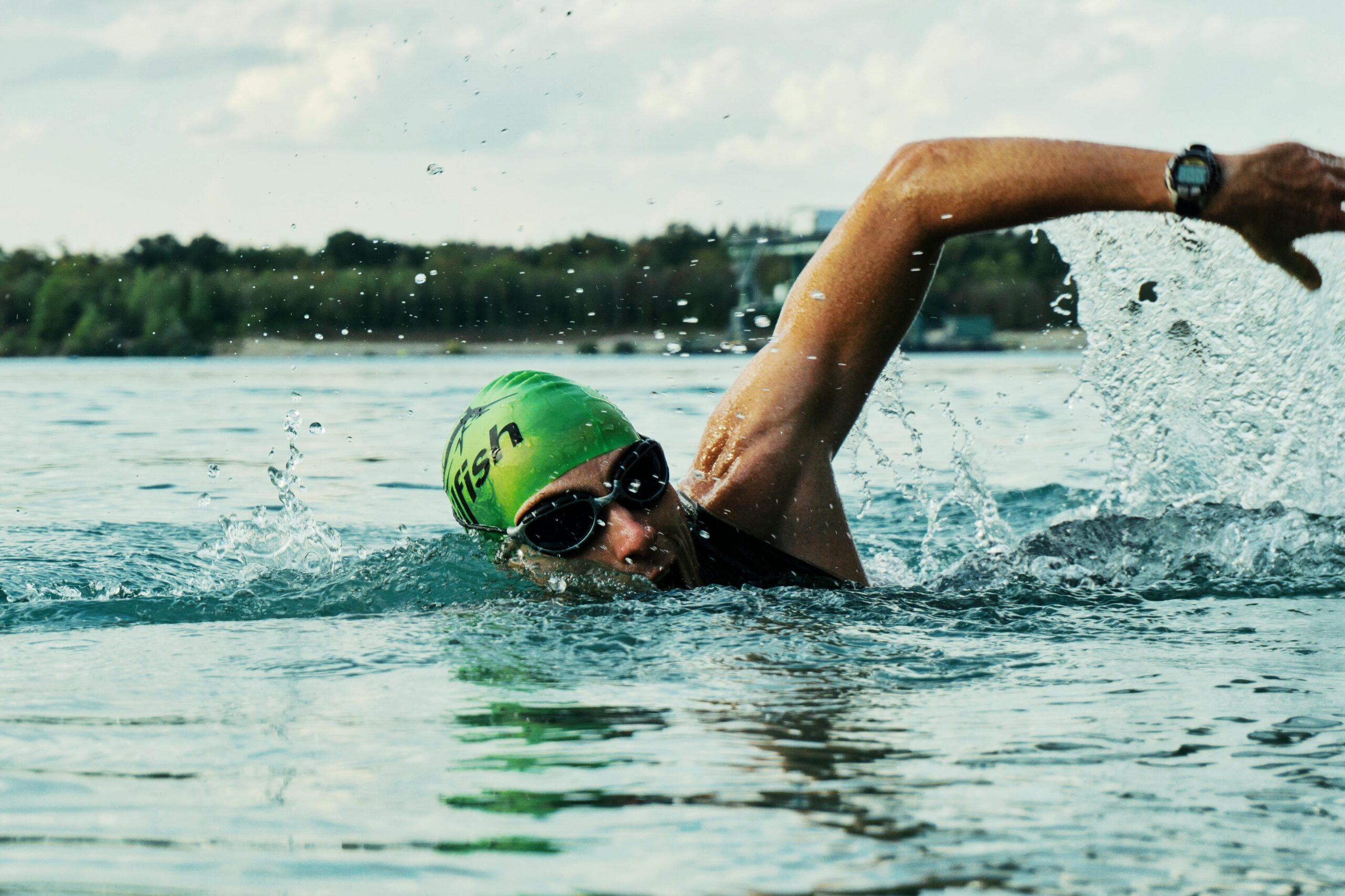
Open water events present warm-up challenges due to limited water access. Arrive early to maximize available warm-up time in the water. If pre-race swimming is restricted, compensate with more extensive dryland activation including arm swings, trunk rotation, and simulated swimming movements to prepare muscles and joints.
🧠 Mental Preparation and Visualization
Physical warm-up represents only one dimension of race readiness. Mental preparation is equally crucial for optimal performance. The pre-race period offers valuable time to establish the psychological state that supports your physical capabilities and racing strategy.
Integrate mental rehearsal throughout your warm-up routine. As you complete physical movements, visualize key race segments—the start, challenging sections, your pacing strategy, and the final push. This mental-physical integration creates neural pathways that enhance execution during actual competition.
Controlling Pre-Race Anxiety
Most athletes experience some nervousness before racing. Appropriate anxiety can enhance performance by increasing alertness and motivation. However, excessive anxiety impairs decision-making, disrupts pacing, and causes premature fatigue. Your warm-up routine can help regulate arousal to optimal levels.
Use breathing techniques throughout your warm-up. Controlled breathing—inhaling for four counts, exhaling for six—activates parasympathetic nervous system response, reducing excessive anxiety while maintaining alertness. Between warm-up phases, practice this breathing pattern for 60-90 seconds. Pair breathing with positive self-talk affirmations that reinforce confidence and commitment to your race plan.
🌡️ Environmental Considerations and Adaptations
Weather conditions significantly impact warm-up requirements. Heat, cold, humidity, altitude, and wind each demand specific adjustments to optimize your pre-race preparation while managing environmental stress.
Hot Weather Warm-Up Modifications
In high temperatures, reduce warm-up duration and intensity to prevent premature overheating and dehydration. Focus on mobility and activation rather than extended aerobic work. Seek shade during warm-up phases, and time your routine to finish closer to race start, minimizing heat exposure while maintaining readiness.
Increase pre-warm-up hydration and consider cooling strategies like ice vests or cold towels between warm-up completion and race start. Remember that heat affects cardiovascular stress more than muscular readiness, so you need less cardiovascular warm-up than in cooler conditions.
Cold Weather Preparation Strategies
Cold conditions require more extensive warm-ups to achieve adequate muscle temperature and blood flow. Extend aerobic activation phase duration and wear layers you can progressively remove as body temperature rises. Complete your warm-up closer to race start to maintain elevated temperature.
Pay special attention to extremities—hands, feet, and face—which lose heat rapidly and affect comfort and performance. Consider brief indoor warm-up components if facilities allow, then transition outside for race-specific efforts once core temperature is elevated.
📱 Technology and Tools for Warm-Up Optimization
Modern technology offers valuable support for warm-up execution and refinement. Heart rate monitors, GPS watches, and power meters provide objective feedback on warm-up intensity, ensuring you achieve appropriate physiological activation without overdoing it.
Monitor your heart rate during warm-up phases to ensure progressive intensity. Your general activation should reach 50-60% max heart rate, dynamic mobility maintains 60-70%, and race-specific efforts approach 80-90%. This objective data prevents both inadequate preparation and excessive pre-race fatigue.
Several apps can guide your warm-up with timed intervals and exercise demonstrations. These tools are particularly valuable for athletes new to structured preparation or those seeking to refine their routines based on scientific principles.
🎯 Common Warm-Up Mistakes to Avoid
Even experienced athletes sometimes fall into warm-up traps that undermine their race-day performance. Recognizing these common errors helps you develop more effective preparation strategies.
Starting Too Intensely
Beginning your warm-up at excessive intensity shocks your system and can cause premature fatigue. The gradual progression from easy to race-specific intensity is essential for optimal physiological adaptation. Patience during early warm-up phases pays dividends when the race begins.
Static Stretching Before Racing
Prolonged static stretching before competition temporarily reduces power output and sprint capacity. Save static stretching for post-race recovery. Focus exclusively on dynamic movements that maintain muscle activation while improving range of motion.
Insufficient Race-Pace Exposure
Completing only easy-paced warm-up leaves your body unprepared for race intensity. Include several short efforts at or near race pace to fully activate fast-twitch fibers and confirm your readiness for competitive demands.
Poor Timing and Logistics
Finishing your warm-up too early allows physiological benefits to dissipate. Completing it too late creates stress and inadequate preparation. Practice your warm-up timeline during training to refine your pre-race schedule and eliminate timing uncertainty.
🏆 Personalizing Your Pre-Race Routine
While general principles guide effective warm-ups, individual variation means your optimal routine may differ from other athletes. Experiment during training and smaller races to discover what works best for your physiology, experience level, and racing goals.
Keep a warm-up journal documenting your routine before each race along with performance outcomes. Over time, patterns emerge revealing which approaches consistently support your best performances. Age, fitness level, training background, and even time of day influence ideal warm-up strategies.
Some athletes respond well to more intense preparation while others perform better with conservative warm-ups. Trust your accumulated experience and continue refining your approach based on results. The perfect warm-up for your competitor might be suboptimal for you—personalization matters.
🔄 Recovery Between Warm-Up and Race Start
The transition period between warm-up completion and race start requires deliberate management. This window typically lasts 5-15 minutes depending on start logistics and coral positioning. Use this time strategically to maintain readiness without dissipating the benefits you’ve created.
Stay lightly active with gentle movement—easy walking, relaxed leg swings, or gradual range-of-motion exercises. Avoid standing completely still, which allows muscle temperature to drop and cardiovascular system to deactivate. Keep warm-up clothing accessible to maintain body temperature until immediately before start.
Use this period for final mental preparation. Review your race strategy, visualize the opening minutes, and establish your intended starting pace. Take final nutrition if appropriate—a gel or small amount of sports drink for longer events. Ensure all equipment is properly arranged and positioned.

✨ Making Warm-Ups a Non-Negotiable Habit
Consistent warm-up execution requires treating it as an essential component of racing rather than optional preparation. Commit to your routine regardless of weather, scheduling pressures, or nerves. This commitment transforms warm-ups from occasional practice into performance-enhancing habit.
Practice your race-day warm-up during quality training sessions, particularly those including race-pace work. This rehearsal builds familiarity, refines timing, and reinforces the routine as integral to performance preparation. By race day, your warm-up sequence becomes automatic, reducing decision-making stress and ensuring consistent execution.
Remember that every moment invested in proper warm-up returns dividends through better performance, reduced injury risk, and more enjoyable racing experiences. The athletes crossing finish lines ahead of you aren’t necessarily more talented—they’re often simply better prepared. Your warm-up routine is where race-day success truly begins. Approach it with the same dedication you bring to training, and watch your performances reach new heights as your body learns to access its full potential from the moment the starting gun fires.