Triathlon transitions can make or break your race performance. The moments you spend in the transition area are just as crucial as your swim, bike, and run splits, and mastering this often-overlooked aspect of racing can shave valuable minutes off your finish time.

Whether you’re a first-time triathlete or a seasoned competitor looking to optimize your race day performance, understanding the nuances of transition preparation is essential. The difference between a smooth transition and a chaotic one often comes down to having the right gear and executing a well-practiced plan.
Understanding the Two Transitions in Triathlon 🏊♂️🚴♂️🏃♂️
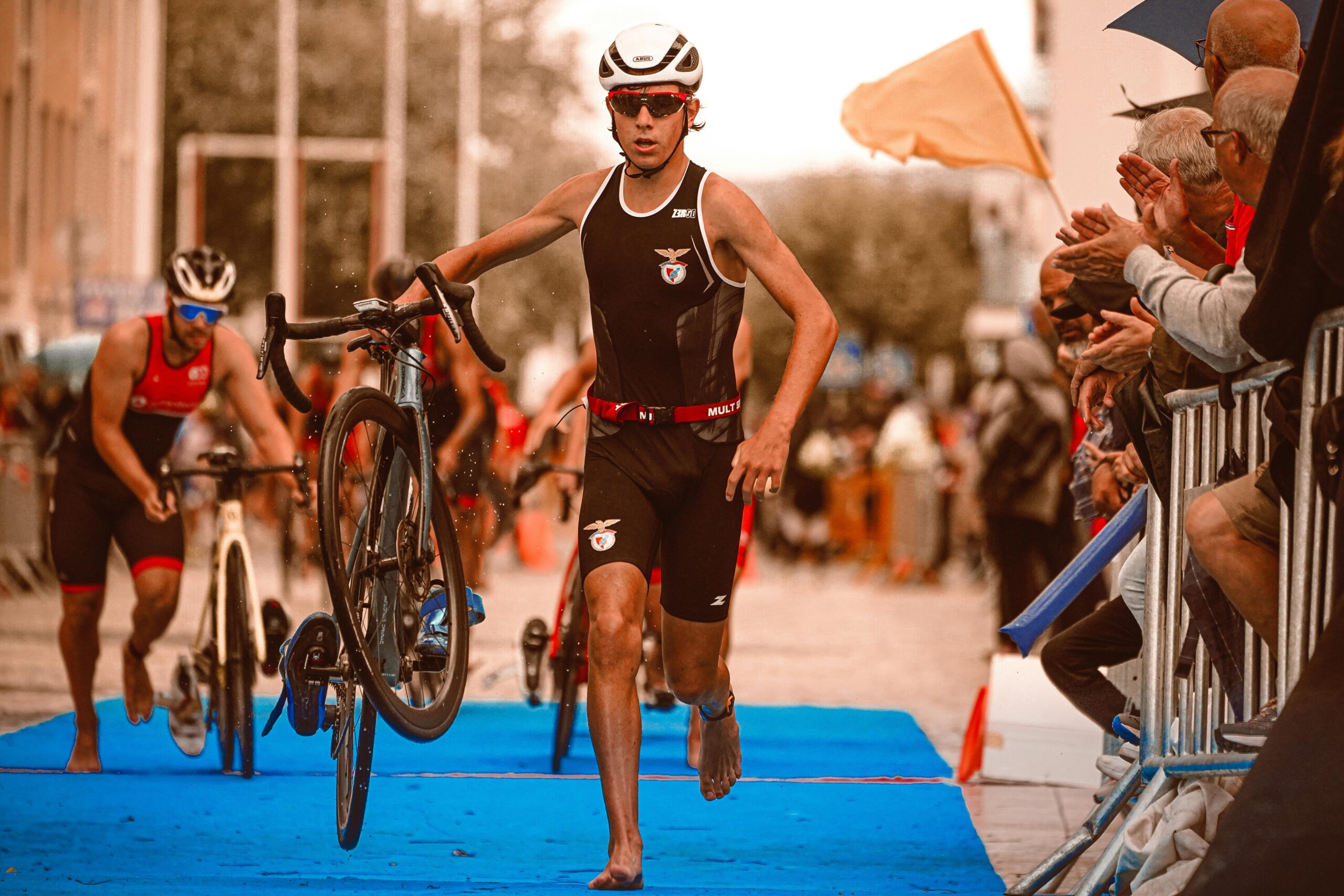
Every triathlon features two distinct transition zones that require different approaches and equipment. T1, the swim-to-bike transition, challenges athletes to quickly shed their wetsuit and swimming gear while preparing for the cycling leg. T2, the bike-to-run transition, demands an efficient switch from cycling mode to running gear.
Each transition presents unique challenges. T1 typically takes longer as athletes navigate wet gear, potentially cramping fingers, and the mental shift from horizontal to vertical movement. T2 tends to be faster but requires managing the notorious “jelly legs” sensation as your body adapts from cycling to running.
Essential Gear for Lightning-Fast T1 (Swim to Bike)
Your T1 setup can significantly impact your overall race time. Having the right equipment organized in a strategic layout makes all the difference when you’re emerging from the water with adrenaline pumping and competition surrounding you.
Wetsuit Strippers and Removal Tools
A quality wetsuit with ankle zippers or wrist straps designed for quick removal is your first investment. Many races offer volunteer wetsuit strippers, but practicing your own removal technique ensures you’re never dependent on this service. Consider applying body glide or anti-chafe products to your ankles and wrists before putting on your wetsuit—this simple step can reduce removal time by several seconds.
The Perfect Transition Towel
Your transition towel serves multiple purposes beyond marking your spot in the transition area. Choose a brightly colored, quick-dry microfiber towel that’s large enough to be visible from a distance but not so large it becomes cumbersome. Use it to quickly dry your feet, preventing blisters and helping you slip into cycling shoes more easily.
Cycling Gear Organization
Layout is everything in T1. Your helmet should be positioned upside down with sunglasses inside, race number belt coiled nearby, and cycling shoes either already clipped into pedals or positioned with the tongue pulled back for easy entry. Keep your cycling shoes open wide with elastic laces or speed laces already adjusted to the perfect tension.
T2 Transition Essentials (Bike to Run)
The bike-to-run transition typically moves faster than T1, but it requires its own specialized preparation. Your legs will feel heavy and uncooperative, making every second of preparation count.
Running Shoe Setup Strategy
Elastic laces or speed lacing systems are non-negotiable for serious triathletes. These allow you to slip into pre-adjusted shoes without fumbling with traditional laces while your heart rate is elevated and fingers are fatigued. Position your running shoes with the tongues pulled back and wide open, heels slightly elevated on a small towel or the edge of your transition space.
Race Number Management
A quality race number belt eliminates the need to pin numbers to your clothing and allows for quick positioning adjustment. The best belts feature a secure clip system with the number already attached, positioned for easy grabbing during T2. Some athletes prefer to wear their race belt during the entire race, positioning the number on their back during the bike leg and rotating it to the front for the run.
Must-Have Multi-Purpose Transition Gear 🎯
Certain pieces of equipment serve you throughout your entire race and deserve special attention in your transition planning.
Tri Suits and Race Kits
A proper triathlon suit eliminates clothing changes entirely, serving as your outfit for all three disciplines. Modern tri suits feature minimal seams to prevent chafing, quick-dry materials, and chamois padding designed specifically for triathlon distances. This single investment can save you 30-60 seconds per transition by eliminating wardrobe changes.
Nutrition and Hydration Placement
Strategic placement of your nutrition and hydration is crucial. Use a small plastic container or bag to keep gels, chews, and salt tablets organized and easily accessible. Position a water bottle near your bike for a quick rinse or drink during T1. Some athletes prefer to tape gels to their bike frame or place them in bento boxes for easy access during the ride.
Transition Bag Systems
For longer races or events with gear bags, invest in a quality mesh transition bag that allows race officials and you to quickly identify contents. Use different colored bags for T1 and T2 if your race provides them, and practice your bag transitions during training to build muscle memory.
Pro Organization Tips for Faster Transitions ⚡
Professional triathletes often gain competitive advantages through superior transition organization rather than expensive equipment. These strategies can help you emulate their efficiency.
The Transition Layout Blueprint
Create a mental checklist and physical layout that you replicate at every race. Position items in the order you’ll need them: wetsuit removal supplies first, then cycling gear, finally running equipment. Some athletes use a small transition mat or towel with pre-marked zones for different gear categories.
Practice Your Mount and Dismount
Flying mounts and dismounts can save 5-10 seconds per transition when executed properly. Practice running with your bike while mounting and dismounting in motion. Master the technique of having your shoes already clipped into pedals, mounting the bike with bare or socked feet, then slipping into shoes while riding.
Mental Rehearsal Techniques
Visualization is a powerful tool for transition mastery. Before race day, mentally walk through each transition step dozens of times. This mental rehearsal creates neural pathways that help your body execute smoothly when race-day adrenaline kicks in.
Weather-Specific Transition Considerations 🌤️
Environmental conditions dramatically affect your transition strategy and required gear. Preparing for various weather scenarios ensures you’re never caught off guard on race day.
Cold Weather Adaptations
For races in cooler conditions, consider arm warmers or a lightweight jacket that can be quickly donned in T1. Keep a towel dedicated to warming and drying your feet before putting on cycling shoes. Some athletes use plastic bags over socks to ease the process of getting feet into cycling shoes when dealing with cold, wet conditions.
Hot Weather Strategies
In extreme heat, position extra water bottles in your transition area for cooling and hydration. A sponge soaked in cold water can provide immediate relief during transitions. Consider freezing water bottles the night before so they remain cold throughout your race morning.
Rain and Wet Conditions
Protect electronics and nutrition from moisture using plastic bags or waterproof containers. Apply extra anti-chafe products to areas prone to irritation when wet. Consider bringing an extra towel specifically for drying feet if rain is forecasted.
Technology and Apps for Transition Training 📱
Modern technology offers valuable tools for perfecting your transition technique and timing. Several applications help triathletes track transition times, practice routines, and analyze performance data.
Training apps designed specifically for multisport athletes can help you track individual transition times during practice sessions, allowing you to identify areas for improvement. These tools often include video analysis features, transition checklists, and race-day countdowns with equipment reminders.
Common Transition Mistakes to Avoid ⚠️
Even experienced triathletes make preventable errors that cost valuable time. Learning from these common mistakes can significantly improve your transition performance.
Over-Packing Your Transition Space
Bringing unnecessary items creates clutter and confusion when every second counts. Limit your transition area to absolute essentials. If you haven’t used an item in your last three races, leave it at home. Remember that most races have strict space limitations, and overflowing into neighboring spaces can result in penalties.
Neglecting Pre-Race Reconnaissance
Arriving at transition without scouting the layout is a critical error. Walk or jog the route from swim exit to your bike position multiple times. Note landmarks that will help you locate your spot quickly when emerging from the water. Similarly, practice the route from bike dismount to your running gear.
Forgetting the Basics
Simple oversights like forgetting to unstrap your helmet or leaving your bike in the wrong gear can cost precious seconds. Create a pre-race checklist that covers every detail, from bike gear selection to ensuring your cycling shoes are in the optimal position for entry.
Advanced Transition Techniques for Competitive Athletes 🏆
Once you’ve mastered basic transition mechanics, these advanced techniques can provide additional time savings for competitive racing.
The Flying Mount Mastery
Professional triathletes make mounting a moving bike look effortless, but this technique requires extensive practice. Start by walking with your bike while hopping on with one foot on a pedal. Progress to jogging speed, then eventually running. This single skill can save 3-5 seconds in T1 while also building momentum for your bike leg.
Shoe-to-Pedal Systems
Leaving your cycling shoes attached to your pedals allows you to mount your bike and gain speed before inserting your feet into shoes. Use rubber bands to hold shoes horizontal during the mount, then break them as you insert your feet. This technique works best for experienced cyclists comfortable riding while performing shoe adjustments.
The Run-Through Dismount
Rather than stopping to dismount, practice unclipping one foot early and swinging your leg over while coasting. This allows you to hit the ground running—literally—as you approach the dismount line. This technique requires confidence and practice but can save valuable seconds while maintaining momentum into T2.
Race-Day Transition Checklist System 📋
Even with extensive preparation, race-day nerves can cause oversights. A systematic checklist approach ensures nothing falls through the cracks.
Night-Before Preparation
Lay out all transition gear the evening before your race. Check tire pressure, ensure your bike is in the optimal starting gear (typically a middle chainring and middle cassette cog), and attach any nutrition to your bike frame. Charge all electronics and prepare a morning checklist for items that can’t be packed until race day.
Morning Setup Sequence
Arrive at transition with ample time—most experienced triathletes recommend at least 60-90 minutes before race start. Set up your transition area methodically, following your practiced layout. After completing your setup, do a mental walk-through of both transitions while standing at your bike spot.
Pre-Race Final Checks
Before transition closes, perform a final systems check: helmet buckled correctly, bike in proper gear, shoes positioned for easy entry, and nutrition accessible. Many athletes take a photo of their transition setup with their phone as a final reference point and for post-race analysis.
Building Your Transition Training Plan 💪
Transition proficiency doesn’t happen by accident—it requires dedicated practice as part of your regular training routine.
Brick Workout Integration
Every brick workout (bike-to-run or swim-to-bike training sessions) should include timed transition practice. Set up a mock transition area in your garage or yard and practice your complete routine, including changing shoes, adjusting race numbers, and grabbing nutrition. Time yourself and track improvements over your training cycle.
Race Simulation Sessions
Monthly, conduct a full race simulation including both transitions with all your actual race gear. This identifies equipment issues, reveals workflow problems, and builds the muscle memory needed for smooth race-day execution. Video recording these sessions provides valuable feedback on areas for improvement.
Pressure Training
Practice transitions when you’re already fatigued to simulate race conditions. After a hard swim set or bike interval workout, immediately practice your transition routine. This trains your body and mind to execute efficiently even when tired and stressed—exactly what you’ll experience on race day.
Elevating Your Transition Game to the Next Level 🚀
Mastering triathlon transitions is an ongoing process of refinement and optimization. The fastest transitions result from the perfect combination of quality equipment, strategic organization, and countless hours of deliberate practice. Every second saved in transition is a second earned without additional physical exertion—it’s truly free speed.
Remember that transition mastery isn’t about having the most expensive gear or the most complicated systems. The best transitions are simple, repeatable, and practiced until they become automatic. Focus on eliminating unnecessary movements, organizing your gear logically, and building the confidence that comes from knowing exactly what to do when race-day adrenaline is flowing.
Start implementing these strategies in your next training session, and you’ll soon discover that transitions can transform from a source of anxiety into a competitive advantage. Your transition area is where races can be won or lost—make it your secret weapon for faster finish times and more enjoyable race experiences.