Swimming competitions can be exhilarating yet nerve-wracking experiences. Understanding proper race-day etiquette ensures not only your success but also creates a respectful environment for everyone involved.

Whether you’re a first-time competitor or a seasoned swimmer, mastering pool etiquette is just as crucial as perfecting your stroke technique. The way you conduct yourself before, during, and after your race reflects your character and sportsmanship. This comprehensive guide will walk you through essential etiquette tips that every swimmer should embrace to make race day smoother, more enjoyable, and ultimately more successful for all participants.
🏊 Pre-Race Preparation: Setting the Right Tone
Your race-day etiquette actually begins long before you step onto the pool deck. Proper preparation demonstrates respect for the event, officials, and fellow competitors. Arriving at the venue with adequate time allows you to familiarize yourself with the facility, locate your team area, and mentally prepare without rushing.
Check-in procedures vary by meet, but typically you’ll need to confirm your participation in scheduled events. Pay close attention to the check-in deadline, as missing it could result in being scratched from your race. Keep your meet program or heat sheet accessible, and verify your lane assignments and heat numbers well in advance.
The warm-up session is your opportunity to acclimate to the pool conditions, but it’s also where etiquette becomes immediately important. Follow the designated warm-up procedures, which usually include circle swimming in assigned lanes. Always enter the pool feet-first unless diving is specifically permitted in certain lanes.
Warm-Up Protocol That Shows Respect
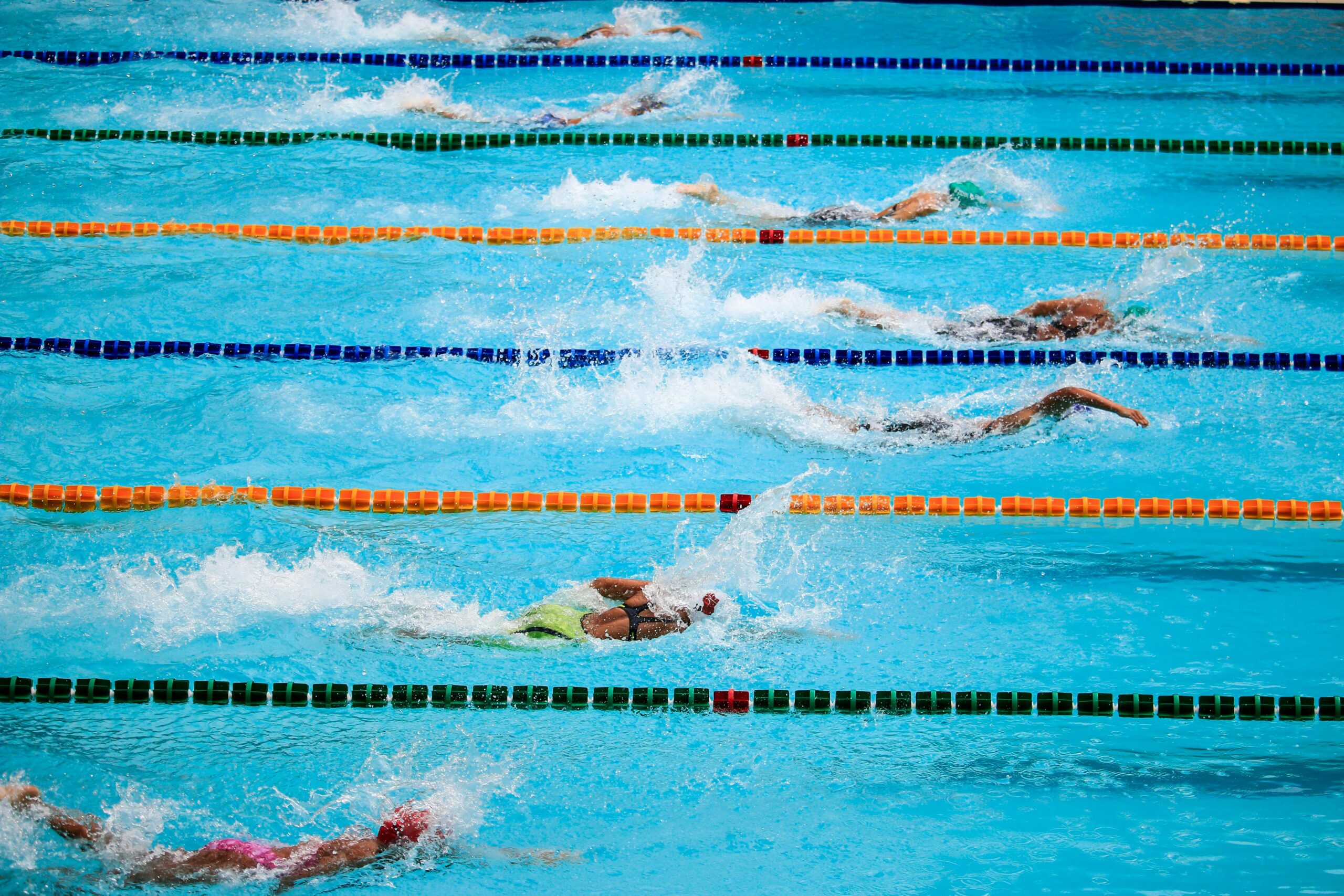
During warm-up, maintain awareness of swimmers around you. Faster swimmers typically use the center lanes, while those swimming at a moderate pace should use the outer lanes. If you need to pass someone, tap their feet gently and pass on the left side. Never push off the wall directly in front of another swimmer who’s approaching for their turn.
Diving during warm-up should only occur in designated sprint lanes, and even then, check that the lane is clear before entering. Starting your dive when someone is mid-length creates dangerous situations and shows poor pool awareness.
📋 Understanding Meet Management and Officials
Swimming competitions run on tight schedules, and meet officials work diligently to keep events flowing smoothly. Your cooperation with their instructions is essential. When officials or marshals call for swimmers to report to the clerk of course or ready room, respond promptly.
The clerk of course area is where swimmers gather before their races. This space should remain relatively quiet, allowing competitors to focus and mentally prepare. Avoid loud conversations, excessive splashing if there’s a warm-down area nearby, or any behavior that might distract others.
Officials including timers, stroke judges, and starters deserve your courtesy and respect. They volunteer their time to ensure fair competition. If you have questions about rules or procedures, approach officials politely during appropriate times—never immediately before or during races.
🎯 Behind the Blocks: Critical Moments Before Your Race
When your heat is called, proceed to your assigned lane promptly. Remove your warm-up gear and place it in a designated area, not scattered on the deck where it might create tripping hazards. Step up behind your starting block and wait for the starter’s instructions.
This is not the time for last-minute coaching conversations or extended rituals. Brief final words from your coach are acceptable, but prolonged discussions delay the meet and show disrespect for other competitors who are ready to race.
Once the referee blows the whistle signaling swimmers to step onto the blocks (or enter the water for backstroke), you should be ready. Adjusting goggles, caps, or suits should have been completed beforehand. Multiple false starts due to lack of preparation reflect poorly on your professionalism.
Starting Procedure Excellence
The starting sequence demands complete attention and stillness. When the starter says “Take your mark,” assume your starting position and remain motionless until the starting signal. Any movement can result in a false start. If you genuinely need to step down before the start, raise your hand immediately rather than causing a false start.
False starts happen, but repeated violations suggest insufficient focus or preparation. Understand your federation’s false start rules—many competitions now implement a one-and-done policy where any false start results in disqualification.
🏁 In-Race Conduct: Swimming with Integrity
Once the race begins, your focus should be entirely on your performance while adhering to stroke rules and lane discipline. Staying in your lane seems obvious, but in the heat of competition, swimmers sometimes drift, especially during freestyle where breathing patterns affect direction.
If you accidentally interfere with another swimmer, it’s a genuine mistake, but repeated lane violations could result in disqualification and definitely demonstrate poor technique or spatial awareness. Swimming a straight line down the middle of your lane prevents these issues.
Never intentionally interfere with competitors. Swimming is an individual sport with clear lane boundaries, and attempting to gain advantage through interference violates both written rules and the spirit of competition.
Finishing Strong and Respectfully
As you approach the wall for your finish, complete the race according to the rules of your stroke. For freestyle and backstroke, simply touch the wall. For breaststroke and butterfly, ensure you touch with both hands simultaneously at the same level. Improper finishes can result in disqualification regardless of how fast you swam.
After touching the wall, quickly check the scoreboard for results, but remain in your lane until all swimmers have finished. Exiting the pool prematurely, especially in a way that creates waves affecting other competitors still racing, is a serious breach of etiquette. Wait for the official signal or until everyone has completed the race before exiting.
🤝 Post-Race Behavior: Showing True Sportsmanship
How you conduct yourself after racing reveals your character. Win or lose, display grace and sportsmanship. Congratulate competitors in adjacent lanes, especially those who performed well. A simple “good race” or fist bump creates positive competitive relationships.
If you achieved a best time or won your heat, celebrate appropriately but avoid excessive displays that might seem boastful or disrespectful to others who didn’t achieve their goals. Swimming is a sport where everyone battles their own times and personal standards, not just the competition in the pool.
Conversely, if your race didn’t go as planned, handle disappointment with maturity. It’s natural to feel frustrated, but outbursts, throwing equipment, or displaying poor sportsmanship reflects badly on you, your team, and your coaches. Use disappointment as motivation for improvement rather than an excuse for poor behavior.
Interacting with Officials Regarding Results
If you believe an error occurred in timing or scoring, follow proper protocols for addressing concerns. Coaches typically handle these situations, but if you must speak to an official, do so respectfully and through appropriate channels. Arguing, displaying anger, or challenging officials publicly is never acceptable.
Disqualifications can be disappointing, especially if you swam a fast time. However, stroke judges and turn judges are trained officials making calls to ensure fair competition. Accept disqualifications gracefully, learn from the error, and work with your coach to prevent similar issues in future races.
👨👩👧👦 Team Area Etiquette: Being a Great Teammate
The team area serves as your base throughout the meet. Keeping this space organized shows respect for your teammates and other teams sharing limited space. Don’t spread belongings across excessive areas, and never encroach on space designated for other teams.
Volume levels in team areas should remain reasonable. While cheering and supporting teammates is encouraged, constant loud noise, music without headphones, or disruptive behavior disturbs other teams trying to rest or focus before races.
Supporting your teammates creates positive team culture. Cheer for them during races, offer encouragement before they compete, and console them if races don’t go well. Swimming is often considered an individual sport, but the team environment provides crucial support and motivation.
🎽 Deck Behavior Between Races
The pool deck is a workspace for officials, coaches, and swimmers. Walking, not running, is the cardinal rule for deck safety. Wet decks are slippery, and running creates unnecessary risk for yourself and others. This applies regardless of how urgently you need to reach your next race or return to your team area.
Stay clear of racing lanes between events. Standing at the end of lanes, sitting on starting blocks, or congregating in areas where the next heat of swimmers needs access causes delays and frustration. Designated areas for swimmers awaiting races keep traffic organized.
Food and drinks typically must stay in team areas, not on the active pool deck. Beyond creating slip hazards, bringing food near the pool violates health codes at many facilities. Stay hydrated and fueled, but do so in appropriate locations.
📱 Technology and Social Media Considerations
In our connected world, sharing race experiences on social media is common. However, photography and video policies vary by meet. Many competitions restrict photography to credentialed individuals due to athlete safety and privacy concerns. Always respect these policies.
If photography is permitted, be mindful of what you capture and share. Never post unflattering images of other competitors or anything that could be considered bullying or unsportsmanlike. Celebrate your own achievements without diminishing others.
During competition, keep phone use minimal and confined to team areas. Scrolling through social media behind the blocks while waiting for your race demonstrates lack of focus and disrespect for the competition. Stay present and mentally engaged.
💧 Special Considerations for Different Competition Levels
Age group swimmers are still learning competitive etiquette, and patience from older swimmers, officials, and spectators helps them develop. However, even young swimmers should understand basic concepts like staying in their lanes, listening to officials, and displaying good sportsmanship.
High school and club level competitions typically have more formalized expectations. Swimmers at these levels should fully understand meet procedures, stroke rules, and appropriate conduct. This is where competitive habits form that carry through to higher levels.
College and elite level swimming demands the highest standards of professionalism. At these levels, you represent not just yourself but your institution or country. Every aspect of your behavior contributes to your reputation and the swimming community’s overall image.
Masters Swimming: A Unique Culture
Masters swimming competitions often have a more relaxed, social atmosphere compared to youth or elite swimming, but etiquette remains important. Many masters swimmers balance competition with fitness and social aspects, creating a welcoming environment for swimmers of all abilities.
The camaraderie in masters swimming is special—competitors often cheer each other on more vocally than in other levels. Embrace this culture while still maintaining proper race conduct and respect for the competitive aspects of the meet.
🌟 Building Your Reputation as a Respected Competitor
Your reputation in the swimming community develops over time through consistent demonstration of proper etiquette, sportsmanship, and respect. Coaches, officials, and fellow competitors notice swimmers who conduct themselves professionally, and these positive impressions open doors for future opportunities.
Being known as a swimmer who follows rules, respects officials, supports teammates, and handles both victory and defeat with grace makes you someone others want to compete with and against. This reputation becomes particularly valuable as you advance in the sport.
Mentoring younger or less experienced swimmers in proper etiquette extends the positive culture of swimming. When you help others understand expectations and model appropriate behavior, you contribute to the sport’s overall integrity and create a welcoming environment for newcomers.
🎖️ Championship Meets and High-Pressure Situations
Championship meets intensify pressure and emotions, making etiquette even more critical. Higher stakes can lead to increased tension, but maintaining composure and proper conduct distinguishes true champions from those who simply swim fast.
Pre-race routines might be more elaborate at championship meets, but they still must fit within the time constraints of meet operations. Develop routines that prepare you mentally and physically without causing delays or disrupting others.
Medal ceremonies are traditional parts of championship meets. If you’re fortunate enough to medal, present yourself appropriately—this means proper attire (typically team warm-ups), respectful behavior during national anthems or ceremonies, and gracious acknowledgment of fellow medalists.
🔄 Warm-Down Protocols and Recovery
After your race, proper warm-down helps recovery and prepares you for potential additional races. Designated warm-down pools or lanes exist at most larger competitions. Use these spaces appropriately, following similar circle swimming patterns as during warm-up.
Warm-down areas aren’t social lounges. Keep conversations minimal and maintain awareness of other swimmers trying to complete their recovery swims. Hogging a wall for extended rest periods or stopping mid-lane prevents others from utilizing the space effectively.
If warm-down space is limited, be efficient with your recovery swimming and then exit to allow others access. Everyone deserves the opportunity to properly cool down after racing.
🎓 Learning from Experience and Continuous Improvement
Every meet provides learning opportunities not just for swimming performance but also for understanding competitive etiquette. Observe experienced swimmers and how they conduct themselves. Notice what behaviors officials appreciate and what causes problems.
Ask coaches or veteran teammates about etiquette questions. Most are happy to share guidance that helps you avoid mistakes and become a more polished competitor. Understanding the “why” behind etiquette rules helps you internalize them rather than simply following blind rules.
Reflect after each competition on both your swimming performance and your conduct. Did you handle all situations appropriately? Were there moments where you could have shown better sportsmanship or awareness? This self-reflection accelerates your development as a complete competitor.
✨ The Lasting Impact of Exemplary Etiquette
Swimming competitions are more than just races against the clock—they’re communities where relationships form, lessons are learned, and character develops. The swimmer who masters not only speed and technique but also proper etiquette becomes a valued member of this community.
Your conduct influences how others perceive the sport. Spectators, especially those new to swimming, form impressions based on what they observe. When swimmers demonstrate respect, sportsmanship, and professionalism, they elevate the sport’s reputation and potentially inspire future participants.
The habits and character traits you develop through practicing good competitive etiquette extend far beyond the pool. Time management, respect for authority, graciousness in victory and defeat, and consideration for others are life skills that swimming helps cultivate when approached with the right mindset.
Remember that every interaction at a swim meet—with competitors, officials, coaches, and spectators—contributes to your legacy in the sport. Choose to be remembered not just for fast times, but for being a competitor who elevated everyone around you through exemplary conduct and genuine sportsmanship. The pool may be where you compete, but the relationships and reputation you build through proper etiquette create lasting value that transcends any single race or season. Embrace these principles, and you’ll truly master the pool with confidence. 🏊♂️