
In today’s fast-paced world, mastering time management has become more crucial than ever, and cutting-edge electronics offer innovative solutions to help you stay organized and efficient.

Whether you’re juggling multiple projects at work, managing household tasks, or pursuing personal goals, the right timer technology can transform how you approach daily challenges. Modern electronic timers have evolved far beyond simple kitchen countdown devices, now offering sophisticated features that integrate seamlessly with our digital lifestyles. From smart home automation to productivity enhancement, these tools have become indispensable companions in our quest for better time management and increased efficiency.
🕐 The Evolution of Timer Technology: From Analog to Smart
Timer technology has undergone a remarkable transformation over the past few decades. Traditional mechanical timers, while still functional, have given way to digital alternatives that offer unprecedented precision and versatility. Today’s electronic timers combine advanced sensors, wireless connectivity, and intelligent algorithms to provide features our predecessors could only dream of.
The shift from analog to digital timers marked the first major revolution, introducing LED displays and programmable settings. However, the real game-changer came with the integration of smartphone technology and Internet of Things (IoT) capabilities. Modern smart timers can now communicate with other devices, learn from your habits, and adjust automatically to optimize your schedule.
Key Features That Define Modern Timer Electronics
Contemporary timer devices come equipped with features that extend well beyond basic countdown functionality. Multi-zone timing allows you to manage several tasks simultaneously, while programmable sequences enable complex workflows to run automatically. Many devices now include voice control integration, working seamlessly with virtual assistants like Alexa, Google Assistant, and Siri.
Cloud synchronization ensures your timer settings remain accessible across multiple devices, while advanced analytics provide insights into how you’re spending your time. These features collectively create an ecosystem that supports comprehensive time management strategies rather than isolated timing functions.
📱 Essential Timer Electronics for Maximum Productivity
Smart Outlet Timers: Automate Your Energy Usage
Smart outlet timers represent one of the most practical applications of timer technology in modern homes. These devices plug directly into your existing electrical outlets and allow you to control when connected appliances receive power. Beyond simple on-off scheduling, premium models offer energy monitoring, remote access via smartphone apps, and integration with home automation platforms.
The energy-saving potential alone makes smart outlet timers worthwhile investments. Program your coffee maker to start brewing five minutes before your alarm, ensure outdoor lights turn on at sunset, or prevent phantom energy drain by cutting power to entertainment systems during specific hours. The convenience and cost savings compound quickly when deployed strategically throughout your home.
Digital Kitchen Timers: Precision Cooking Made Simple
While kitchen timers might seem basic, modern iterations offer surprising sophistication. Multi-channel digital timers let you track several dishes simultaneously, each with distinct alerts to prevent confusion. Magnetic backs and integrated clips provide versatile mounting options, while water-resistant designs withstand the inevitable kitchen mishaps.
Advanced models incorporate temperature probes that monitor internal food temperatures while timing cooking duration, taking the guesswork out of achieving perfect results. Some connect to recipe apps, automatically setting appropriate times based on your selected dishes and adjusting for altitude or ingredient variations.
Productivity Timer Devices: Physical Tools for Digital Focus
Despite our smartphone dependence, dedicated physical timer devices for productivity have experienced renewed popularity. These purpose-built tools help minimize digital distractions while maintaining time awareness. The Time Timer, for example, uses a visual disk that shrinks as time elapses, providing an intuitive at-a-glance understanding of remaining duration—particularly helpful for visual learners and those with attention challenges.
Pomodoro technique timers have emerged as specialized devices designed specifically for this popular productivity method. They cycle through 25-minute focus periods followed by 5-minute breaks, with longer breaks after completing four cycles. The physical act of starting a dedicated device creates a psychological trigger that signals work mode, separate from the multitasking temptations of smartphone-based alternatives.
⏱️ Strategic Timer Implementation: Practical Applications
Morning Routine Optimization
A well-timed morning routine sets the tone for your entire day. Strategic timer placement can transform chaotic mornings into smooth, predictable sequences. Begin by identifying bottlenecks—perhaps you consistently run late because you lose track of time in the shower or while checking emails over breakfast.
Implement a cascading timer system where each activity has allocated time with buffer periods between transitions. Set a smart plug to start your coffee maker at 6:30 AM, use a waterproof shower timer to keep ablutions to 10 minutes, and employ a visual countdown timer in your dressing area to maintain awareness while getting ready. This structured approach eliminates decision fatigue and reduces morning stress significantly.
Work Session Management for Peak Performance
Research consistently demonstrates that human attention operates in natural cycles rather than sustaining peak performance indefinitely. Timer-based work methods acknowledge this reality by structuring focused work periods with strategic breaks. The Pomodoro Technique remains popular because it aligns well with cognitive science findings about optimal focus duration.
However, different tasks require different timing approaches. Creative work might benefit from longer, uninterrupted blocks of 90 minutes aligned with ultradian rhythms, while administrative tasks might proceed more efficiently in shorter sprints. Experiment with various timer intervals to discover what maximizes your productivity for different work types.
Exercise and Fitness Timing Precision
Interval training has revolutionized fitness by demonstrating that structured timing produces superior results compared to steady-state exercise. Whether you’re following HIIT protocols, Tabata intervals, or circuit training routines, precise timing ensures you’re working at the correct intensity for optimal adaptation.
Dedicated fitness timers or timer-equipped devices eliminate the need to watch a clock during workouts, allowing complete focus on form and effort. Advanced models provide audio cues for work-rest transitions, track completed rounds, and log workout duration for progress monitoring. Some integrate heart rate monitoring, adjusting rest periods based on recovery metrics rather than fixed intervals.
🏠 Home Automation: Timers as the Foundation of Smart Living
Timer functionality forms the backbone of effective home automation systems. While sensors and artificial intelligence add sophistication, scheduled timing creates reliable, predictable automation that enhances daily life without requiring constant attention or adjustment.
Lighting Control and Circadian Rhythm Support
Proper lighting timing influences sleep quality, mood, and overall health through its effects on circadian rhythms. Smart lighting systems with integrated timers can gradually brighten in the morning to simulate sunrise, supporting natural waking. Evening routines benefit from scheduled dimming and color temperature shifts toward warmer tones, signaling your body to prepare for rest.
Security benefits emerge from randomized timer settings that create lived-in lighting patterns when you’re away, deterring potential intruders more effectively than rigid schedules. Seasonal adjustments automatically compensate for changing sunrise and sunset times, maintaining appropriate lighting throughout the year without manual reprogramming.
Climate Control and Energy Efficiency
Heating and cooling systems represent significant energy expenses, making them prime candidates for timer-based optimization. Smart thermostats use sophisticated timing algorithms to precondition your home before arrival while maintaining energy-saving temperatures during absence. Learning capabilities refine schedules based on detected patterns, balancing comfort with efficiency.
Zone-based systems extend these benefits by heating or cooling only occupied areas during specific times. Bedroom temperatures drop during daytime hours when those spaces sit empty, then reach comfortable levels before bedtime. This granular control substantially reduces energy waste without sacrificing comfort.
💼 Professional Applications: Business Efficiency Through Timer Integration
Meeting Management and Time Boxing
Meetings notoriously expand to fill available time, often extending well beyond productive limits. Visible countdown timers in conference rooms create accountability, keeping discussions focused and respecting participants’ schedules. Allocate specific durations to agenda items, using timers to enforce transitions and prevent single topics from dominating.
Time boxing extends beyond meetings to project management, where tasks receive fixed time allocations rather than open-ended deadlines. This approach combats perfectionism and Parkinson’s Law—the tendency for work to expand to fill available time. By constraining duration, you force prioritization of essential elements while accepting that some refinement must yield to completion.
Customer Service and Response Time Tracking
Service-oriented businesses benefit tremendously from timer-based response tracking. Automated systems can monitor elapsed time since customer inquiries arrived, escalating unaddressed requests that exceed threshold durations. This ensures no customer falls through communication cracks while providing metrics for staff performance evaluation.
Call center applications use timers to balance call duration against quality, ensuring representatives provide thorough service without unnecessary prolongation. Real-time displays help agents pace conversations appropriately while managers monitor overall efficiency metrics.
🎯 Choosing the Right Timer Technology for Your Needs
Assessment Framework: Matching Features to Requirements
Selecting appropriate timer technology begins with honest assessment of your actual needs versus attractive features you’re unlikely to use. Consider these key factors:
- Complexity vs. Usability: More features don’t automatically mean better results if the interface proves confusing or setup requires excessive time investment.
- Integration Requirements: Standalone devices offer simplicity, while smart home integration provides expanded capabilities but increases complexity and potential failure points.
- Portability Needs: Will the timer remain stationary or require frequent relocation? Battery operation versus AC power impacts placement flexibility.
- Visual vs. Audio Alerts: Your environment and hearing capabilities influence whether visual, auditory, or haptic alerts work best.
- Durability and Environment: Kitchen timers need water resistance; workshop timers require impact protection; outdoor applications demand weather resistance.
Budget Considerations and ROI Analysis
Timer electronics span enormous price ranges, from budget-friendly basic models to premium smart devices costing ten times more. Evaluate return on investment by considering time saved, energy costs reduced, and stress eliminated rather than just upfront expense.
A $15 mechanical timer that automates a single lamp delivers immediate value without complications. Conversely, a $150 smart home hub with comprehensive timer functions across dozens of devices might save hundreds annually in energy costs while providing convenience benefits worth the premium. Match investment to genuine utility rather than purchasing capability you’ll never use.
🔧 Maximizing Timer Effectiveness: Advanced Strategies
Habit Stacking and Trigger Timing
Timer effectiveness multiplies when integrated with habit formation strategies. Use timer-triggered events as cues for desired behaviors—when the 3 PM timer sounds, initiate your afternoon walk; when evening timers dim the lights, begin your wind-down routine. These consistent cues strengthen habit loops, making positive behaviors increasingly automatic.
Layer multiple timers to create seamless routine sequences where completing one timed activity naturally flows into the next. This chaining reduces friction and decision points that typically derail consistency.
Data Analysis and Continuous Improvement
Advanced timer systems generate valuable data about time allocation patterns. Regular review reveals discrepancies between intended and actual time usage, highlighting areas requiring adjustment. Perhaps tasks consistently exceed estimated durations, indicating either unrealistic planning or efficiency opportunities.
Track which timer strategies produce measurable results versus those that create busywork without meaningful impact. Eliminate or modify ineffective approaches while doubling down on successful implementations. This evidence-based refinement prevents timer technology from becoming another productivity theater exercise that feels useful without delivering results.
🌟 Future Trends: What’s Next in Timer Technology
Timer technology continues evolving rapidly, with several emerging trends poised to enhance capabilities further. Artificial intelligence integration will enable predictive timing that anticipates needs based on contextual factors like weather, calendar events, and historical patterns. Your morning routine might automatically adjust when sensors detect you woke earlier than usual or when traffic data suggests leaving for work 10 minutes sooner.
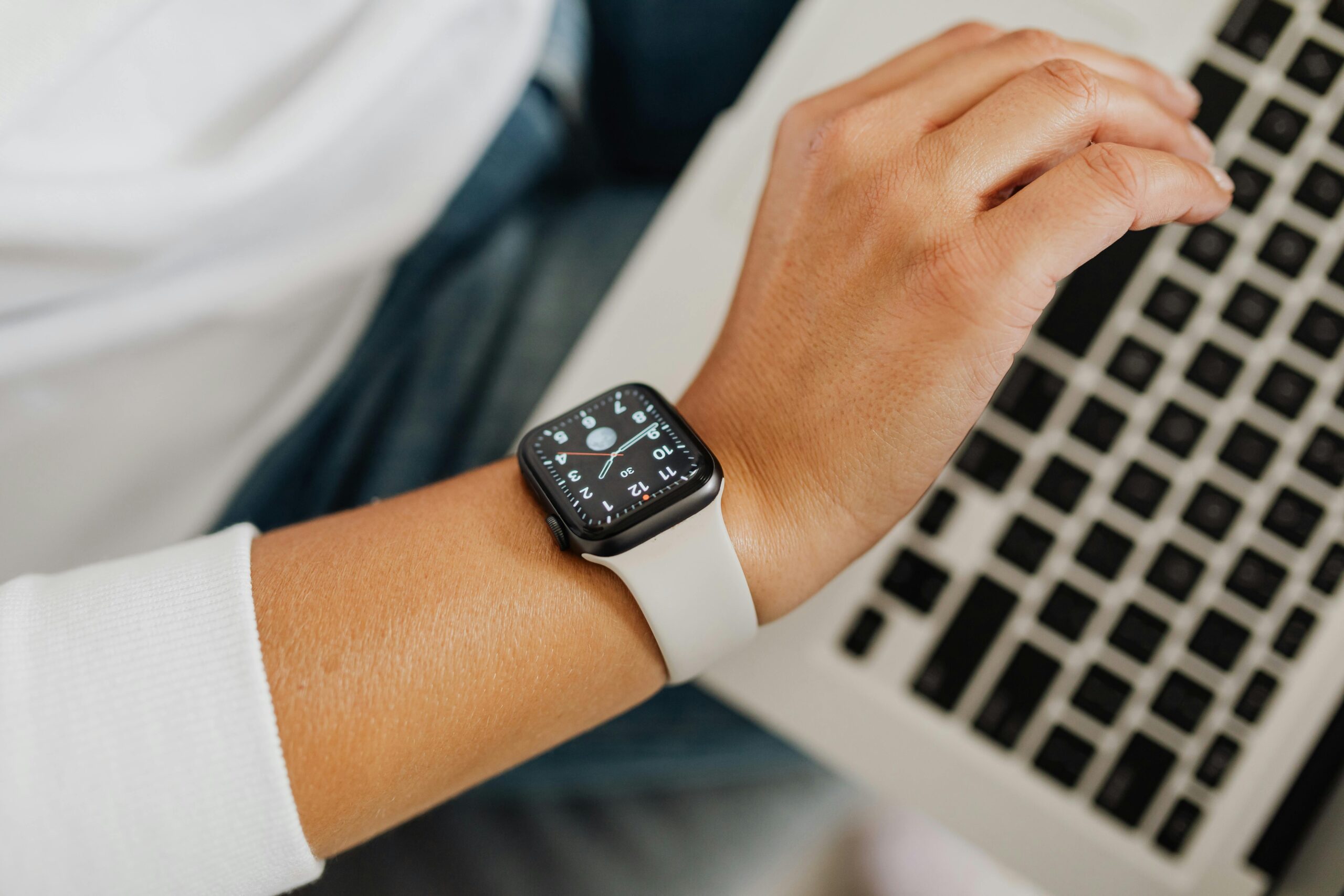
Biometric integration represents another frontier, with wearable devices providing real-time physiological data to inform optimal timing. Exercise timers might adjust intervals based on current heart rate variability, while work timers could suggest breaks when stress indicators elevate beyond healthy thresholds.
Voice and gesture controls will reduce friction in timer interaction, allowing natural communication rather than button pressing or screen tapping. Combined with ambient computing principles, timer technology will fade into environmental background, providing benefits without demanding attention.
🚀 Taking Action: Your Timer Implementation Roadmap
Begin your timer mastery journey with these practical steps. First, audit your current time management challenges, identifying specific pain points where timer technology could provide relief. Don’t attempt comprehensive overhaul immediately—start with one or two high-impact applications that address your most significant frustrations.
Implement your initial timer solutions and commit to consistent use for at least two weeks before evaluation. This duration allows habit formation and reveals genuine utility beyond novelty appeal. Document results objectively, measuring time saved, tasks completed, or stress reduced.
Gradually expand timer integration based on proven successes, maintaining focus on practical benefit rather than technological novelty. The goal remains mastering your time through strategic tool use, not accumulating gadgets that complicate rather than simplify.
Timer technology offers genuine power to reclaim control over your schedule, enhance productivity, and reduce the constant time pressure characterizing modern life. By thoughtfully selecting appropriate tools and implementing strategic timing practices, you transform from reactive to proactive, from overwhelmed to organized. Start small, stay consistent, and watch as these simple devices create compound improvements across every area of your life. Your future self will thank you for taking action today to master time through cutting-edge electronics designed for ultimate efficiency and preparedness.