Crossing the finish line is exhilarating, but what you do in the hours and days following your race can make or break your recovery. Proper post-race care accelerates healing and prepares your body for future training.

Whether you’ve completed a 5K, marathon, or ultra-distance event, your body has endured significant stress. Muscle fibers have torn, glycogen stores are depleted, and inflammation has set in. Understanding how to navigate this critical recovery window will determine how quickly you bounce back and how effectively you can return to training without risking injury or burnout.
🏃♀️ The First 30 Minutes: Immediate Post-Race Protocol
The moments immediately after crossing the finish line are crucial for initiating proper recovery. Your body is in a heightened state of stress, and your actions during this window set the tone for everything that follows.
Keep moving with a gentle walk for 10-15 minutes after finishing. This helps your cardiovascular system transition from high-intensity work to rest while preventing blood from pooling in your legs. Stopping abruptly can cause dizziness or even fainting as your heart rate drops rapidly.
Begin rehydrating immediately, even if you don’t feel thirsty. During intense exercise, your thirst mechanism lags behind actual hydration needs. Aim for 16-24 ounces of fluid containing electrolytes within the first 30 minutes. Water alone isn’t sufficient—you need sodium, potassium, and other minerals lost through sweat.
Initial Nutrition Window
Your muscles are primed to absorb nutrients immediately post-race. Consume a combination of simple carbohydrates and protein within 30-45 minutes of finishing. The ideal ratio is approximately 3:1 or 4:1 carbohydrates to protein.
Good immediate post-race snack options include chocolate milk, recovery shakes, bananas with nut butter, or specialized sports nutrition products. Don’t worry about eating a perfect meal at this stage—focus on getting something digestible into your system quickly.
🧊 Managing Inflammation and Muscle Damage
Inflammation is your body’s natural response to the micro-tears in muscle tissue that occur during racing. While some inflammation is necessary for adaptation and growth, excessive inflammation can prolong recovery and increase soreness.
Ice baths have long been popular among runners, but recent research suggests a more nuanced approach. Complete cold water immersion (10-15 minutes at 50-59°F) within 2 hours post-race can reduce perceived muscle soreness, though it may slightly blunt long-term training adaptations.
Consider alternating between cold and warm applications—contrast therapy can improve circulation without completely suppressing the inflammatory response your body needs for adaptation. Spend 3 minutes in cold water followed by 3 minutes in warm water, repeating 3-4 times.
Compression Therapy Benefits
Compression garments worn for 12-24 hours post-race can reduce swelling and improve blood flow to damaged tissues. The gentle pressure helps remove metabolic waste products while delivering oxygen and nutrients to recovering muscles. Compression socks are particularly effective for runners, targeting the calves and lower legs where much of the impact stress concentrates.
💤 Sleep: Your Most Powerful Recovery Tool
Quality sleep is non-negotiable for optimal recovery. During deep sleep stages, your body releases growth hormone, repairs damaged tissues, and consolidates the physiological adaptations from your race effort.
Aim for 8-10 hours of sleep on race night and the following nights. Your body’s repair processes are working overtime, and sleep deprivation will significantly hamper recovery. Create an optimal sleep environment by keeping your room cool (65-68°F), dark, and quiet.
If you raced in a different time zone, give yourself extra grace as your circadian rhythm readjusts. Consider a short 20-30 minute nap in the afternoon if you’re feeling exceptionally fatigued, but avoid napping too late in the day as it may interfere with nighttime sleep.
🍽️ Strategic Nutrition for Tissue Repair
The 24-48 hours following your race represent a critical window for nutritional support. Your muscles are depleted of glycogen, your immune system is temporarily suppressed, and cellular repair is occurring at an accelerated rate.
Focus your meals around these recovery priorities:
- Lean proteins: Consume 20-30 grams of high-quality protein every 3-4 hours to support muscle repair. Include chicken, fish, eggs, Greek yogurt, or plant-based options like legumes and tofu.
- Complex carbohydrates: Replenish glycogen stores with whole grains, sweet potatoes, quinoa, and fruits. Aim for 1.2 grams of carbohydrates per kilogram of body weight within the first 4 hours post-race.
- Anti-inflammatory foods: Incorporate berries, fatty fish rich in omega-3s, leafy greens, turmeric, and ginger to naturally combat excessive inflammation.
- Hydrating foods: Watermelon, cucumbers, oranges, and soups contribute to your hydration status while providing essential vitamins and minerals.
Micronutrients That Matter
Don’t overlook the role of vitamins and minerals in recovery. Vitamin C supports collagen synthesis for connective tissue repair, while vitamin E acts as an antioxidant protecting cells from oxidative stress. Iron is crucial for oxygen transport, especially important if you lost blood through gastrointestinal stress during the race.
Magnesium supports muscle relaxation and reduces cramping, while zinc plays a vital role in protein synthesis and immune function. Rather than relying solely on supplements, focus on a varied, colorful diet rich in whole foods.
🚶♂️ Active Recovery: Movement Without Stress
Complete rest might seem appealing, but gentle movement accelerates recovery by improving circulation and reducing stiffness. The key is choosing activities that promote blood flow without adding training stress.
Plan your active recovery schedule based on race distance and intensity. For a 5K or 10K, you might feel ready for light jogging within 2-3 days. Marathon runners should wait 7-10 days before attempting even easy runs, while ultra-distance athletes may need 2-3 weeks.
Effective Active Recovery Options
- Walking: 20-30 minutes of easy walking the day after your race increases blood flow without impact stress
- Swimming or water jogging: The buoyancy reduces joint stress while providing gentle resistance
- Cycling: Low-resistance spinning promotes leg turnover without the pounding of running
- Yoga: Gentle stretching combined with breathing work aids physical and mental recovery
Listen to your body carefully during active recovery. If pain increases during or after the activity, you’re pushing too hard. Discomfort should decrease, not intensify, with gentle movement.
🧘♀️ Mobility Work and Stretching Protocols
Post-race tightness is inevitable, but strategic mobility work can minimize discomfort and restore range of motion more quickly. Avoid aggressive static stretching in the first 24-48 hours when muscles are most vulnerable.
Instead, focus on gentle dynamic movements that take joints through their full range of motion without forcing positions. Leg swings, arm circles, and torso rotations help maintain mobility without stressing damaged tissues.
After 48 hours, incorporate longer-hold stretches targeting commonly tight areas like hip flexors, hamstrings, calves, and quadriceps. Hold each stretch for 30-60 seconds, breathing deeply and allowing muscles to gradually release tension.
Foam Rolling and Self-Massage Techniques
Self-myofascial release through foam rolling or massage tools can reduce muscle tension and improve tissue quality. Roll slowly over major muscle groups, pausing on tender spots for 30-60 seconds. Avoid rolling directly over joints or extremely painful areas.
Use a softer foam roller or massage ball in the first few days post-race when tissues are most sensitive. As soreness diminishes, you can progress to firmer tools for deeper pressure. Focus on the quads, IT bands, calves, glutes, and upper back.
💆♂️ Professional Recovery Modalities
While home-based recovery methods form the foundation of your protocol, professional treatments can provide additional benefits, especially after particularly challenging races.
Sports massage within 48-72 hours post-race can reduce muscle tension, improve circulation, and identify areas of particular tightness or restriction. Communicate clearly with your massage therapist about pressure preferences—this isn’t the time for deep tissue work that leaves you more sore.
Physical therapy assessment can be valuable if you experienced any pain during or after the race. Identifying movement compensations or weaknesses early prevents small issues from becoming chronic injuries.
Emerging Recovery Technologies
Percussion massage devices like Theragun or Hypervolt offer convenient at-home muscle treatment. Use these tools on medium settings, avoiding bony areas and never forcing pressure that causes sharp pain.
Compression boots provide sequential pneumatic compression, essentially mechanizing the muscle-pumping action that moves fluid and metabolic waste. While research is mixed on performance benefits, many runners report reduced perceived soreness and faster recovery of range of motion.
📊 Tracking Your Recovery Progress
Objective data can help you determine when you’re truly ready to resume normal training. Relying solely on how you feel can be misleading, as motivation often returns before your body is fully recovered.
Monitor these recovery indicators daily:
| Metric | What It Tells You | Recovery Benchmark |
|---|---|---|
| Resting Heart Rate | Cardiovascular stress and fatigue | Within 5-10% of normal baseline |
| Heart Rate Variability | Nervous system recovery | Return to baseline or higher |
| Sleep Quality | Overall recovery status | Consistent 7-9 hours with minimal disruptions |
| Muscle Soreness | Local tissue damage | Minimal or no soreness with daily activities |
| Energy Levels | Metabolic recovery | Feeling energized throughout the day |
Several apps can help you track these metrics and identify recovery trends. Training platforms like TrainingPeaks, Strava, and specialized recovery apps provide insights into when your body is ready for increased training loads.
🧠 Mental and Emotional Recovery
Physical recovery often dominates post-race discussions, but mental and emotional restoration is equally important. Racing is psychologically demanding, requiring intense focus, pain tolerance, and mental resilience.
Many runners experience post-race blues—a temporary drop in mood after achieving a goal they’ve worked toward for months. This is a normal psychological response to the loss of structure and purpose that training provided.
Allow yourself time to process the race experience without immediately jumping into the next goal. Reflect on what went well, what you learned, and what you might approach differently next time. Journal about your experience to create lasting memories and extract lessons for future races.
Balancing Celebration and Recovery
Celebrate your achievement, but don’t let celebrations derail recovery. Excessive alcohol consumption impairs protein synthesis, disrupts sleep quality, and prolongs inflammation. If you choose to drink, do so in moderation and ensure you’re maintaining proper hydration and nutrition.
Social recovery matters too. Share your experience with fellow runners who understand the journey. Connect with training partners, participate in post-race gatherings, or engage with online running communities to process your experience collectively.
⏰ Creating Your Personalized Recovery Timeline
Recovery needs vary based on race distance, intensity, experience level, and individual physiology. A newer runner will typically need more recovery time than a veteran with years of adaptation behind them.
Use this general framework, adjusting based on how your body responds:
5K Recovery (3-5 days): Day 1-2: Walking and gentle stretching. Day 3-4: Light jogging or cross-training. Day 5: Resume easy running. Week 2: Gradually return to normal training.
10K-Half Marathon Recovery (5-10 days): Day 1-3: Rest or walking only. Day 4-7: Active recovery with cross-training. Day 8-10: Easy running returns. Weeks 2-3: Build volume and intensity gradually.
Marathon Recovery (2-3 weeks): Week 1: No running, focus on walking, swimming, or cycling. Week 2: Introduce easy running, 20-30 minutes maximum. Week 3: Gradually increase duration. Week 4: Begin adding light intensity. Full training resumes week 5-6.
Ultra-Distance Recovery (3-4 weeks): Extended rest period with emphasis on sleep, nutrition, and mental recovery before gradually reintroducing training stimulus.
🔄 Reverse Tapering: The Smart Return to Training
Just as you tapered before race day, you should reverse taper afterward—gradually building volume and intensity rather than jumping back into full training. Rushing this process is the most common cause of post-race injuries.
Start with 50% of your normal weekly mileage when you first return to running, focusing exclusively on easy, conversational pace. Add no more than 10% per week until you’ve returned to your baseline training load.
Reintroduce intensity workouts last, and only after you’ve established a consistent base of easy running without lingering soreness or fatigue. Your first few quality sessions should be moderate—tempo runs rather than intervals, hills rather than track workouts.
🎯 Lessons Learned: Preparing for Next Time
Every race provides valuable information about your training, pacing, nutrition strategy, and mental approach. Use the recovery period to analyze what worked and what needs adjustment for future races.
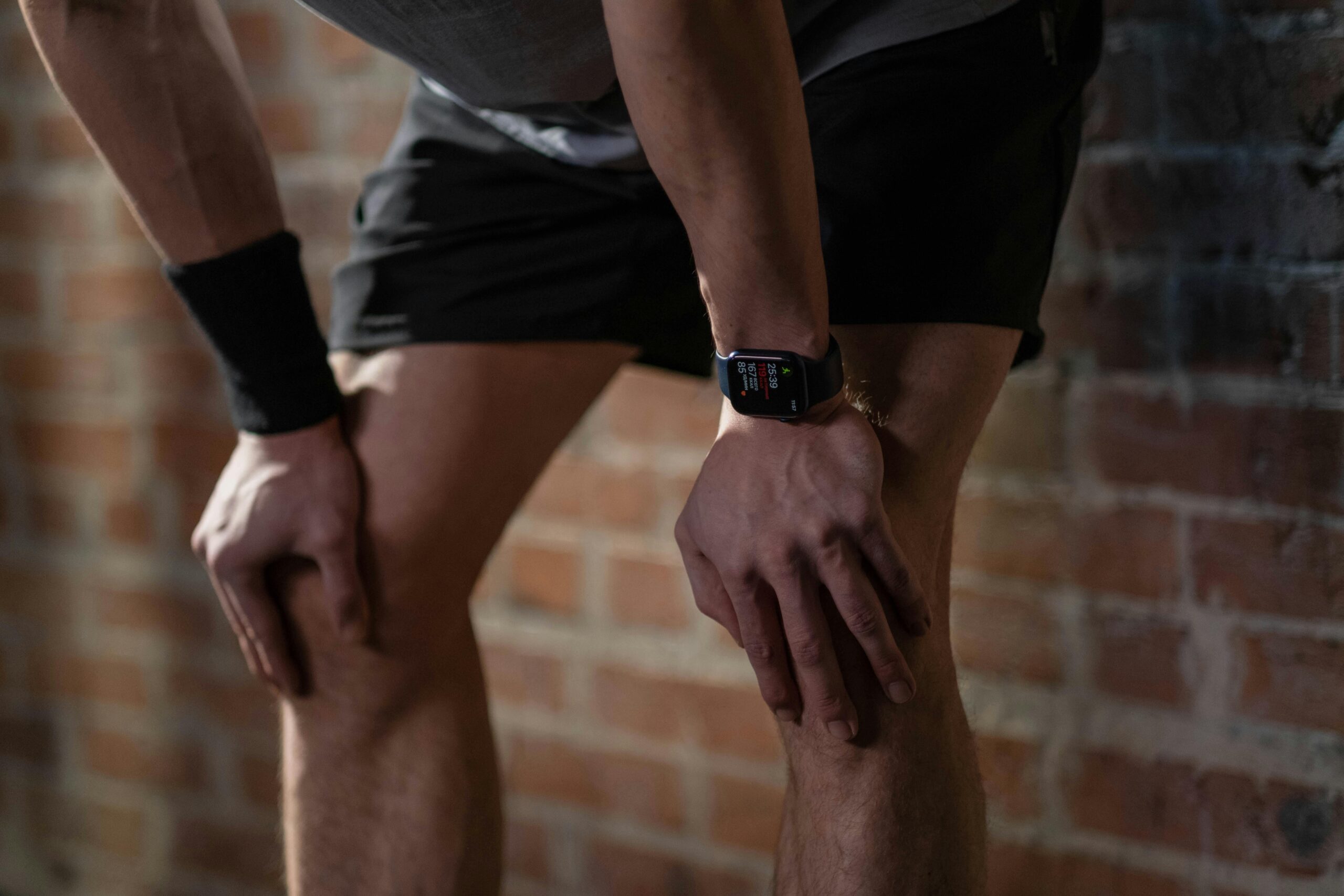
Review your race data if you wore a GPS watch. Did you start too fast? Did your heart rate spike unsustainably? Were there sections where you lost significant time? These insights inform future training focus areas.
Consider nutrition and hydration performance. Did you experience gastrointestinal issues? Did you bonk late in the race? These indicate areas to experiment with during training before your next event.
Most importantly, be patient with yourself. Recovery isn’t linear—some days will feel better than others. Trust the process, honor your body’s signals, and know that proper recovery now sets the foundation for even better performances ahead. Your next personal best begins not at the starting line, but in how well you recover from this race.