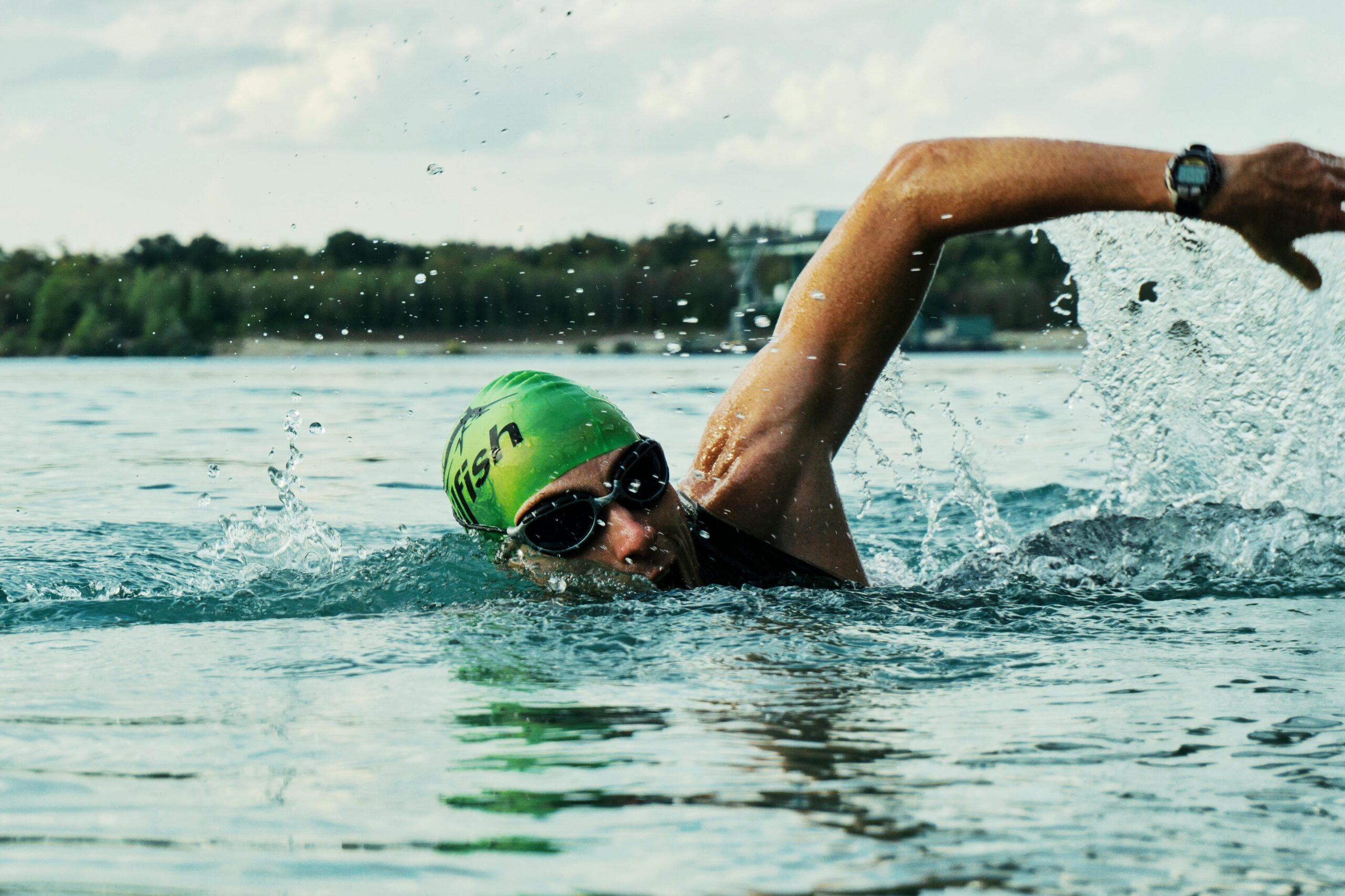
Swimming offers unparalleled benefits for cardiovascular health, muscle development, and mental clarity. However, without a structured approach, many swimmers plateau or risk overtraining, limiting their potential for peak performance and endurance gains.

Whether you’re a competitive athlete seeking to shave seconds off your personal best or a fitness enthusiast aiming to build sustainable endurance, implementing a balanced training program makes all the difference. A well-designed 4-day swimming routine provides adequate recovery time while maximizing your time in the pool, creating the perfect balance between intensity and rest that your body needs to adapt and improve.
🏊♂️ Why a 4-Day Swimming Program Delivers Optimal Results
The science behind athletic performance consistently demonstrates that rest and recovery are equally important as training intensity. A 4-day training schedule strikes the perfect balance, allowing swimmers to target different energy systems, muscle groups, and technical aspects while providing three full recovery days each week.
This approach prevents the common pitfalls of overtraining syndrome, which affects countless swimmers who mistakenly believe that more pool time automatically equals better results. Research in sports physiology shows that muscles grow and adapt during recovery periods, not during the actual training sessions. By spacing workouts strategically throughout the week, you create optimal conditions for supercompensation—the process where your body rebuilds stronger than before.
Additionally, a 4-day program enhances adherence and sustainability. Unlike demanding 6-day schedules that often lead to burnout, this balanced approach fits realistically into most people’s lifestyles, making it easier to maintain consistency over months and years—the true secret to transformative results.
Understanding the Four Pillars of Balanced Swim Training
Every effective swimming program must address four fundamental components that work synergistically to develop well-rounded aquatic athletes. Neglecting any of these pillars creates imbalances that eventually limit your progression and increase injury risk.
Aerobic Endurance Foundation
Aerobic capacity forms the foundation of all swimming performance. This energy system powers longer swims and provides the baseline fitness that supports higher-intensity efforts. Training your aerobic system improves oxygen delivery to muscles, enhances mitochondrial density, and increases your body’s fat-burning efficiency.
In practical terms, aerobic training involves moderate-intensity swimming at approximately 60-75% of your maximum heart rate, where you can maintain conversation (albeit somewhat breathlessly). These sessions typically last 30-60 minutes and should feel comfortably challenging rather than exhausting.
Anaerobic Power Development
While aerobic fitness provides your engine, anaerobic power delivers explosive speed and the ability to maintain fast paces during races or intense intervals. This energy system operates without oxygen for short bursts of 10 seconds to 2 minutes, relying on stored phosphocreatine and glycogen.
Developing anaerobic capacity requires high-intensity interval training (HIIT) in the pool, incorporating sprint sets with adequate recovery periods. These sessions challenge your lactate threshold—the point where lactic acid accumulation begins limiting performance—gradually pushing this ceiling higher.
Technical Skill Refinement
Efficiency matters tremendously in swimming, where even small improvements in technique translate to significantly reduced energy expenditure and faster times. Unlike land-based sports where gravity provides constant feedback, swimming requires deliberate attention to body position, stroke mechanics, and breathing patterns.
Technical work should permeate all training sessions, but dedicating specific portions of workouts to drill work, video analysis, and mindful swimming pays enormous dividends. Many swimmers underestimate how much speed they can gain simply by reducing drag and improving propulsion efficiency.
Active Recovery and Mobility
The fourth pillar involves intentional recovery practices that accelerate adaptation and prevent injury. This includes easy swimming sessions, stretching, foam rolling, and cross-training activities that complement swimming without adding excessive fatigue.
Active recovery promotes blood flow to fatigued muscles, facilitates waste product removal, and maintains movement patterns without imposing significant training stress. These sessions should feel rejuvenating rather than depleting.
Your Complete 4-Day Balanced Training Program
This comprehensive program distributes training stress strategically across the week, ensuring you address all four pillars while maintaining adequate recovery. Each session has a specific purpose and contributes to your overall development as a swimmer.
Day 1: Aerobic Endurance and Technical Development (Monday)
Begin your training week with a session that builds your aerobic base while emphasizing stroke efficiency. This combination prepares your body for the week ahead without excessive fatigue.
Warm-up (10 minutes):
- 400m easy mixed strokes (100m each: freestyle, backstroke, breaststroke, choice)
- 200m freestyle with focus on lengthening your stroke
Main Set (35-40 minutes):
- 8 x 50m drill work (choose from catch-up drill, fingertip drag, single-arm freestyle) with 15 seconds rest
- 3 x 400m freestyle at comfortable aerobic pace (70% effort) with 45 seconds rest between each
- 4 x 100m with every 4th lap as non-freestyle stroke, moderate effort, 20 seconds rest
Cool-down (10 minutes):
- 300m easy choice of stroke with focus on long, relaxed movements
Total volume: Approximately 2,800-3,000 meters
Day 2: Anaerobic Threshold and Speed Work (Wednesday)
The mid-week session introduces higher intensity efforts that push your lactate threshold and develop race-pace capabilities. This workout should feel challenging but manageable with proper pacing.
Warm-up (12 minutes):
- 300m easy freestyle gradually increasing pace every 100m
- 4 x 75m (25m drill, 50m swim) focusing on rotation and catch
- 200m build (gradually increase speed throughout)
Main Set (30-35 minutes):
- 6 x 100m at threshold pace (approximately 85% effort, challenging but sustainable) with 30 seconds rest
- 3 minutes active recovery (easy backstroke or choice)
- 8 x 50m sprint (90-95% effort) with 20 seconds rest
- 2 minutes active recovery
- 4 x 100m descending (each 100m slightly faster than previous) with 25 seconds rest
Cool-down (8 minutes):
- 400m very easy mixed strokes
Total volume: Approximately 2,500-2,700 meters
Day 3: Mixed Distance and Stroke Variation (Friday)
This session develops versatility by incorporating different strokes and distances, preventing monotony while building comprehensive swimming abilities. Variety also reduces repetitive stress on specific muscle groups.
Warm-up (10 minutes):
- 400m choice of stroke, easy effort
- 200m individual medley (IM) order: butterfly, backstroke, breaststroke, freestyle
Main Set (35-40 minutes):
- Pyramid set: 50m, 100m, 200m, 300m, 200m, 100m, 50m—all freestyle at moderate-to-hard effort (75-80%) with rest intervals equal to half your swim time
- 4 x 75m non-freestyle stroke (your choice or rotate through all strokes) with 20 seconds rest
- 200m easy pull with buoy (legs relaxed, focus on upper body)
Cool-down (10 minutes):
- 300m easy backstroke or choice stroke
Total volume: Approximately 2,800-3,000 meters
Day 4: Endurance Challenge and Active Recovery Elements (Saturday or Sunday)
The weekend session extends your longest continuous effort while incorporating recovery-paced swimming. This combination builds mental toughness and physical endurance simultaneously.
Warm-up (10 minutes):
- 500m gradual build from very easy to moderate effort
- 4 x 50m as 25m drill/25m swim with 15 seconds rest
Main Set (40-45 minutes):
- 1 x 1000m continuous freestyle at comfortable aerobic pace (65-70% effort)—focus on consistent rhythm and breathing pattern
- 5 minutes active recovery (very easy backstroke or floating with gentle movement)
- 10 x 100m as 75m moderate effort, 25m easy recovery pace, with 15 seconds rest
- 200m choice stroke, easy effort with attention to technique
Cool-down (10 minutes):
- 400m extremely easy mixed strokes
Total volume: Approximately 3,400-3,600 meters
💪 Complementary Dryland Training for Swimmers
While pool time develops swim-specific fitness, strategic dryland training amplifies your results by addressing strength imbalances, improving core stability, and enhancing overall power output. Dedicate 20-30 minutes on two of your non-swimming days to these complementary exercises.
Focus on compound movements that mimic swimming mechanics: planks and anti-rotation exercises for core stability, pull-ups and rows for latissimus development, shoulder stability work with resistance bands, and lower body power through squats and deadlifts. These exercises create a stronger platform for your swimming strokes to operate from.
Additionally, incorporating yoga or dedicated flexibility work 1-2 times weekly improves shoulder mobility—crucial for injury prevention—and enhances your streamline position and overall range of motion in the water.
🔍 Tracking Progress and Making Adjustments
Measuring improvement provides motivation and helps identify when adjustments are necessary. Beyond simply watching the clock, consider these progress indicators that reveal your developing fitness and efficiency.
Track your threshold pace for standard distances like 100m and 400m, monitoring how this speed improves over weeks and months. Additionally, count your strokes per length at various paces—decreasing stroke count at the same speed indicates improved efficiency. Resting heart rate, measured each morning before getting out of bed, provides insight into recovery status and developing cardiovascular fitness.
Every 4-6 weeks, conduct a standardized time trial—such as a 400m or 1000m all-out effort—under consistent conditions. These benchmarks reveal whether your training is producing desired adaptations and when you might need to adjust intensity, volume, or recovery.
Nutrition Strategies to Fuel Peak Swimming Performance
Your training program’s effectiveness depends heavily on proper fueling strategies. Swimming demands significant energy expenditure, and inadequate nutrition sabotages adaptation, recovery, and performance gains.
Prioritize carbohydrates around training sessions—consuming 30-60 grams within 30 minutes before swimming provides readily available energy, while post-workout intake (0.5-0.7 grams per pound of body weight) replenishes depleted glycogen stores. Protein intake of 0.7-1.0 grams per pound of body weight daily supports muscle repair and adaptation.
Hydration significantly impacts swimming performance despite being surrounded by water. Dehydration of just 2% body weight noticeably impairs endurance and power output. Drink 16-20 ounces of water 2-3 hours before swimming, sip 8-10 ounces every 15-20 minutes during longer sessions, and rehydrate thoroughly afterward.
⚡ Avoiding Common Pitfalls That Derail Progress
Even with an excellent program structure, certain mistakes can undermine your results. Awareness of these common errors helps you navigate your training journey more successfully.
The most frequent mistake involves inconsistency—sporadic training produces sporadic results. Commit to completing at least 75% of scheduled sessions over any four-week period. Missing occasional workouts due to life circumstances is inevitable and acceptable, but chronic inconsistency prevents meaningful adaptation.
Another common pitfall involves inadequate recovery between high-intensity sessions. When fatigue accumulates faster than recovery, performance stagnates or declines. If you notice persistent heavy legs, declining times despite honest effort, elevated resting heart rate, or decreased motivation, you likely need additional recovery rather than more training.
Finally, neglecting technique work in pursuit of fitness gains creates inefficient swimmers who work harder than necessary. Dedicate at least 15-20% of every session to drills and mindful technique focus, regardless of fitness level.
🎯 Periodization: The Long-Term Approach to Sustained Improvement
While this 4-day program provides an excellent foundation, understanding periodization—the systematic variation of training stress over time—enables continued progression over months and years.
Structure your training in 4-6 week blocks with specific emphases. For example, spend one block primarily developing aerobic base with higher volume and lower intensity, followed by a block emphasizing threshold work, then a block focused on speed and power. After 2-3 focused blocks, include a recovery week where volume drops by 40-50% to facilitate deep recovery and supercompensation.
This cyclical approach prevents stagnation, reduces injury risk, and creates peak performances at target times. Elite swimmers employ these principles year-round, and recreational swimmers benefit equally from this structured variation.
Adapting the Program to Your Individual Needs
While this balanced program serves most swimmers excellently, individual circumstances sometimes require modifications. Beginners might reduce each session’s volume by 30-40% initially, gradually building toward full volumes over 8-12 weeks. More advanced swimmers can increase intensity or volume by 10-15% once the base program feels manageable.
Masters swimmers (over 40) often benefit from additional recovery time, potentially shifting to a 3-day program or ensuring 48 hours between high-intensity sessions. Conversely, younger competitive swimmers might extend to a 5-6 day program with careful attention to signs of overtraining.
Listen to your body’s feedback. Persistent soreness, declining performance despite adequate effort, sleep disruption, or increased susceptibility to illness all signal excessive training stress relative to your current recovery capacity.
🏆 Transforming Your Swimming Through Consistent Application
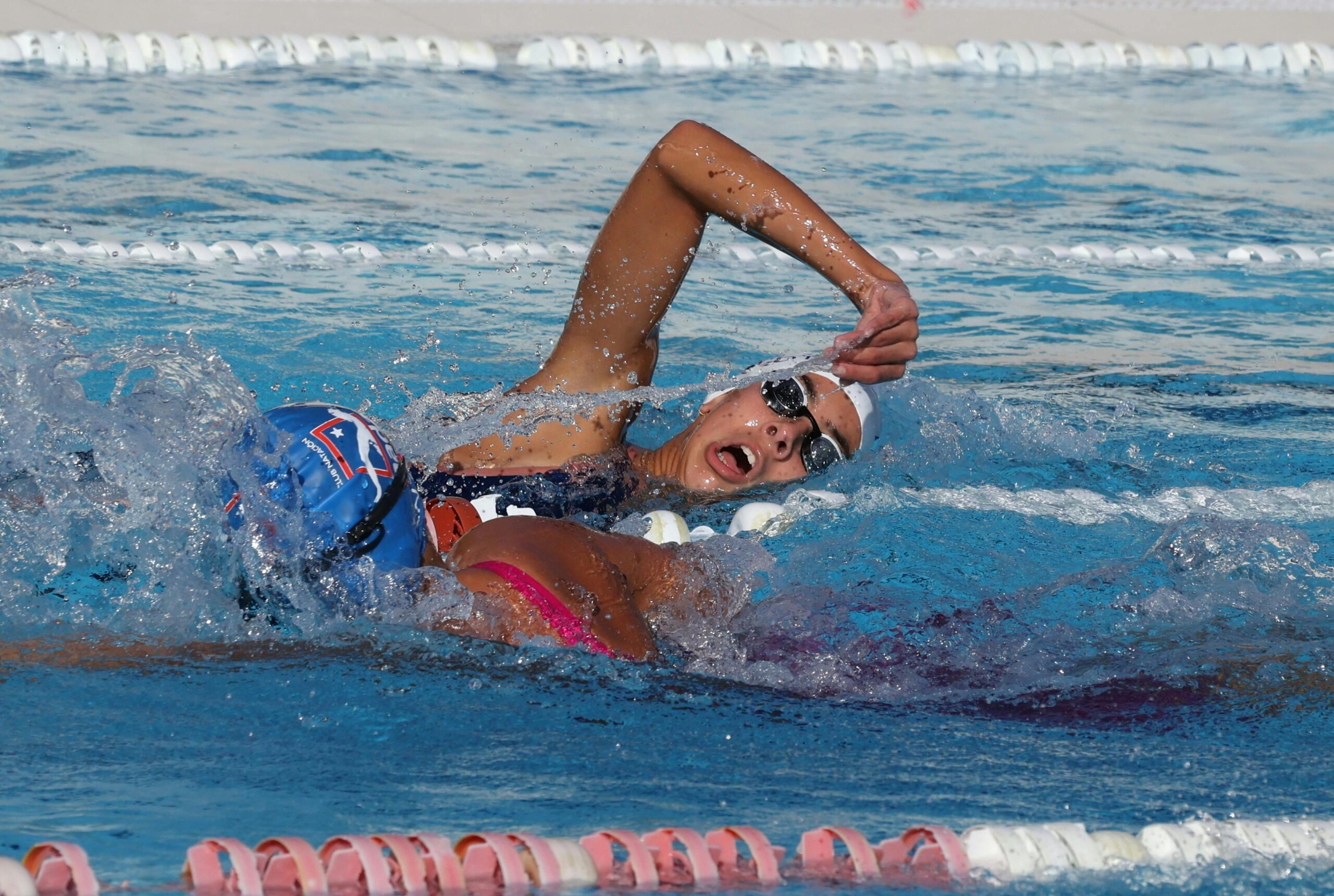
The pathway to peak swimming performance and endurance isn’t mysterious or complex—it requires applying proven principles consistently over time. This 4-day balanced training program provides everything necessary to transform your abilities in the pool, whether you’re pursuing competitive goals or personal fitness achievements.
By addressing aerobic endurance, anaerobic power, technical refinement, and recovery within a sustainable weekly structure, you create optimal conditions for continuous improvement. The balance between training stress and recovery enables adaptation rather than simply accumulating fatigue.
Start implementing this program immediately, track your progress through objective measures, fuel your body appropriately, and trust the process. Within weeks, you’ll notice improved endurance during longer swims, faster times at threshold efforts, and enhanced efficiency requiring fewer strokes. Within months, your capabilities in the water will reflect the dedication you’ve invested in structured, balanced training.
Your transformation begins with the decision to follow a proven system rather than swimming aimlessly. Make that commitment today, embrace the journey with patience and consistency, and watch as your performance reaches levels you might have thought beyond your reach. The pool awaits, and your best swimming lies ahead.