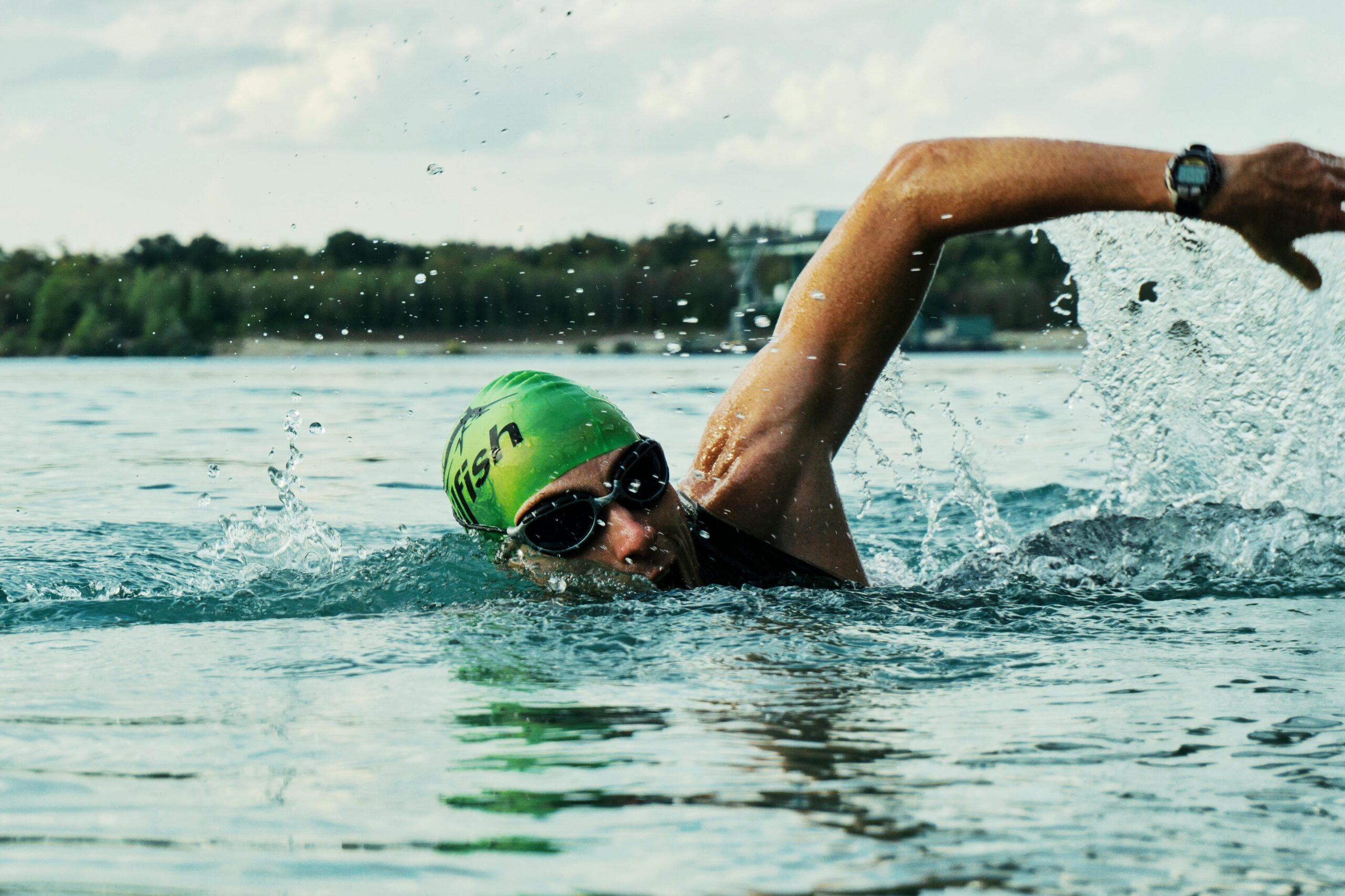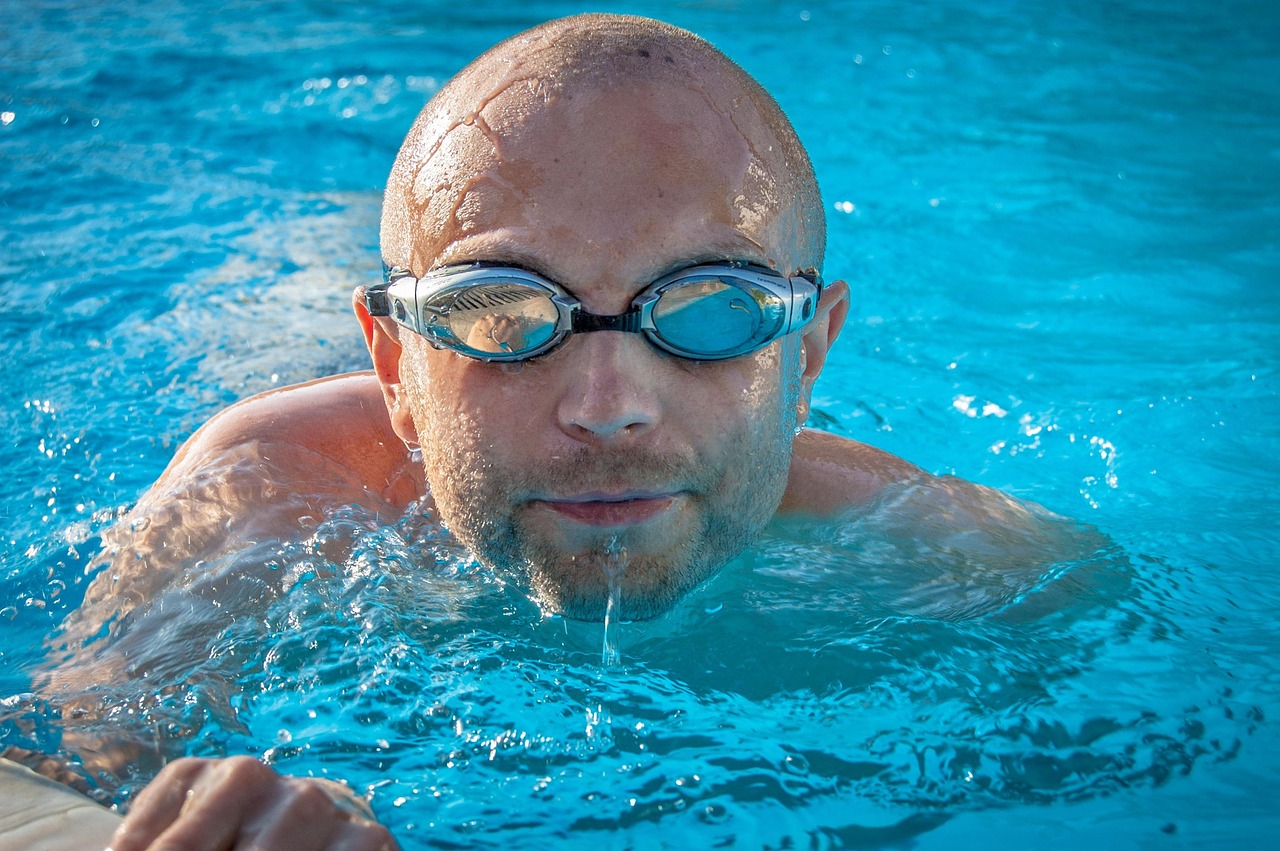
Swimming offers one of the most complete full-body workouts available, combining cardiovascular endurance, muscle strengthening, and low-impact movement. Whether you’re looking to improve your fitness, build confidence in the water, or simply enjoy a refreshing new activity, a structured swim plan can transform your experience from intimidating to exhilarating.

For many beginners, the pool can feel like unfamiliar territory filled with uncertainty about technique, breathing, and endurance. The good news is that with the right approach, anyone can develop swimming skills while having fun and getting fit. A well-designed 3-day swim plan provides the perfect balance between challenge and recovery, allowing your body to adapt while preventing burnout or overtraining.
Why Swimming Is the Perfect Fitness Choice for Beginners 🏊♀️
Swimming stands out among exercise options for several compelling reasons. The water provides natural resistance to every movement, creating an effective strength-building environment without the need for weights or equipment. At the same time, the buoyancy of water supports your body weight, reducing stress on joints, bones, and connective tissues.
This unique combination makes swimming ideal for people of all fitness levels, ages, and body types. Unlike high-impact activities like running or jumping exercises, swimming allows you to work intensely without the wear and tear that often leads to injuries. The cooling effect of water also helps regulate body temperature, making workouts feel less exhausting even as you build serious endurance.
Beyond the physical benefits, swimming offers remarkable mental health advantages. The rhythmic nature of strokes combined with controlled breathing creates a meditative quality that reduces stress and anxiety. Many swimmers describe their pool time as moving meditation, where worries dissolve and mental clarity emerges.
Understanding the 3-Day Training Philosophy
A three-day-per-week swimming schedule represents the sweet spot for beginners building both confidence and endurance. This frequency provides sufficient stimulus for adaptation while allowing adequate recovery time between sessions. Your muscles, cardiovascular system, and nervous system all need time to process the training stimulus and grow stronger.
Training too frequently as a beginner often leads to exhaustion, poor technique development, and increased injury risk. Conversely, swimming only once weekly doesn’t provide enough consistency to build skills or fitness effectively. The 3-day approach strikes an ideal balance that supports steady, sustainable progress.
This schedule also fits realistically into most people’s lives. Whether you’re working full-time, managing family responsibilities, or juggling multiple commitments, finding three sessions per week is achievable without overwhelming your schedule. The key is treating these sessions as non-negotiable appointments with yourself and your health.
Week-by-Week Progression for Building Swimming Confidence
Starting any new fitness routine requires a thoughtful progression that respects your current abilities while gently pushing your boundaries. The following framework provides a structured approach to developing swimming skills and endurance over several weeks.
Weeks 1-2: Foundation and Water Comfort
Your first priority is becoming comfortable in the water environment. Many beginners carry tension that makes swimming harder than necessary. These initial sessions focus on relaxation, basic breathing patterns, and simple movements.
Start each session with 5-10 minutes of gentle movement in the shallow end. Walk forward, backward, and sideways through the water, feeling the resistance. Practice submerging your face and exhaling underwater—a fundamental skill many overlook. Spend time floating on your front and back, discovering how your body naturally wants to position itself in water.
During these weeks, your actual swimming might consist of short 25-meter (or yard) lengths with plenty of rest between. Focus on one stroke, typically freestyle, and don’t worry about speed or distance. Quality of movement matters far more than quantity at this stage.
Weeks 3-4: Building Basic Endurance
Once you’ve established comfort in the water, begin extending your continuous swimming time. Instead of single lengths with long rests, try swimming two lengths before resting. Gradually build toward swimming for 5-10 minutes continuously, even if moving slowly.
Introduce structured intervals: swim one length at a comfortable pace, rest for 30-60 seconds, then repeat. Aim to complete 8-12 repetitions per session. This interval approach builds endurance more effectively than trying to swim continuously beyond your current capacity.
Pay attention to your breathing rhythm. Many beginners hold their breath, which creates tension and limits endurance. Practice exhaling steadily underwater and inhaling quickly when your mouth clears the surface. This rhythmic breathing becomes the foundation for all future swimming development.
Weeks 5-6: Expanding Capacity and Introducing Variety
By now, swimming should feel more natural, and you’re ready to increase volume and add variety. Your sessions might include 15-20 minutes of actual swimming time, broken into manageable sets with rest intervals.
Consider introducing a second stroke, such as backstroke or breaststroke. Different strokes work muscles in varied ways and prevent the repetitive strain that can develop from doing only one movement pattern. They also keep workouts interesting and engaging.
Begin incorporating simple drills that improve technique. Kick-only lengths with a kickboard help strengthen your legs and improve body position. Pull-only lengths with a pull buoy (foam device placed between your legs) develop upper body strength and stroke mechanics.
Sample 3-Day Beginner Swim Plan Structure 📋
Here’s a practical weekly template you can adapt based on your current fitness level and available time. Each session should last 30-45 minutes total, including warm-up, main set, and cool-down.
Day 1: Endurance Focus
This session builds your aerobic capacity through steady, moderate-intensity swimming. Begin with a 5-minute warm-up of easy swimming and dynamic stretching in the water. The main set consists of interval training: swim 50 meters (two lengths of a standard pool) at a comfortable pace, rest 30 seconds, and repeat 6-10 times. Finish with a 5-minute cool-down of very easy swimming and stretching.
The goal is maintaining consistent effort throughout all intervals. If you’re struggling significantly on the final repetitions, reduce the number of intervals or increase rest time. Consistency matters more than pushing beyond your current capacity.
Day 2: Technique and Skills Development
Mid-week sessions focus on improving movement quality and learning new skills. After your warm-up, dedicate time to specific drills. Practice breathing on both sides (bilateral breathing) to develop balanced stroke mechanics. Work on body rotation, which provides power and reduces shoulder strain.
Include 4-6 lengths of kick-only practice, focusing on small, quick kicks from the hips rather than large movements from the knees. Add 4-6 lengths of pull-only swimming, concentrating on hand entry, catch, and pull-through phases of your stroke. Between drill sets, swim complete strokes to integrate the movements.
Day 3: Distance and Mental Toughness
End your week with a session that tests your developing endurance and mental resilience. After warming up, attempt your longest continuous swim of the week. This might be 200-400 meters without stopping, depending on your current ability.
The pace should be sustainable—you should be able to maintain it theoretically for much longer, even if you’re choosing to stop at a predetermined distance. This teaches pacing judgment and builds confidence in your endurance capacity. Follow this main set with some easy recovery swimming and perhaps a different stroke for variety.
Essential Technique Tips for Swimming Success 💡
Proper technique makes swimming easier, more efficient, and significantly more enjoyable. These fundamental principles apply regardless of your experience level.
Body Position and Alignment
Maintaining a horizontal, streamlined position in the water dramatically reduces drag. Think about pressing your chest slightly downward, which naturally lifts your hips. Keep your head in a neutral position with your gaze directed toward the bottom of the pool, not forward. Looking ahead lifts your head, which drops your hips and creates drag.
Your core muscles play a crucial role in maintaining alignment. Engage your abdominals gently throughout each stroke, creating a stable platform from which your arms and legs can work efficiently.
Breathing Mechanics
Many beginners struggle with breathing more than any other aspect of swimming. The key is establishing a rhythm: exhale steadily and completely while your face is underwater, then turn your head to the side (not lifting it up) to inhale quickly when your mouth clears the surface.
Practice breathing every three strokes, which naturally alternates the side you breathe on. This bilateral breathing promotes balanced stroke development and makes you adaptable to different conditions. If every three strokes feels too challenging initially, breathe every two strokes until your fitness improves.
Arm Movement and Pull Technique
Efficient freestyle arm movement follows a specific pattern. Your hand should enter the water in front of your shoulder, fingers first, with minimal splash. Extend your arm forward underwater, then press downward and backward, pulling water toward your feet. Your elbow should bend during the pull phase, creating a strong lever.
Recover your arm by lifting your elbow first, keeping your hand and forearm relaxed. The recovery happens above water, giving those muscles a brief rest before the next stroke. Focus on a long, reaching stroke rather than rapid turnover, especially as a beginner.
Building Mental Confidence in the Water 🧠
Physical skills represent only part of becoming a confident swimmer. Mental barriers often limit progress more than physical limitations. Many adults carry fears or negative experiences from childhood that create anxiety around water and swimming.
Start by acknowledging any discomfort without judgment. It’s completely normal to feel uncertain in a new environment. Progress happens when you consistently face these feelings rather than avoiding them. Each session where you show up despite nervousness builds mental resilience.
Set small, achievable goals for each workout. Rather than focusing on swimming a certain distance, aim for mastering one technical element or simply completing the planned session. These micro-victories accumulate, creating genuine confidence based on actual accomplishment.
Celebrate progress in all its forms. Swimming one more length than last week, breathing more comfortably, or feeling more relaxed in the water all represent significant achievements. Keep a simple log of your sessions, noting what went well and what you’d like to improve.
Equipment Essentials for Beginner Swimmers
You don’t need expensive gear to start swimming, but a few key items enhance comfort and safety. A well-fitting swimsuit designed for lap swimming (not fashion or beach wear) provides freedom of movement without distraction. Goggles protect your eyes from chlorine and allow clear underwater vision—essential for maintaining proper body position and navigating the pool.
A swim cap keeps hair out of your face and protects it from chlorine damage. Many pools require caps, especially for people with longer hair. Caps also improve hydrodynamics slightly and help keep you warmer in cooler water.
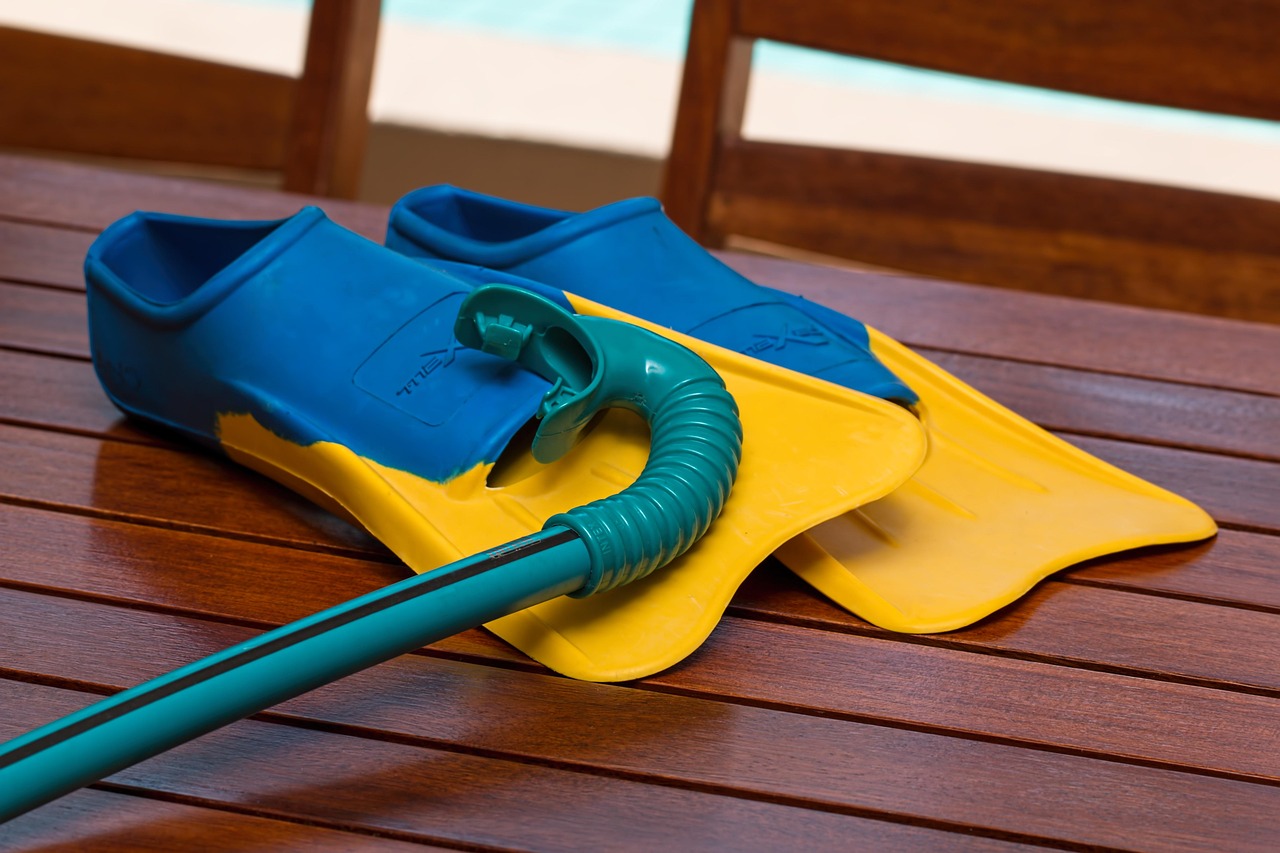
Training aids like kickboards and pull buoys support skill development. A kickboard isolates your legs, allowing focused work on kick technique and lower body strength. Pull buoys go between your thighs, providing flotation so you can concentrate on arm movements and upper body technique without worrying about kicking.
Tracking Progress and Staying Motivated 📈
Monitoring your swimming journey helps maintain motivation and provides objective evidence of improvement. Simple metrics like total distance per session, number of continuous lengths, or time spent swimming all show progress over weeks and months.
Many swimmers find that tracking apps designed for pool workouts help maintain consistency and motivation. These tools can log distances, calculate calories burned, and show progress trends over time.
Nutrition and Recovery for Swimming Performance
Swimming burns significant calories—often more than people expect due to the full-body engagement and thermoregulation demands. Proper nutrition supports your training and recovery. Eat a light snack containing carbohydrates and protein 1-2 hours before swimming to ensure adequate energy. Post-workout nutrition within 30-60 minutes helps replenish glycogen stores and supports muscle recovery.
Hydration remains important despite being surrounded by water. You do sweat while swimming, and the climate-controlled environment of most indoor pools can increase fluid loss. Drink water before, during (if your session exceeds 45 minutes), and after swimming.
Sleep quality significantly impacts recovery and performance improvement. Swimming can be tiring, especially when first starting, so listen to your body’s need for rest. Most adaptations happen during recovery, not during the workout itself.
Making Swimming a Sustainable Habit
The most effective workout program is the one you’ll actually follow consistently. Swimming three days weekly requires planning and commitment, but several strategies increase your likelihood of long-term success.
Schedule your swim sessions like important appointments. Choose specific days and times that realistically fit your routine. Morning swims offer the advantage of completion before daily obligations interfere. Evening sessions can provide stress relief after work. Find what works for your lifestyle and personality.
Consider finding a swim buddy or joining a masters swimming group designed for adults of all abilities. Social connections make workouts more enjoyable and provide accountability. Even if you don’t swim with others constantly, simply seeing familiar faces at the pool creates a sense of community.
Vary your routine enough to maintain interest without abandoning structure. Try different strokes, experiment with various interval patterns, or occasionally swim outdoors if available. Small variations prevent boredom while maintaining the core framework of your 3-day plan.
Overcoming Common Beginner Challenges
Every new swimmer faces obstacles. Being prepared for common challenges helps you navigate them effectively rather than becoming discouraged.
Muscle soreness, especially in shoulders, back, and core, is normal when starting. This reflects your body adapting to new movement patterns. Distinguish between productive training soreness and pain indicating potential injury. Soreness should diminish within 24-48 hours and improve with subsequent workouts as your body adapts.
Breathing difficulties challenge most beginners. If you consistently feel breathless, you’re likely swimming too fast or holding your breath. Slow down, focus on exhaling completely underwater, and be patient with the learning process. Breathing coordination improves with practice more than any other technique element.
Time management concerns often derail good intentions. Remember that even 30 minutes of swimming provides substantial benefits. You don’t need hour-long sessions to improve. Shorter, consistent workouts outperform longer, sporadic ones.
Embracing the Journey with Patience and Joy 🌊
Learning to swim well takes time, and everyone progresses at their own pace. Comparing yourself to experienced swimmers or expecting rapid transformation sets unrealistic expectations. Instead, embrace each session as an opportunity to move, breathe, and enjoy the unique sensation of being in water.
Swimming offers lifelong benefits that extend far beyond physical fitness. The skills you develop, confidence you build, and joy you discover in the water enrich your life in unexpected ways. Many people who start swimming to improve fitness find themselves passionate about the sport itself, looking forward to pool time as the highlight of their day.
Your 3-day swim plan provides the structure to transform from uncertain beginner to confident swimmer. Stay consistent, trust the process, and remember that every expert swimmer once struggled with the basics. The water awaits, ready to support your fitness journey with every stroke.