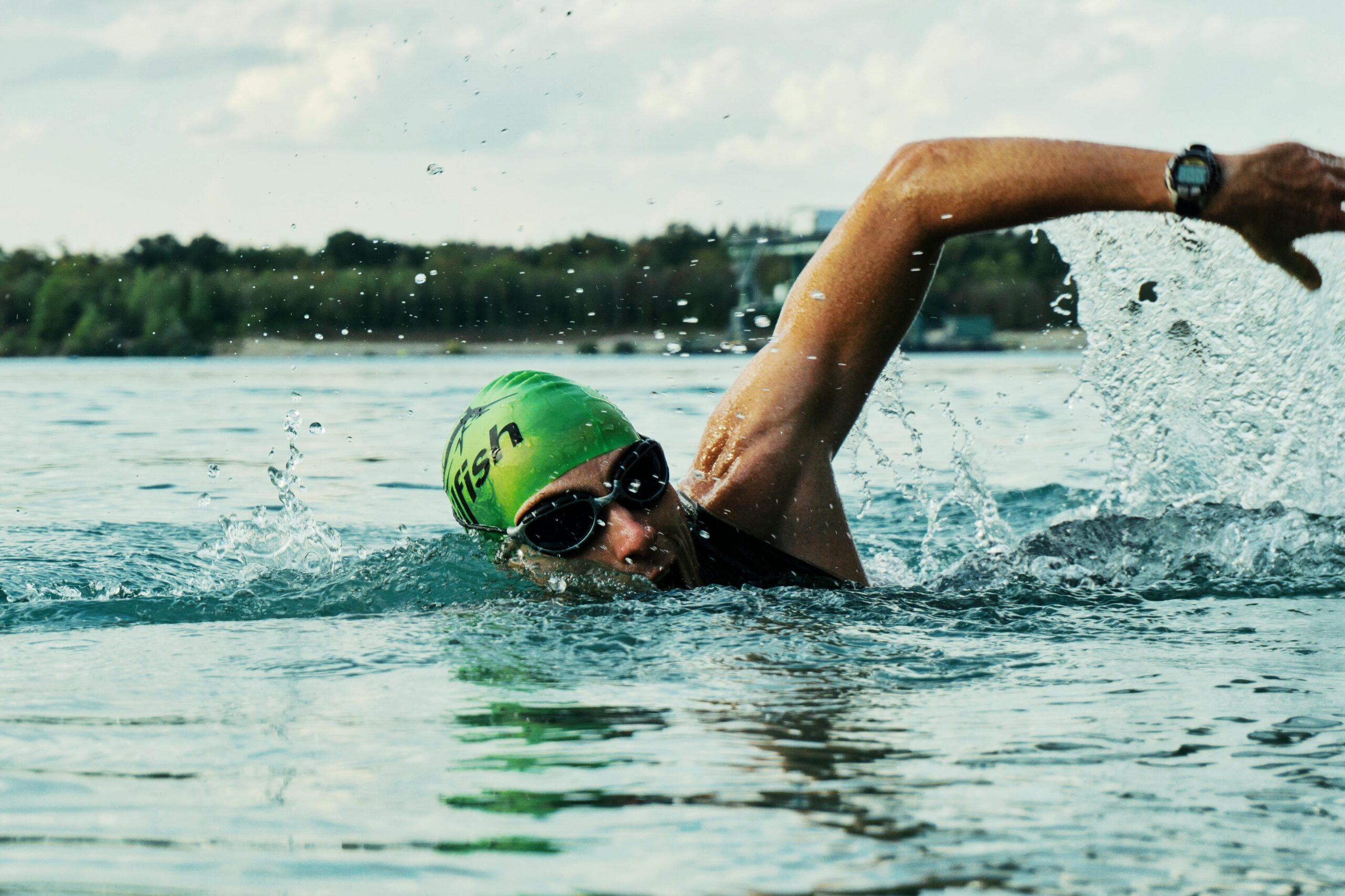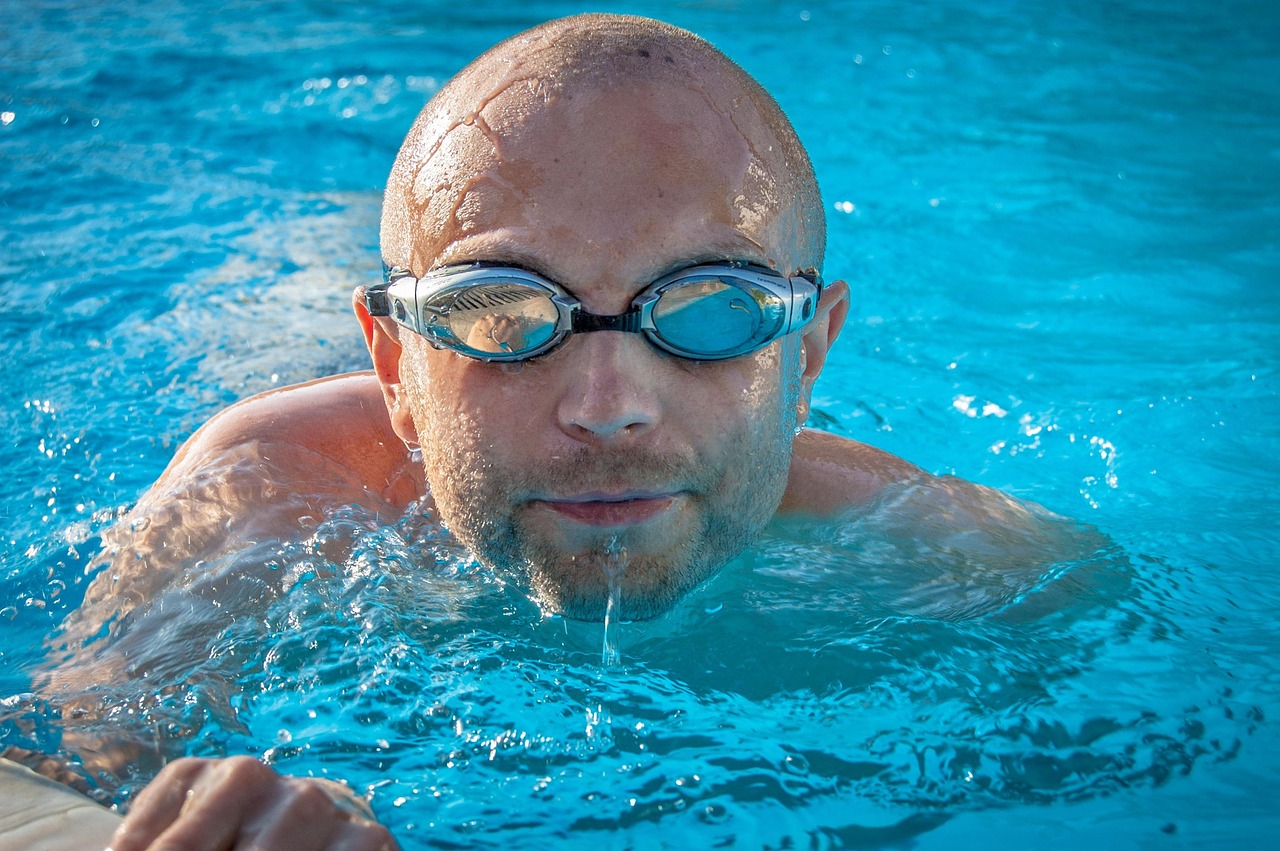
Swimming efficiently doesn’t require endless hours in the pool. With the right technique drills, even the busiest swimmers can see dramatic improvements in speed, endurance, and overall performance.

Time is precious, and for many swimmers juggling work, family, and training, every minute counts. The good news? Strategic, focused drill work can deliver remarkable results without demanding hours of your day. By targeting specific aspects of your stroke mechanics, you can turbocharge your swimming performance in surprisingly short sessions.
Why Technique Drills Matter More Than You Think 🎯
Many swimmers mistakenly believe that swimming faster simply means swimming harder. This approach often leads to burnout, injury, and frustration. The reality is that technique efficiency trumps brute force every time. When your body moves through water with proper mechanics, you reduce drag, maximize propulsion, and conserve precious energy.
Consider this: improving your technique by just 5% can translate to swimming the same pace with significantly less effort, or swimming faster without increasing your energy expenditure. For time-crunched swimmers, this efficiency gain is pure gold. Instead of grinding out endless laps, you can focus on quality movements that rewire your muscle memory and create lasting improvements.
Research consistently shows that swimmers who dedicate even 15-20 minutes of focused drill work three times weekly see better progress than those who simply accumulate yardage without purpose. The key lies in selecting drills that address your specific weaknesses and practicing them with intentionality.
The Foundation: Body Position and Streamline Drills
Everything in swimming starts with body position. If you’re not horizontal in the water, you’re essentially swimming uphill. These foundational drills take minimal time but deliver maximum impact on your overall swimming efficiency.
The Superman Glide ⚡
Push off the wall with arms extended overhead, one hand stacked on top of the other. Keep your head neutral, looking at the bottom of the pool, with your core engaged and legs together. Hold this position as long as possible, focusing on feeling the water support your body. This drill teaches proper body alignment and helps you understand what true streamline feels like.
Spend just 5 minutes at the start of each session doing 4-6 repetitions, resting between each glide. Notice how small adjustments in head position or core tension affect how far you glide. The swimmers who master this fundamental position immediately gain an advantage in every stroke.
Vertical Kicking
In deep water, position yourself vertically with hands above the surface. Kick to keep your head and shoulders above water for 20-30 seconds. This drill strengthens your kick while teaching proper body tension and positioning. It’s remarkably effective and requires no equipment—just a few minutes of intense focus.
Perform 3-4 sets of 30 seconds with 30 seconds rest between each. You’ll quickly discover whether your kick generates actual propulsion or merely creates drag. This awareness alone will transform how you use your legs while swimming.
Freestyle Technique Drills That Deliver Results Fast 🏊
Freestyle is the fastest and most commonly swum stroke, making it the priority for most swimmers. These drills isolate critical components of an efficient freestyle stroke and can be completed in under 20 minutes.
Catch-Up Drill
One arm remains extended forward while the other completes a full stroke cycle. The pulling arm must “catch up” and touch the stationary hand before that arm begins its pull. This drill emphasizes proper extension, catch mechanics, and stroke timing.
Swim 4-6 lengths focusing on a high elbow catch and full extension. Don’t rush—the goal is quality, not speed. Time-crunched swimmers love this drill because it delivers immediate feedback. If your timing is off or your catch is weak, you’ll feel it instantly.
Fist Drill
Swim freestyle with closed fists, forcing your forearms to engage in propulsion. This drill heightens awareness of your entire pulling surface, not just your hands. After swimming with fists, your open-hand swimming will feel remarkably powerful and connected.
Alternate 25 yards fist swimming with 25 yards normal swimming for 200-300 yards total. The contrast between fist and normal swimming creates a neurological pattern that improves your catch position and forearm engagement.
Single Arm Freestyle
Keep one arm extended forward while the other arm performs the entire stroke cycle. This drill isolates each arm, revealing asymmetries and weaknesses. It also improves body rotation and breathing mechanics.
Perform 4 lengths per arm, focusing on rotating your body as one unit and maintaining balance. Many swimmers discover they have a significantly weaker side—awareness that allows for targeted improvement.
Breathing Mechanics: The Often-Overlooked Game-Changer 💨
Poor breathing technique sabotages more swimmers than almost any other technical flaw. When you lift your head too high, drop your opposite arm, or hold your breath, you create drag and fatigue rapidly. These quick drills address breathing efficiency.
Side-Kick Drill
Kick on your side with bottom arm extended, top arm at your side, rotating your head to breathe without lifting. This position teaches proper breathing alignment and body rotation. Your head should rotate with your body, not lift independently.
Practice 4 lengths per side, taking a breath every 3-5 kicks. Focus on keeping one goggle in the water while breathing. This drill takes just minutes but transforms breathing mechanics fundamentally.
Hypoxic Breathing Patterns
Vary your breathing patterns—breathe every 3, 5, or 7 strokes instead of every 2. This builds CO2 tolerance and encourages bilateral breathing. Even more importantly, it forces you to exhale completely underwater, preventing the breath-holding that creates tension and fatigue.
Dedicate one set of 200-300 yards to breathing pattern work. Alternate between different patterns every 50 yards. The physiological and technical benefits compound quickly with consistent practice.
Quick Kick Drills for Propulsion and Balance ⚙️
A strong, efficient kick provides balance, propulsion, and body position. These drills maximize kick effectiveness without requiring extended kick sets that many swimmers find tedious.
Flutter Kick on Back with Board
Hold a kickboard on your chest with arms crossed over it. Kick on your back, keeping your hips high and toes pointed. This position allows you to see your kick and ensure you’re kicking from the hips with minimal knee bend.
Just 100-200 yards of this drill provides remarkable feedback. If your knees break the surface excessively, you’ll see it immediately and can self-correct.
Vertical Kick with Variations
Return to vertical kicking but add challenges: hands on head, hands above water, or alternating between easy and sprint intensity. These variations build kick strength and endurance rapidly.
Perform 6-8 intervals of 20 seconds with 20 seconds rest. This totals just 4-5 minutes but delivers a workout that strengthens your kick substantially.
Pull Drills for Upper Body Power and Efficiency 💪
Your pull generates most of your propulsion. These drills refine your catch, pull-through, and recovery mechanics efficiently.
Fingertip Drag Drill
During the recovery phase, drag your fingertips along the water surface. This forces a high elbow recovery and prevents overreaching. The drill also promotes a relaxed recovery, conserving energy for the power phase of your stroke.
Swim 200-300 yards with exaggerated fingertip drag, then transition to normal swimming while maintaining that high elbow recovery feeling. The contrast creates lasting improvement.
Sculling Drills
Move your hands in figure-eight patterns while horizontal in the water, propelling yourself forward using only hand and forearm pressure. Sculling develops feel for the water and strengthens your catch position.
Spend 5 minutes on various sculling patterns: front scull, middle scull, and back scull. This targeted work improves your water sensitivity dramatically.
Building Your Time-Efficient Practice Session 📅
Knowing effective drills is one thing; organizing them into a coherent practice is another. Here’s how to structure a powerful 45-minute session that delivers maximum technique improvement:
- Warm-up (5 minutes): 200-300 yards easy swimming, focusing on long, smooth strokes
- Streamline work (5 minutes): Superman glides and underwater streamlines off the wall
- Main drill set (25 minutes): Rotate through 3-4 drills targeting your specific needs, 100-200 yards per drill
- Integration swimming (8 minutes): Swim 200-400 yards at moderate pace, focusing on incorporating the drill concepts
- Cool-down (2 minutes): Easy 100 yards, reflecting on what you learned
This structure ensures you address technique systematically while leaving time for integration—where the real learning happens. Your body needs to connect the isolated drill movements with full-stroke swimming.
Tracking Progress Without Obsessing Over Numbers 📊
Time-crunched swimmers need efficient ways to monitor improvement without complex testing protocols. Simple metrics provide powerful feedback.
Count your strokes per length on a specific distance once weekly. Reducing stroke count while maintaining speed indicates improved efficiency. Track how far you glide off the wall—improved streamline shows up here immediately. Notice your perceived exertion at specific paces; technique improvements make swimming feel easier.
Video recording, even just on your phone with a waterproof case, provides invaluable feedback. Film yourself once monthly and compare. The visual progress often reveals improvements you can’t feel.
Common Mistakes That Waste Your Limited Pool Time ⚠️
Even with limited time, swimmers make predictable errors that undermine their practice effectiveness. Avoid these pitfalls to maximize every minute.
First, don’t rush through drills. Swimming drills quickly defeats their purpose. Drills should feel slower and more deliberate than normal swimming. The point is reprogramming movement patterns, which requires focused attention, not speed.
Second, don’t skip the integration phase. Many swimmers drill effectively but never connect those movements to full-stroke swimming. Always include regular swimming after drill work, consciously applying what you practiced.
Third, avoid doing too many different drills in one session. Focusing on 3-4 drills deeply is far more effective than superficially touching on eight different drills. Your nervous system needs repetition to create lasting change.
Adapting Drills to Different Strokes 🦋
While this article emphasizes freestyle, these concepts translate to butterfly, backstroke, and breaststroke with modifications. Time-crunched swimmers often focus primarily on freestyle but can apply similar principles across strokes.
For butterfly, single-arm fly (one arm butterflies while the other stays forward) isolates the pull and teaches proper timing. For backstroke, single-arm backstroke and backstroke with one arm extended develops rotation and catch mechanics. For breaststroke, glide emphasis drills and pull-only drills with a pull buoy refine the crucial timing between pull and kick.
Dedicate one session weekly to non-freestyle strokes if they’re important to your swimming goals. Otherwise, occasional stroke work provides variety and cross-training benefits without diluting your primary focus.
Making Every Second Count: Mindset Matters 🧠
The most critical factor in effective drill work isn’t which drills you choose—it’s the mental focus you bring. Time-crunched swimmers cannot afford distracted practice. Every length must be intentional.
Before each drill, set a specific focus: “This length, I’ll emphasize complete exhalation underwater.” After each length, honestly assess whether you maintained that focus. This mindful approach accelerates learning exponentially compared to mindlessly going through motions.
Quality attention for 30 minutes produces better results than distracted practice for two hours. This reality liberates busy swimmers. You don’t need endless time—you need focused time.
Staying Consistent When Life Gets Chaotic 🔄
The biggest challenge for time-crunched swimmers isn’t finding the perfect workout—it’s maintaining consistency when schedules explode. Three 30-minute sessions weekly deliver more improvement than sporadic 90-minute sessions.
Build flexibility into your approach. Have a 20-minute “minimum viable practice” planned for crazy weeks—perhaps just streamline work, one drill, and integration swimming. This prevents the all-or-nothing thinking that causes swimmers to skip practice entirely when they can’t do their ideal session.
Consider early morning or lunch swimming when possible. These times often face fewer schedule conflicts than evenings. Even one morning session weekly provides consistency that compounds over months.
Amplifying Results Through Recovery and Cross-Training 🌟
Technique improvement happens during recovery, not just during practice. Your nervous system integrates new movement patterns while you rest. For time-crunched swimmers trying to maximize limited pool time, adequate recovery is non-negotiable.
Dry-land visualization accelerates technique development. Spend 5 minutes before bed visualizing perfect stroke mechanics. Research shows mental practice activates similar neural pathways as physical practice. This zero-time-cost strategy amplifies your limited pool work.
Complementary activities like yoga, Pilates, or strength training support swimming technique by developing body awareness, core strength, and mobility. Even one 20-minute session weekly provides substantial benefits.
Your Technique Transformation Starts Today 🚀
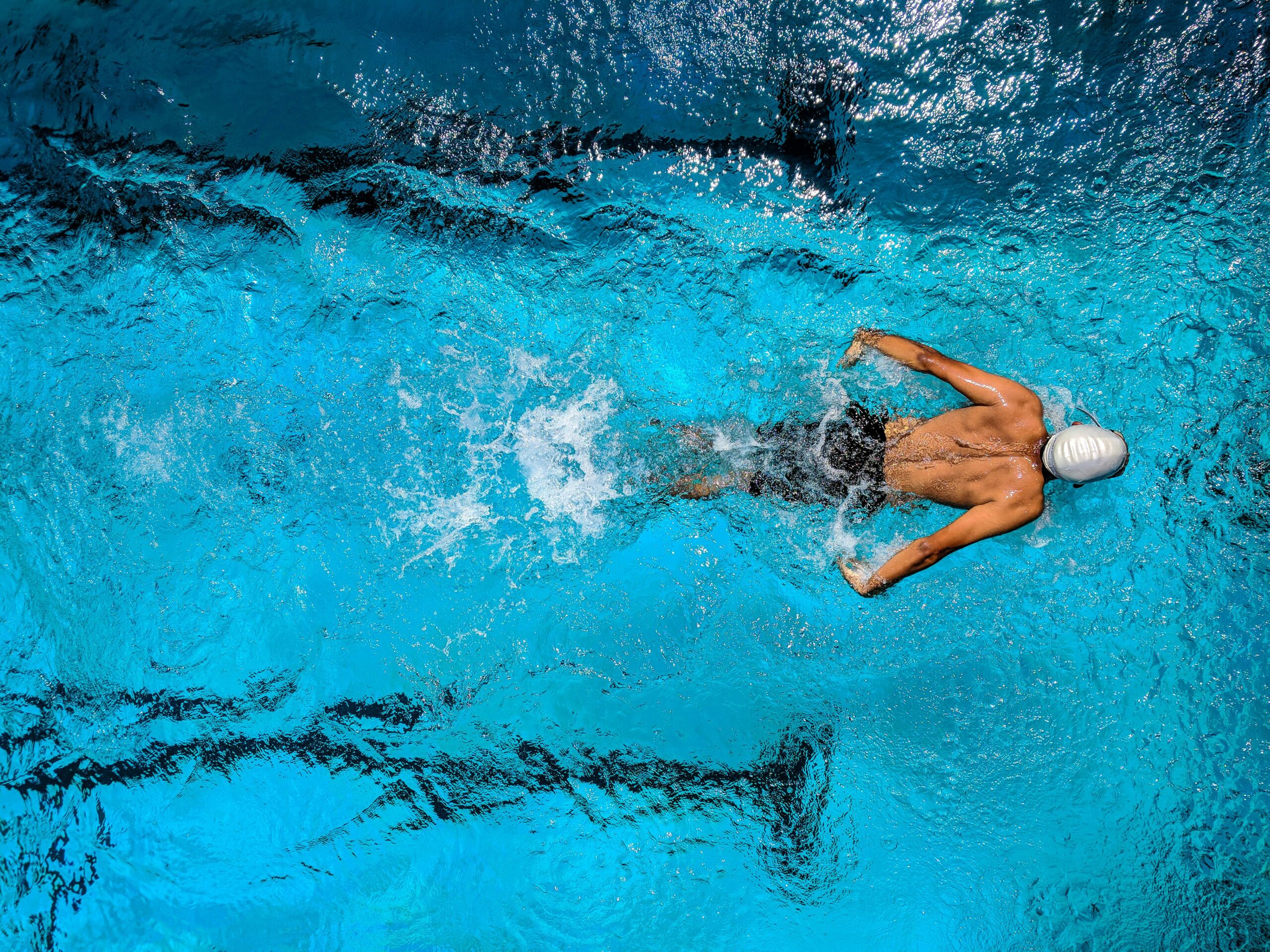
Efficient swimming technique isn’t reserved for athletes with unlimited training time. By focusing on high-impact drills, practicing with intention, and maintaining consistency, time-crunched swimmers can achieve remarkable improvements. The drills outlined here target the fundamental elements that determine swimming efficiency: body position, stroke mechanics, breathing, and propulsion.
Start with just two or three drills that address your biggest limiters. Practice them consistently for three weeks, and you’ll notice tangible improvements. As these movements become automatic, layer in additional drills to continue your progression.
Remember, swimming fast isn’t about training harder—it’s about swimming smarter. Every minute you invest in quality technique work pays dividends in speed, efficiency, and enjoyment. Your transformation doesn’t require more time; it requires better use of the time you have. Jump in, focus intensely, and watch your swimming reach new levels you didn’t think possible with your busy schedule.